The Zone of Interest
"Evil is a well-kept garden."
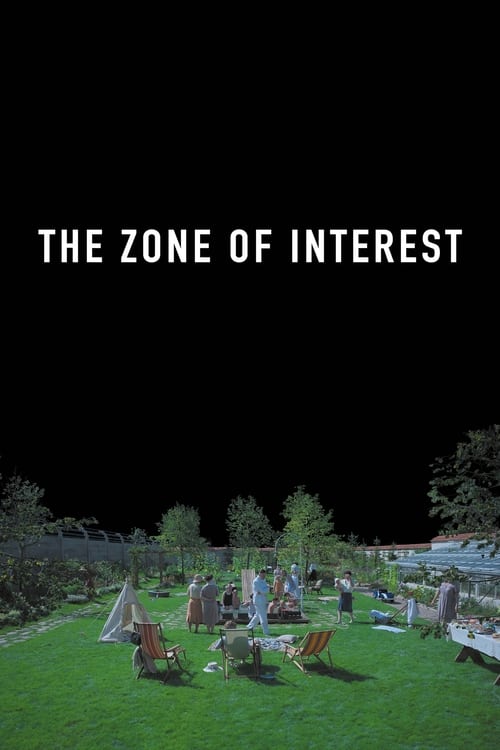
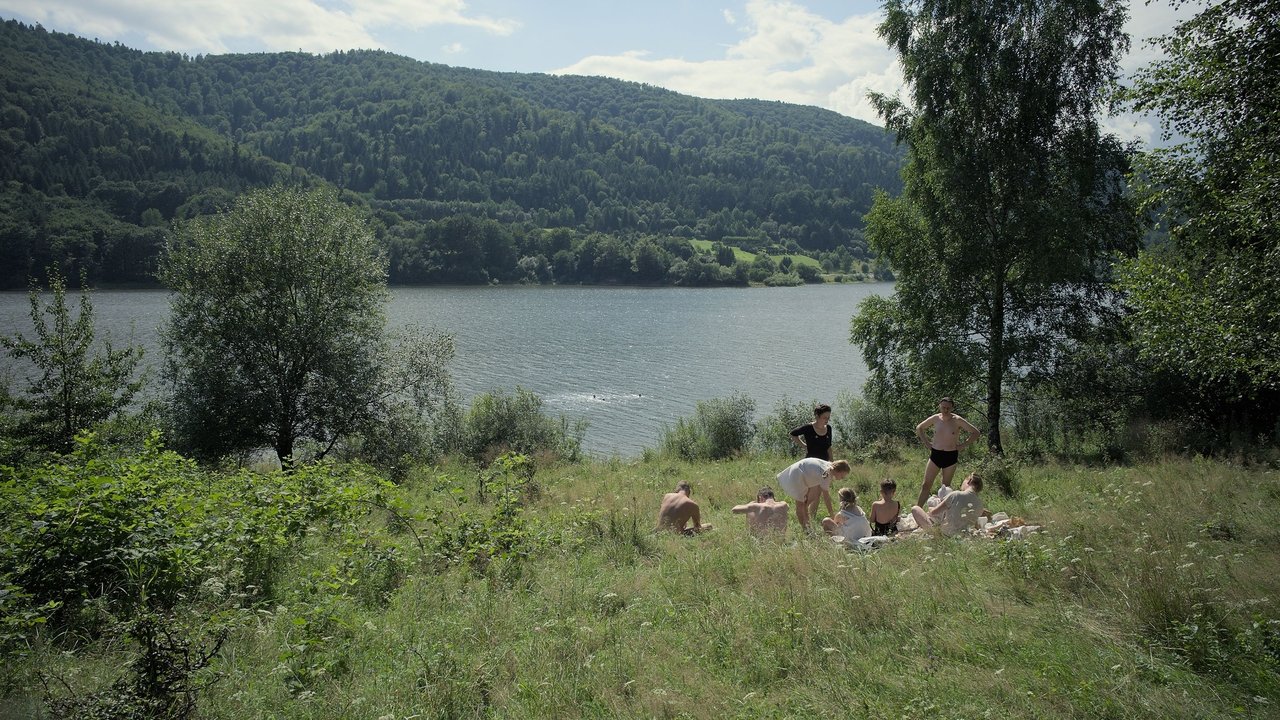
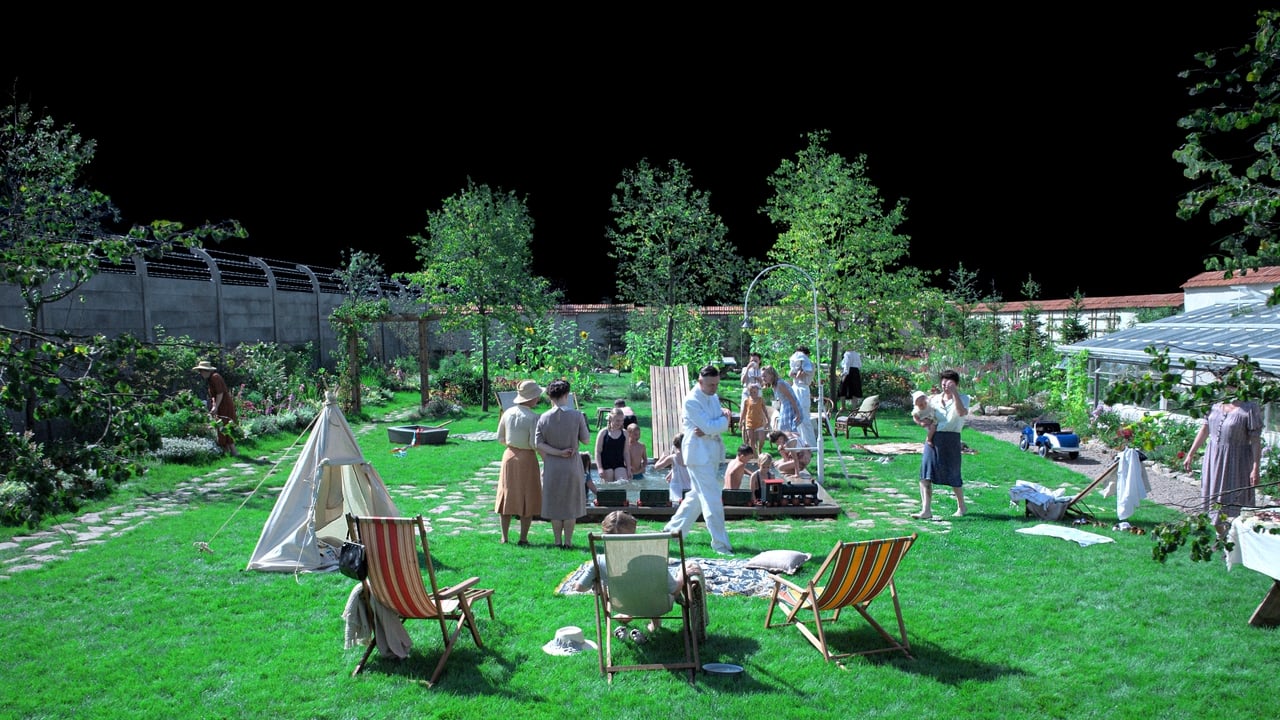
The screen is black for a long, uncomfortable time. You hear a low, rhythmic thrum—not quite music, but a vibration that seems to rattle your teeth. It’s the sound of a machine that never stops. When the image finally arrives, it’s a sun-drenched riverbank where a family is picnicking. It looks like a postcard from a mid-century vacation, but the air feels wrong. There’s a wall in the background topped with barbed wire, and beyond that wall, there is a constant, low-frequency roar of industrial death.
I watched this on my laptop late at night, and halfway through, my cat knocked a heavy metal pen off my desk. The sharp clack against the floor made me nearly jump out of my skin, purely because Jonathan Glazer (the genius behind Under the Skin) spends the entire runtime tuning your ears to the frequency of terror.
The Sound of the Unseen
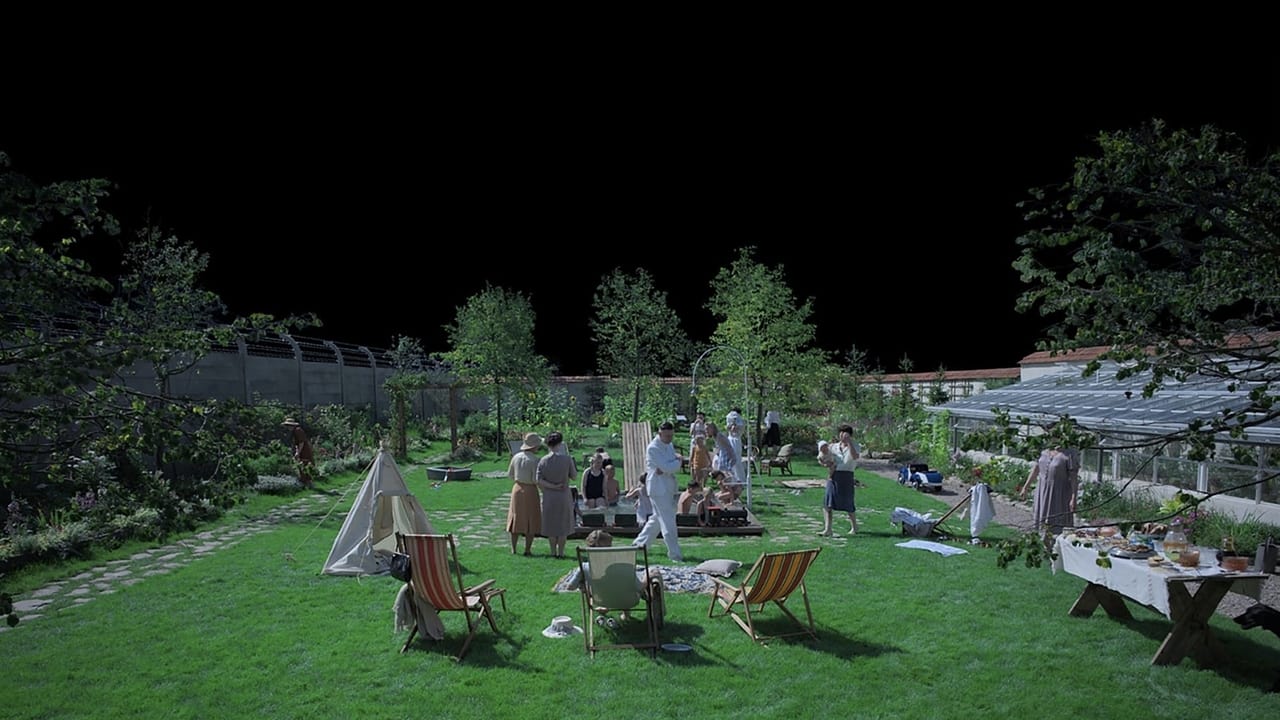
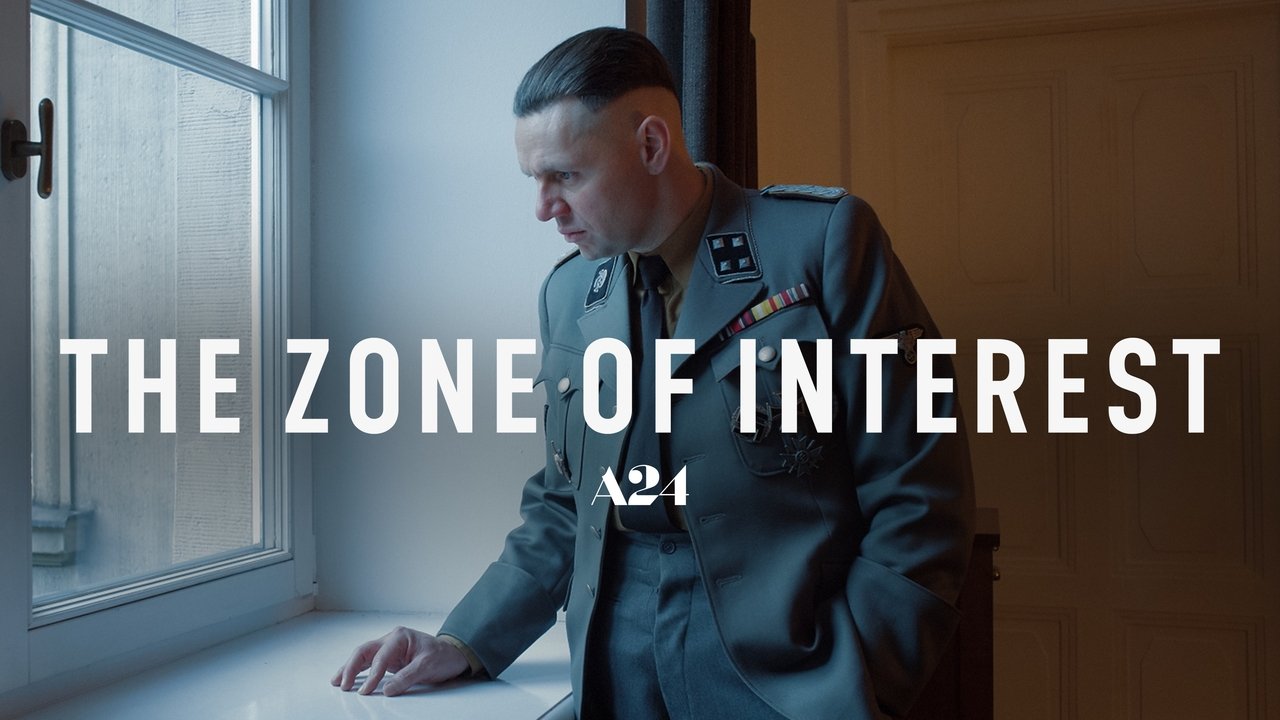
The Zone of Interest is a war movie that refuses to show you the war. Instead, it’s a domestic drama about a couple who have achieved their "dream life." Christian Friedel plays Rudolf Höss, the commandant of Auschwitz, and Sandra Hüller (who was equally incredible in Anatomy of a Fall) plays his wife, Hedwig. They have a beautiful home, five children, a lush garden, and a swimming pool. The catch? Their backyard shares a wall with the most notorious death camp in history.
Glazer’s brilliance—and I use that word sparingly—is in the audio-visual disconnect. While the Höss family discusses garden mulch or what to have for dinner, the soundscape (meticulously crafted by Johnnie Burn and featuring a haunting score by Mica Levi) is a nightmare. You hear distant screams, muffled gunshots, and the relentless chugging of the crematoriums. You don't see the horror, but your brain fills in the gaps. It’s a film that demands your active participation, forcing you to realize that these people aren't monsters with horns; they are middle managers who have simply decided that the screaming next door is just background noise.
Domesticity as a Weapon
Sandra Hüller gives a performance that is chilling precisely because it’s so mundane. She isn't twirling a mustache; she’s showing off her "Paradise Garden" to her mother. She’s trying on a fur coat that was taken from a woman who was gassed hours earlier, casually finding a lipstick in the pocket and applying it. She treats genocide like a home renovation project.
The way Glazer filmed this is fascinating. He used a "hidden camera" approach, rigging the house with up to ten cameras at once and putting the crew in another building. The actors were often left alone to live in the space, which gives the movements a flat, surveillance-like reality. There are no dramatic close-ups or swelling orchestras to tell you how to feel. The camera just sits there, impassive, watching a man wash the ash off his boots after a long day at "the office."
In our current era of "doomscrolling" and the way we can scroll past a tragedy to look at a recipe for sourdough, this film feels dangerously relevant. It’s a study in the human capacity to compartmentalize. We see Rudolf sitting in his office, lit by a single lamp, designing a more "efficient" circular furnace as if he were designing a more aerodynamic toaster. The banality isn't just boring; it’s a specialized form of soul-rot.
A Ghostly Mirror
There are sequences in the film shot with thermal imaging cameras—showing a young girl hiding apples for the prisoners at night—that look like something out of a dream or a digital ghost story. These moments provide the only "light" in the film, literally and figuratively, but they are framed with such cold, clinical precision that they never feel like easy sentimentality.
The ending of the film is one of the most jarring things I’ve seen in years. It jumps through time in a way that left me staring at the credits in total silence for ten minutes. It’s a reminder that history isn't just something that happened; it’s something that is preserved, curated, and occasionally ignored. The ending isn't a redemption; it’s a dry heave of the soul.
If you’re looking for a traditional "Holocaust movie" where a hero saves the day, this isn't it. This is an immersive experience in the architecture of apathy. It’s hard to watch, not because of what’s on screen, but because of what it asks you to acknowledge about your own ability to look away.
The Zone of Interest is a technical marvel that manages to be one of the most "war-like" films ever made without firing a single shot on screen. It’s a masterpiece of restraint and sound design that will haunt your quietest moments. It doesn't just ask us to remember the past; it asks us how much noise we are willing to ignore in our own backyards today. This is essential cinema, even if it leaves you feeling like you need a very long, very hot shower afterward.

Keep Exploring...
-
All Quiet on the Western Front
2022
-
The King
2019
-
13 Hours: The Secret Soldiers of Benghazi
2016
-

Т-34
2018
-
1917
2019
-
Just Mercy
2019
-

The Irishman
2019
-
Killers of the Flower Moon
2023
-

Land of Mine
2015
-
Patriots Day
2016
-

Snowden
2016
-

12 Strong
2018
-

Greyhound
2020
-

The Outpost
2020
-
Emancipation
2022
-
Spartacus
1960
-
Empire of the Sun
1987
-

Hotel Mumbai
2019
-
Jojo Rabbit
2019
-

The Zookeeper's Wife
2017