There's Still Tomorrow
"The morning slap that woke up a nation."
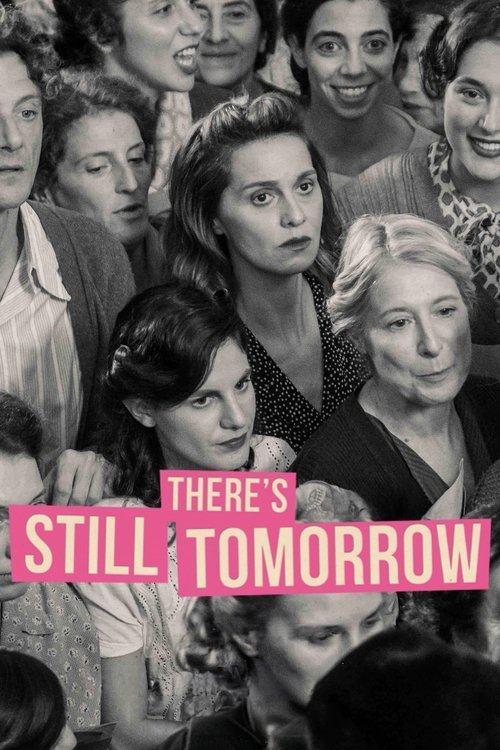
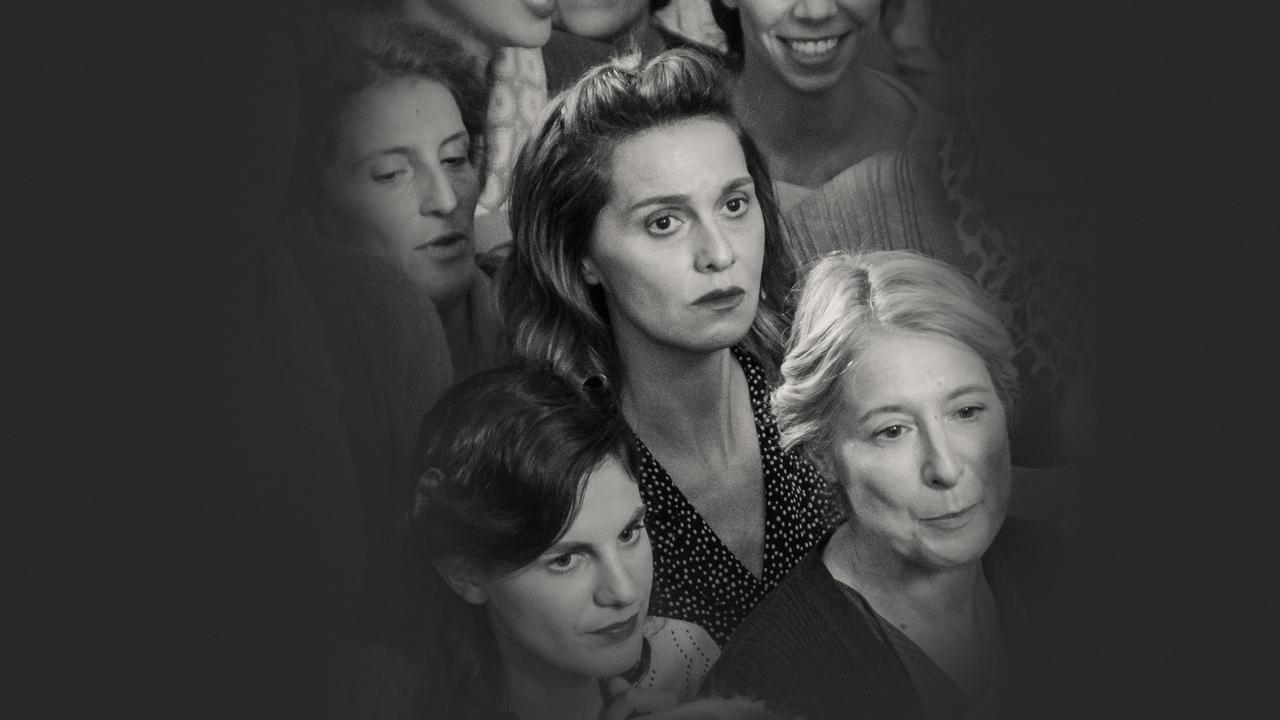
The film begins not with a kiss, but with a crisp, casual backhand to the face. Delia (Paola Cortellesi) wakes up, says "Good morning" to her husband Ivano (Valerio Mastandrea), and he hits her before he’s even fully conscious. It’s a routine. It’s rhythmic. And in the hands of Paola Cortellesi—who not only stars but wrote and directed this juggernaut—it’s the starting gun for one of the most surprising cinematic experiences I’ve had in years.

I actually watched this on a Tuesday afternoon while my neighbor was loudly assembling IKEA furniture in the apartment next door. The rhythmic thwack-thwack-thwack of his rubber mallet weirdly synced up with the domestic percussion of the film, and it made the whole experience feel uncomfortably lived-in.
The Movie That Beat Barbie
To understand There’s Still Tomorrow (C'è ancora domani), you have to understand the context of its 2023 release. In Italy, this black-and-white, post-war period piece didn't just do "well" for an indie film. It became a cultural phenomenon that out-earned Barbie and Oppenheimer at the domestic box office. In an era where we’re told the theatrical experience is dying and only "IP" survives, Cortellesi proved that a black-and-white movie about a 1940s housewife could be the biggest event of the year.
Why did it strike such a massive chord? Because while it looks like a tribute to the Italian Neorealism of the 1940s—think Bicycle Thieves or Rome, Open City—it breathes with a fiercely contemporary lungs. It’s a movie about the "invisible" women of history, the ones who kept the soup hot and the floors scrubbed while being treated like furniture. It arrived in the middle of a heightened European conversation about femicide and patriarchal violence, making a story set 80 years ago feel like it was ripped from today’s headlines.
A Dance of Domestic Dread
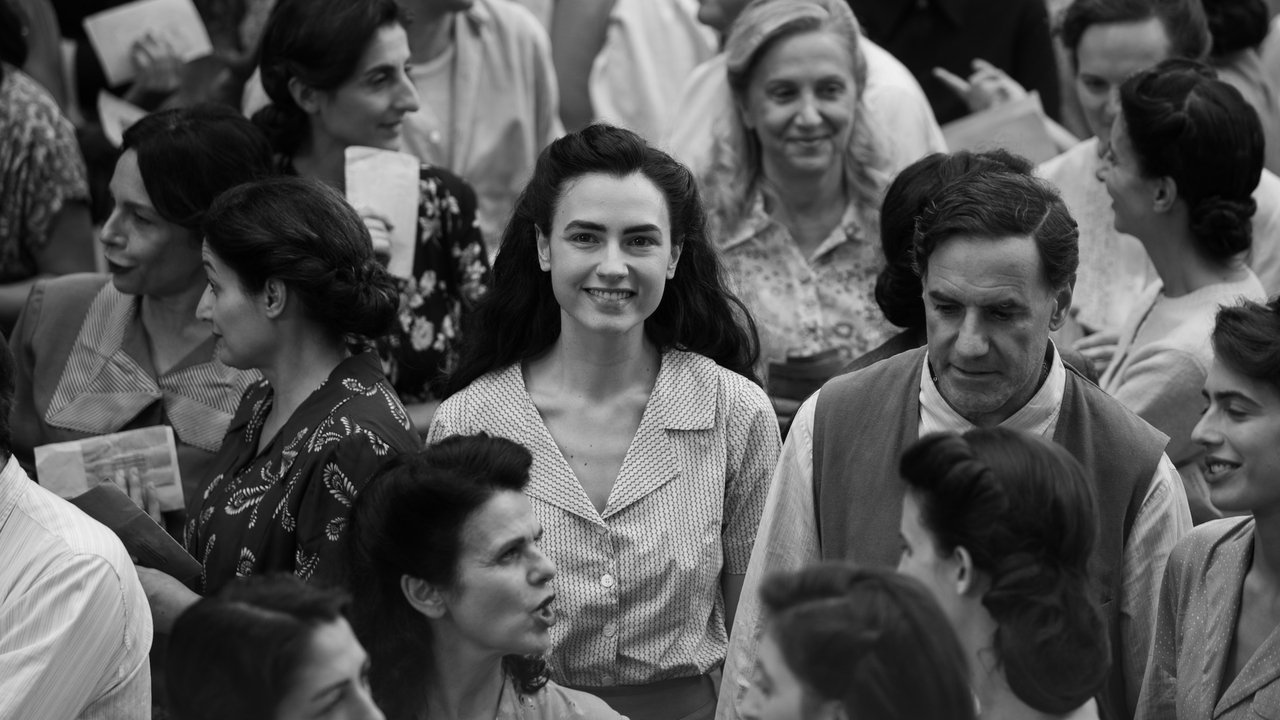
Delia’s life is a series of "small" jobs. She fixes umbrellas, she does laundry, she administers shots to the elderly, and she hands every cent over to her tyrannical husband. Valerio Mastandrea plays Ivano with a terrifying, pathetic banality. He’s not a mustache-twirling villain; he’s just a man who believes his dominance is a natural law, like gravity.
What’s brilliant—and potentially polarizing—is how Cortellesi handles the violence. In one scene, a beating is choreographed as a bizarre, silent dance. It’s stylized, set to music, and utterly heartbreaking. Turning a domestic assault into a mid-century tango is a massive narrative gamble that shouldn't work, but it somehow makes the horror more haunting. It highlights the "performance" Delia has to give every day just to survive her own living room.
The film isn't all gloom, though. There is a sharp, acidic wit running through it, mostly delivered by Delia’s best friend Marisa (Emanuela Fanelli), a market stall owner who provides the only oxygen in Delia’s suffocating world. Their banter feels real—the kind of shorthand developed over decades of shared struggle.
The Letter and the Secret
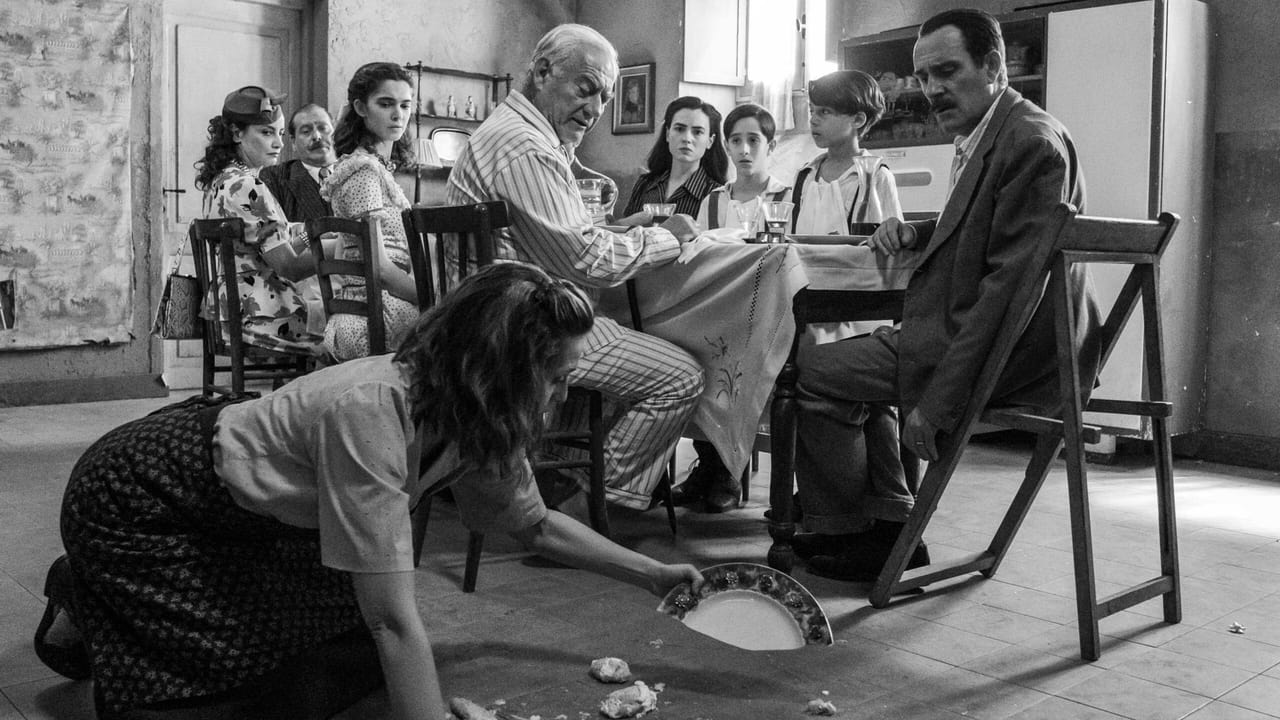
The plot kicks into gear when a mysterious letter arrives for Delia. She hides it under her mattress, and for a long time, we (and she) assume it’s a love letter from a former flame, Nino (Vinicio Marchioni), or perhaps a way out of her misery. This coincides with her daughter Marcella’s (Romana Maggiora Vergano) engagement to a boy from a "good" family. Delia wants a better life for Marcella, but she starts to see the same red flags of possessiveness in her daughter’s fiancé that she ignored in her own youth.
The cinematography by Davide Leone is gorgeous, capturing a Rome that is both crumbling and beautiful, but it’s the soundtrack that really throws you. Cortellesi uses contemporary music—hip-hop and alternative tracks—against the 1946 backdrop. It’s a jarring choice that constantly reminds the viewer that this isn't just a history lesson. It’s a mirror.
Interestingly, Cortellesi was told by several producers that a black-and-white film about domestic abuse was "unmarketable" in the post-pandemic landscape. She ended up making it for a relatively modest $9 million, and its $50 million-plus return is the ultimate "I told you so" to a film industry that often underestimates its audience’s appetite for substance over spectacle.
There’s Still Tomorrow is a rare feat: a crowd-pleasing drama that refuses to pull its punches. It manages to be funny, devastating, and ultimately soaring without ever feeling manipulative. The final ten minutes contain a narrative pivot so elegant and earned that it recontextualizes everything you’ve just watched. It’s a film that honors the sacrifices of a generation of women while demanding a better future for the next. Do not let the subtitles or the black-and-white palette deter you—this is as vital and electric as cinema gets in the 2020s.
Keep Exploring...
-
BlacKkKlansman
2018
-
Green Book
2018
-
The Favourite
2018
-
The Peanut Butter Falcon
2019
-
Riders of Justice
2020
-

The Worst Person in the World
2021
-

Dog
2022
-
Can You Ever Forgive Me?
2018
-
Dolemite Is My Name
2019
-
Battle of the Sexes
2017
-
The Man Who Invented Christmas
2017
-
Fatherhood
2021
-
The Hating Game
2021
-

The Idea of You
2024
-
Anomalisa
2015
-
Like Crazy
2016
-
My Life as a Zucchini
2016
-
The First King
2019
-
Hustle
2022
-
The Banshees of Inisherin
2022