When Evil Lurks
"Evil doesn't need an invitation to ruin you."
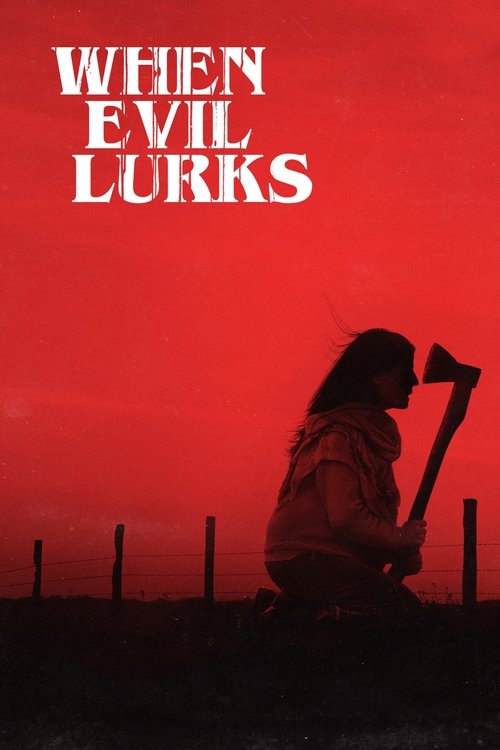
The sight of a "Rotten" is something I won't soon scrub from my brain. It’s not just a person possessed; it’s a human being turned into a weeping, pustulant vessel for something that hates the very concept of biology. When I first sat down to watch Demián Rugna's When Evil Lurks, I was distracted by a clanking radiator in my apartment that sounded like someone was trying to Morse-code their way out of the floorboards. Usually, that kind of domestic annoyance pulls me out of a movie. Ten minutes into this film, the radiator was gone, the room was gone, and I was pinned to my seat by a sense of dread so thick I could practically taste it.

Argentine director Demián Rugna, who previously unsettled us with Terrified (Aterrados), has crafted something here that feels genuinely dangerous. In an era where mainstream horror often feels like a series of safe, predictable jumps calibrated for TikTok reactions, When Evil Lurks is a jagged, rusted blade. It ignores the "rules" of modern cinematic etiquette, particularly the ones involving children and pets, and tosses them into a woodchipper.
The Geography of Hopelessness
The story centers on two brothers, Pedro (Ezequiel Rodríguez) and Jimi (Demián Salomón), who live in a remote farming community. They discover a neighbor hiding a "Rotten"—a man possessed by a demon waiting to be "born." In this world, possession isn't a theological mystery; it’s a public health crisis with a specific set of protocols. You don't use guns (that only helps the demon spread), you don't use electric lights, and you definitely don't try to move the body without the proper equipment.
Of course, poverty and panic lead to poor decisions. Our protagonists decide to dump the body far away, hoping it becomes someone else's problem. It is a profoundly human, selfish mistake that triggers a localized apocalypse. Ezequiel Rodríguez is haunting as Pedro; he carries a weight of past failures that makes his frantic, often misguided attempts to save his family feel grounded in a very specific kind of masculine desperation. He isn't a hero; he's a guy who keeps making the wrong choice because the right one is too terrifying to contemplate.
A Middle Finger to the Rulebook
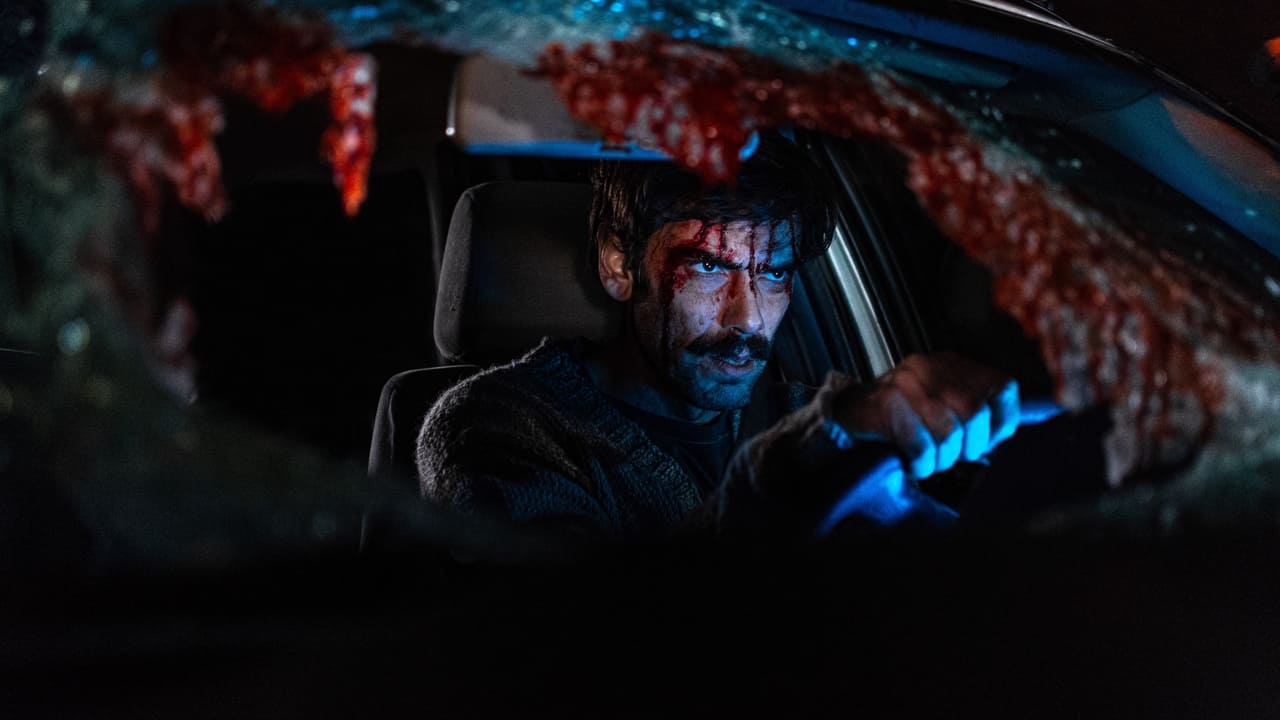
What makes this film stand out in the current landscape of Shudder-driven indie horror is its sheer nihilism. We live in a time of "elevated horror" where everything is a metaphor for grief or trauma. While you could certainly read When Evil Lurks through the lens of post-pandemic anxiety—the fear of a neighbor being a carrier, the failure of institutions to provide clear guidance—the movie doesn't demand you do the homework. It’s too busy being terrifying on a primal level.
Rugna’s direction is merciless. There is a sequence involving a family dog that is—and I do not say this lightly—one of the most shocking things I’ve seen in a decade of reviewing films. The dog scene is a giant middle finger to every Hollywood 'Save the Cat' rulebook ever written. It’s the moment the movie looks you in the eye and tells you that no one is safe, and it isn't kidding. The practical effects, handled with gruesome detail, bypass the clean, sterile look of CGI that plagues so many modern big-budget thrillers. When something breaks in this movie, you feel the snap.
The cinematography by Mariano Suárez captures the Argentinian countryside not as a postcard, but as a vast, indifferent trap. The sunlight feels harsh rather than warm, illuminating the filth and the fear in a way that makes the rural isolation feel suffocating. It’s a "daytime horror" masterpiece that rivals Midsommar in its ability to make the shadows unnecessary for a good scare.
Why This Matters Now
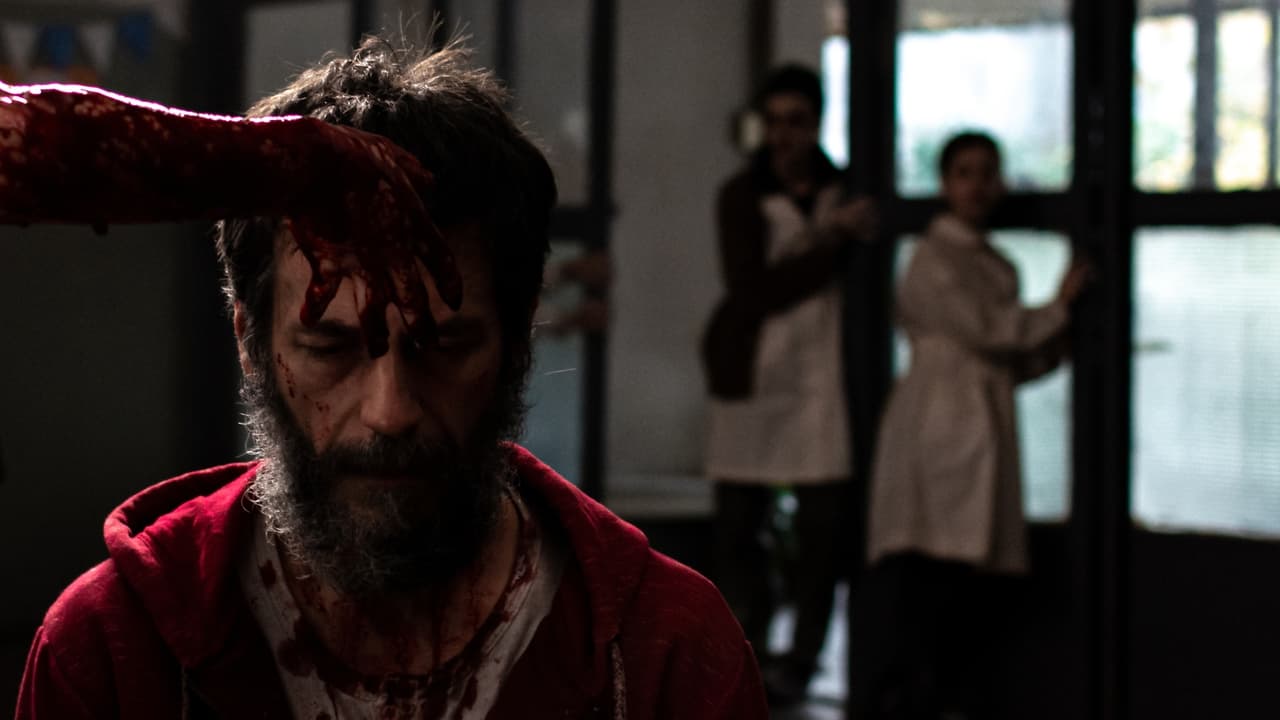
Released in 2023, When Evil Lurks arrived at a fascinating crossroads for the genre. We’ve seen a massive surge in international horror finding global audiences via streaming, and Rugna is arguably the leading voice in this "Latin American Gothic" explosion. While American franchises are busy de-aging legacy actors or building "cinematic universes," Rugna is out here building a mythology that feels ancient and nasty.
The film rejects the typical Catholic tropes we’re used to. There are no priests coming to save the day with holy water and Latin chants. In fact, religion is largely absent or useless here. The "Cleaners" who deal with the Rotten are more like specialized hazardous materials workers than exorcists. This shift makes the evil feel more like a force of nature—an infection of the soul that doesn't care about your prayers.
I’ll admit, the third act gets a bit bogged down in its own mythology. As the brothers meet Mirtha (Silvina Sabater), an old acquaintance who knows the "true" rules of the demons, the film risks becoming a bit too expository. However, the climax is so bleak and so effectively staged that any minor pacing issues are quickly forgotten. It’s a film that leaves you feeling like you need a long, hot shower—not because it’s "trashy," but because it’s so effective at portraying a world where the light has completely gone out.
When Evil Lurks is the kind of film that reminds me why I fell in love with horror in the first place. It’s imaginative, unapologetic, and deeply mean-spirited in the best way possible. It doesn't want to be your friend, and it certainly doesn't want to reassure you that everything will be okay. If you’re tired of the assembly-line ghost stories that populate your local multiplex, find this on Shudder, turn off the lights, and prepare to be genuinely upset. Just maybe check on your dog first.

Keep Exploring...
-
Speak No Evil
2024
-
Marrowbone
2017
-
Ghostland
2018
-

Hereditary
2018
-

The House That Jack Built
2018
-
Run
2020
-
The Invisible Man
2020
-
A Quiet Place Part II
2021
-
Don't Breathe 2
2021
-
The Conjuring: The Devil Made Me Do It
2021
-

Pearl
2022
-
The Black Phone
2022
-
The Menu
2022
-
Five Nights at Freddy's
2023
-

The Substance
2024
-

Companion
2025
-

Sinners
2025
-

Assassination Nation
2018
-
Look Away
2018
-

The Perfection
2018