Apocalypse Z: The Beginning of the End
"One man, one cat, and the end of everything."
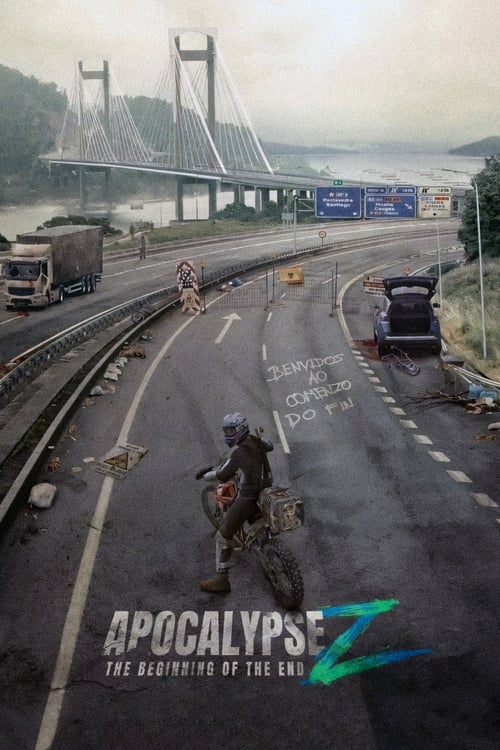
If the world actually ends tomorrow, I have realized two things: I am woefully unprepared for a sprint, and I will almost certainly meet my maker while trying to usher my cat into a carrier. This is why Apocalypse Z: The Beginning of the End (or Apocalipsis Z: El principio del fin) felt less like a standard zombie flick and more like a high-stakes documentary about my own inevitable future.
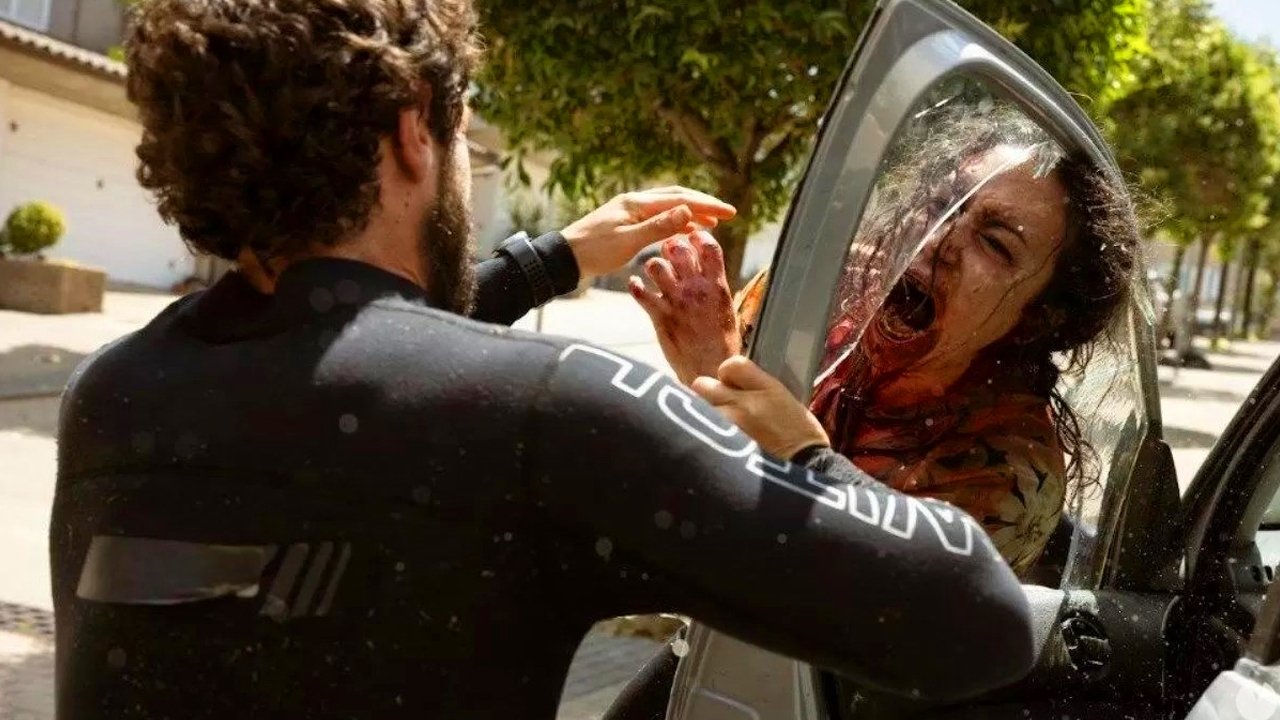
While I was watching the tense sequence where our hero, Manel, has to navigate a bridge infested with "the infected," my own cat, Gatsby, decided that was the perfect moment to knock a half-full glass of lukewarm ginger ale directly into my lap. It was a cold, sticky reminder that in the apocalypse, the pets don't care about your survival arc; they just want to know why the floor is wet.
A Different Flavor of Doomsday
We are currently living in an era of "zombie fatigue" so profound it practically deserves its own clinical diagnosis. Between The Walking Dead’s endless spin-offs and the prestige gloom of The Last of Us, you’d think there wasn’t a single drop of blood left to squeeze from the genre. Yet, director Carles Torrens manages to make this Spanish-language adaptation feel surprisingly fresh by leaning into the isolation.
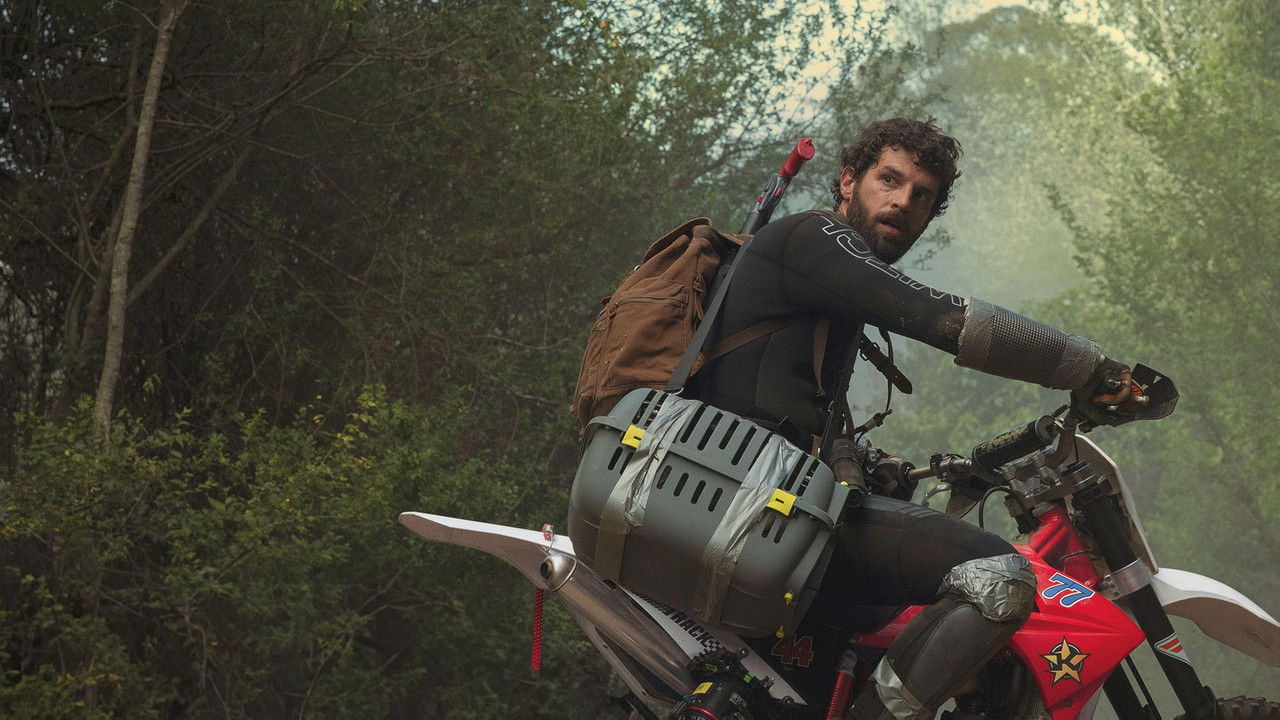
The story follows Manel, played with a fantastic, weary vulnerability by Francisco Ortiz. He’s a man already drowning in grief after the death of his wife when a "rabies-like" virus begins to turn the population of Spain into sprinting, screaming carnivores. Unlike the sprawling ensembles of American blockbusters, this is a lonely movie. For a large chunk of the runtime, it’s just Manel and his cat, Lúculo, trapped in a house in Galicia.
It captures that specific, claustrophobic anxiety we all felt in 2020—the constant checking of the news, the barricading of doors, the realization that the "outside" has become a hostile character. Torrens uses the Galician landscape beautifully; the mist, the damp forests, and the rugged coastline make the setting feel lived-in and distinct from the scorched-earth deserts we usually see in these films. I genuinely believe the most relatable apocalypse involves a cat litter crisis, and this film isn't afraid to show the mundane logistics of staying alive when the grocery stores are gone.
The Survivalist and the Sailor
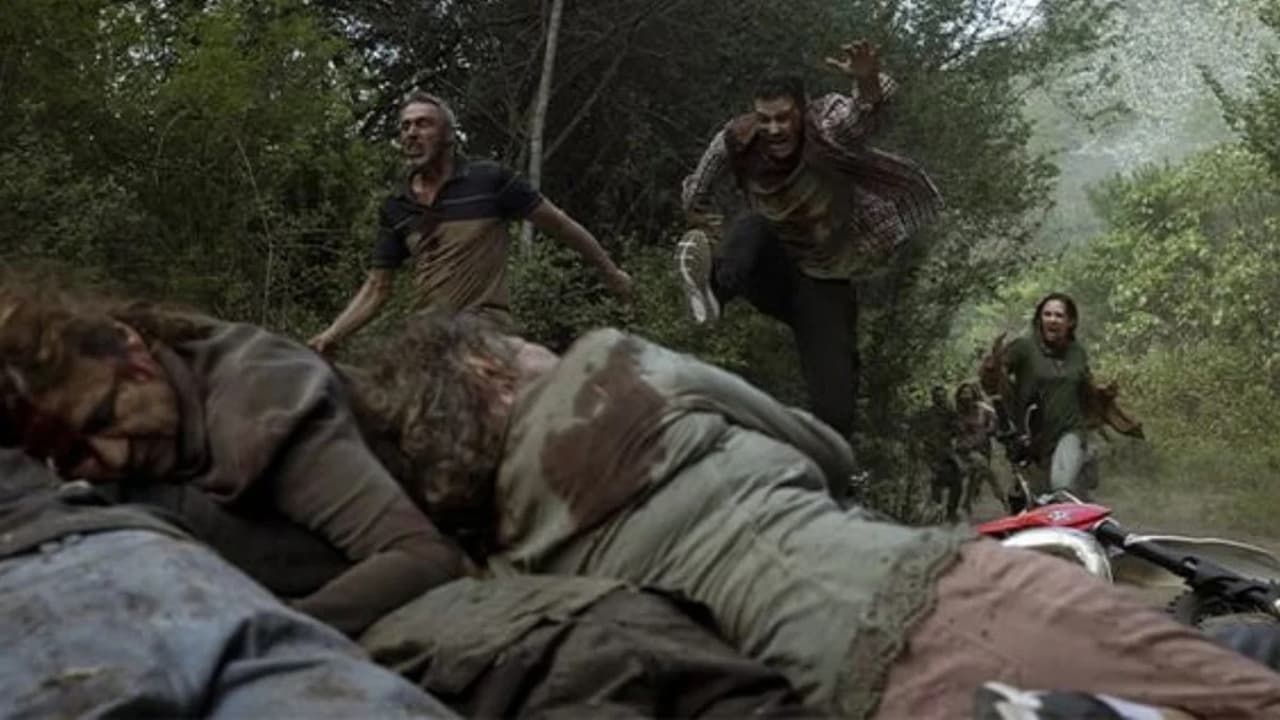
When Manel finally has to leave his fortress, the film shifts gears into a nautical road movie. This is where we meet José María Yázpik (whom you’ll recognize from Narcos: Mexico) as Pritchenko. The chemistry between Ortiz and Yázpik provides a much-needed anchor in the second half. It moves away from the "lone survivor" trope and into a meditation on how we rebuild trust in a world where everyone is a potential threat.
The action sequences are handled with a gritty, low-to-the-ground perspective. Edu Canet’s cinematography avoids the overly polished look of many modern streaming originals, opting instead for a palette that feels as cold and grey as a North Atlantic wave. The "infected" themselves aren't groundbreaking in design—they’re the fast, twitchy variety we’ve seen since 28 Days Later—but the sound design by the team makes their presence feel heavy. The screams aren't just monstrous; they sound like distorted human agony, which keeps the horror grounded in something uncomfortably real.
From Blog to Big Screen
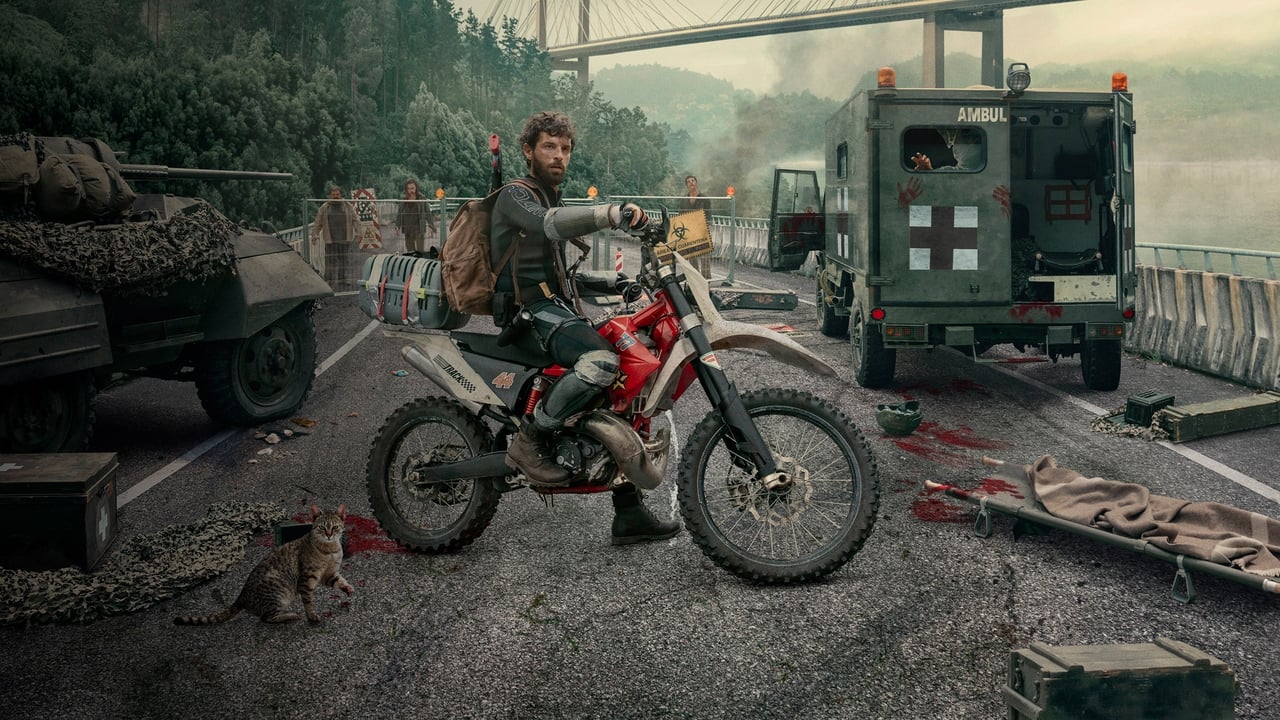
One of the coolest things about this production is its lineage. The screenplay by Ángel Agudo is based on the 2005 blog-turned-novel by Manel Loureiro. Long before every movie was a "content play" for a streaming giant, Loureiro was writing this story as a series of viral diary entries. That "everyman" perspective survives the transition to film.
There’s a persistent rumor that the production had to navigate some seriously tricky logistical hurdles filming in the waters off the coast of Spain, and it shows. The scenes involving the derelict tankers and small boats feel tactile. In an age where virtual production and LED volumes are making everything look like a video game, seeing real spray hit a real boat is a relief. It’s a "streaming movie" that doesn't feel like it was shot entirely in a parking lot in Atlanta.
Ortiz reportedly spent a significant amount of time training with his feline co-stars (there were four cats playing Lúculo), and his performance is a masterclass in acting against an animal that clearly has its own schedule. It’s the heart of the movie. Without that cat, this would just be another competent thriller. With it, it becomes a story about why we bother surviving at all—to have something else to care for.
Apocalypse Z doesn’t reinvent the wheel, but it pumps the tires and gives it a sleek new Spanish paint job. It’s a sturdy, emotional, and occasionally terrifying entry into a crowded genre that succeeds because it remembers the human (and feline) scale of tragedy. It’s the perfect pick for a rainy Tuesday night when you want a thrill but don't want to think about the MCU's multi-versal mechanics. Just make sure your own cat isn't hovering near any beverages before you hit play.

Keep Exploring...
-

Black and Blue
2019
-

Hotel Mumbai
2019
-

The Room
2019
-
The Silence
2019
-

The Wandering Earth
2019
-

#Alive
2020
-
His House
2020
-

Invasion
2020
-
Lost Bullet
2020
-
Riders of Justice
2020
-
The Craft: Legacy
2020
-

The Lodge
2020
-

The Outpost
2020
-
Antlers
2021
-
Blood Red Sky
2021
-

Lamb
2021
-

Shadow in the Cloud
2021
-
Sweet Girl
2021
-
The Marksman
2021
-

The Vault
2021