Beetlejuice Beetlejuice
"The afterlife is still a total circus."
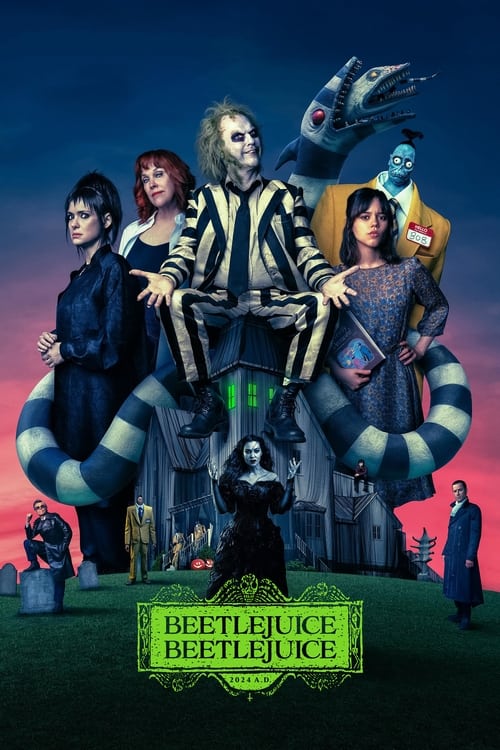
Walking into a theater for a legacy sequel in 2024 usually feels like attending a high-stakes corporate autopsy. You’re sitting there, watching a studio try to resuscitate a decades-old corpse with the paddles of nostalgia, hoping there’s enough brand recognition left to justify a line of themed popcorn buckets. But about ten minutes into Beetlejuice Beetlejuice, I realized something miraculous: Tim Burton actually found his mojo again. He didn't just dig up the grave; he threw a rager in the cemetery.
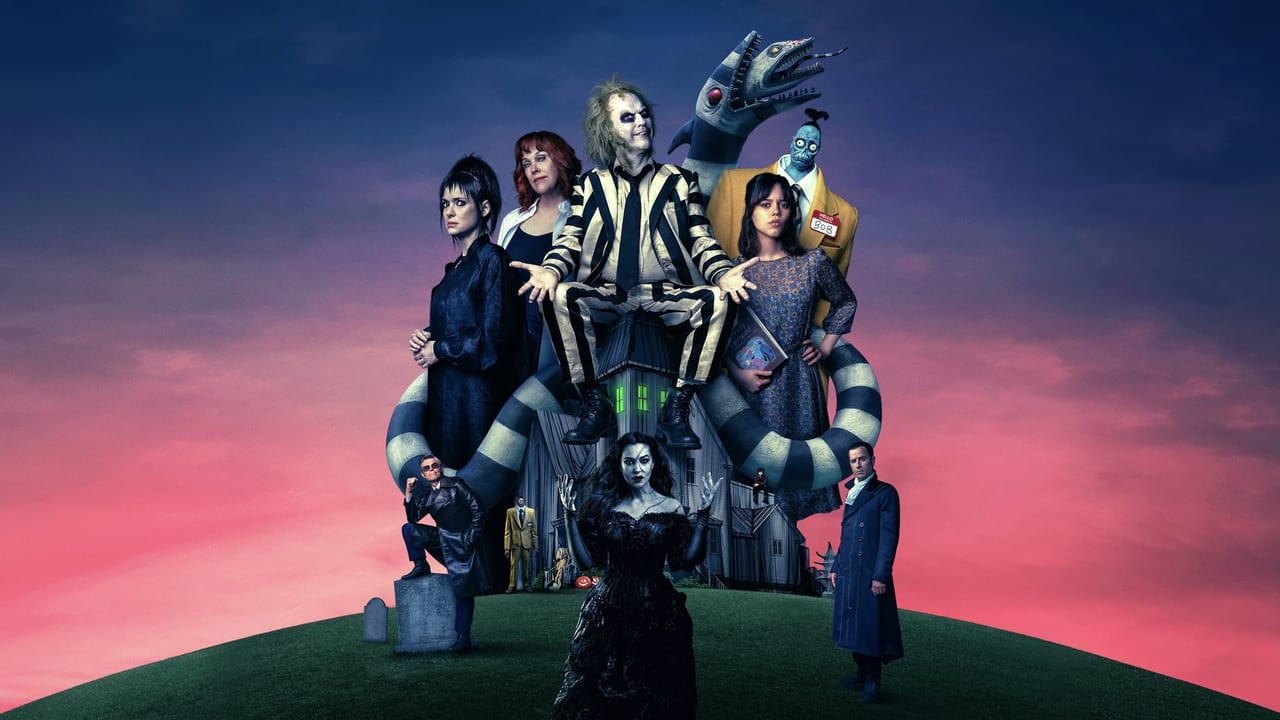
I watched this during a Tuesday matinee where the air conditioning was set to "Arctic Tundra," and I’m fairly certain the teenager two rows down was trying to explain who Winona Ryder was to his date. It made me feel ancient, which is fitting for a movie that spends half its runtime in a waiting room for the deceased.
A Family Affair in the Afterlife
The plot catches up with Lydia Deetz (Winona Ryder), who has parlayed her childhood trauma into a career as a "Psychic Mediator" on a cheeseball TV show. She’s haunted—not just by the literal Bio-Exorcist, but by the pressures of being a mother to Astrid (Jenna Ortega), a cynical teenager who thinks her mom is a fraud. When a family tragedy brings them back to Winter River, the portal to the Neitherworld inevitably swings open.
What’s refreshing here is how Burton handles the "contemporary" aspect. In an era where every franchise feels the need to be a "meditation on grief" (to use a phrase I loathe), Beetlejuice Beetlejuice stays gloriously messy. It’s a comedy of errors where the stakes are literally life and death, but nobody treats it with boring reverence. Jenna Ortega is the perfect addition to this universe; she has that Wednesday Addams stoicism that acts as a great foil to Ryder’s frantic, wide-eyed anxiety. The friction between them feels real, even when they’re being chased by a giant sandworm.
Practical Magic and Macabre Delights

In a cinematic landscape dominated by the "gray sludge" of over-processed CGI, this film is a vibrant, tactile middle finger to the status quo. Burton and cinematographer Haris Zambarloukos (who worked on Haunting in Venice) leaned heavily into practical effects. We’re talking puppets, stop-motion animation, and actors in heavy prosthetics that look like they were pulled straight out of a 1980s fever dream.
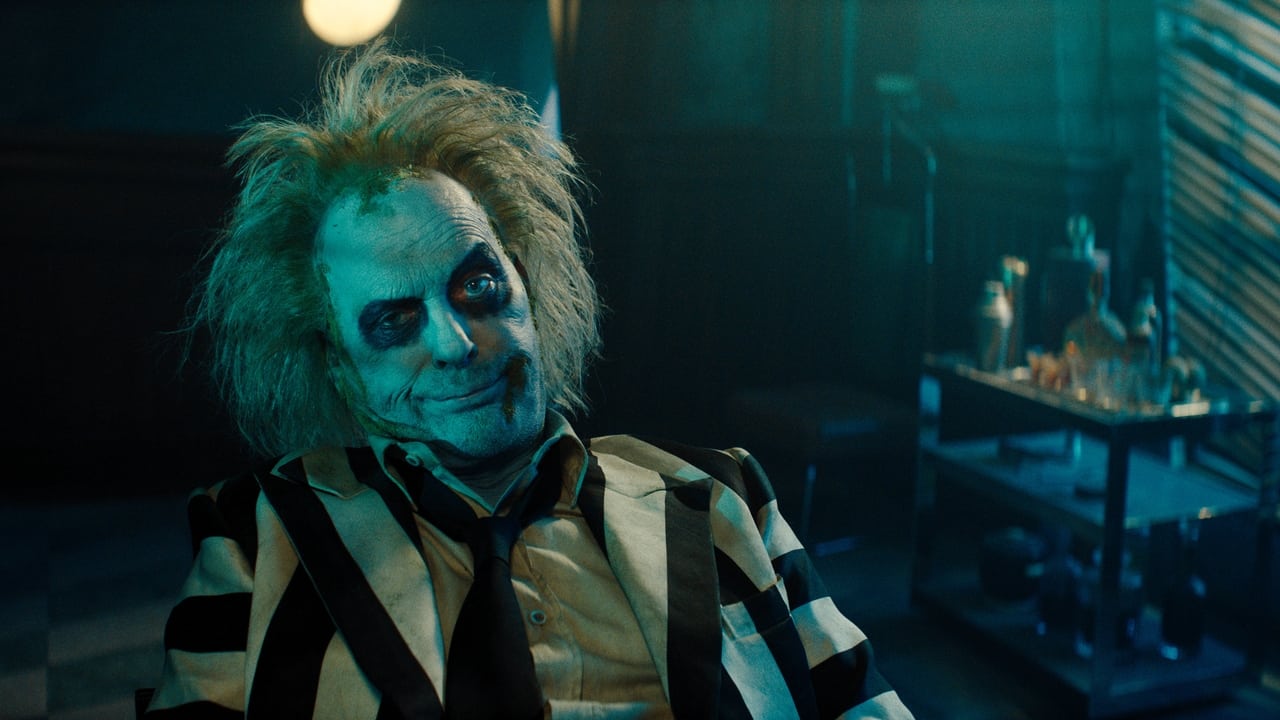
Michael Keaton returns as the title character, and it’s like he never left. He’s only on screen for about 18 minutes—roughly the same as the 1988 original—and that restraint is exactly why it works. He is a chaotic element, a human Looney Tune who smells like mold and bad intentions. Watching him riff with Catherine O'Hara, who remains an absolute national treasure as the self-absorbed Delia Deetz, is the most fun I’ve had at the movies all year. It’s essentially a $100 million student film made by a guy who finally remembered he likes his job.
The production design is a masterclass in "weird." There’s a sequence involving a "Soul Train" (literally a disco train for departing souls) that is so inspired and visually inventive it makes you wonder why we ever settled for the boring, sterilized visuals of the modern superhero era. Even the new characters, like Willem Dafoe’s Jackson Harvey—a dead B-movie actor who thinks he’s an actual hard-boiled detective—add layers of absurdist joy without cluttering the narrative.
The Business of Being Dead
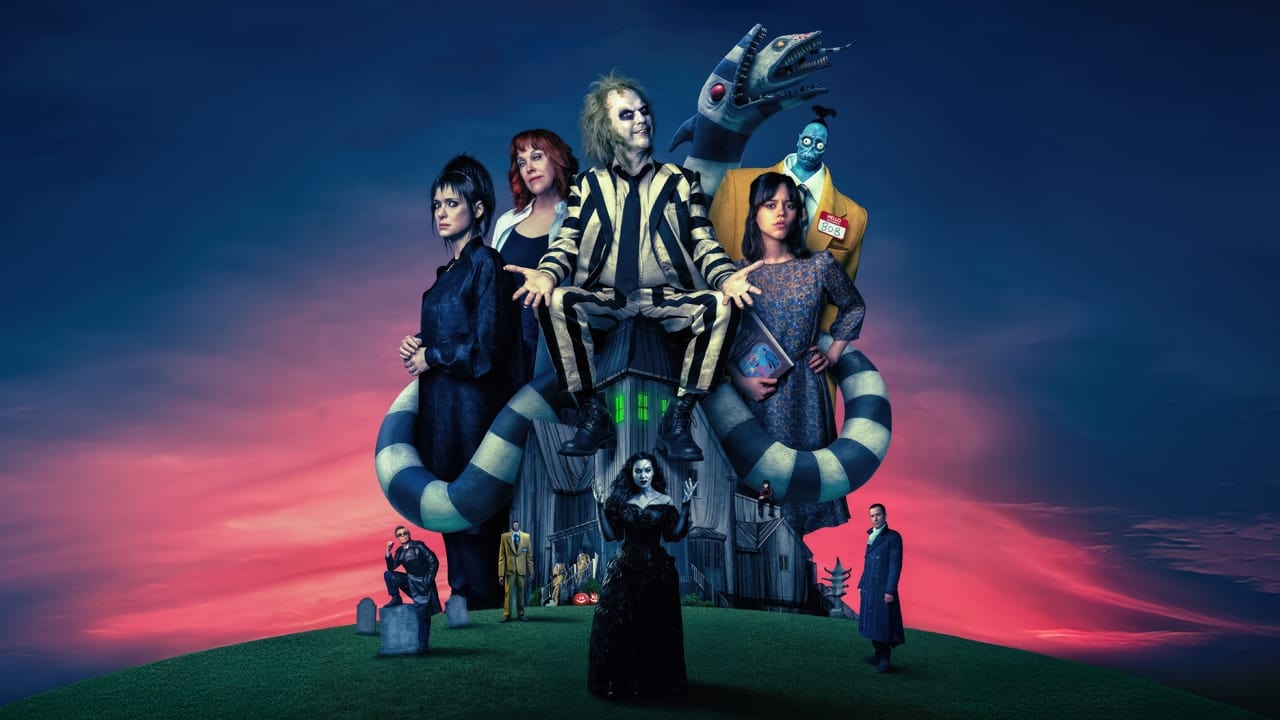
From a contemporary perspective, the existence of this film is a bit of a miracle. Turns out, Warner Bros. originally wanted this to be a streaming-only release for Max. Burton, however, stood his ground. He actually agreed to slash the budget from an estimated $147 million down to $99 million just to ensure it got a proper theatrical rollout. It was a gamble that paid off massively, proving that audiences are actually starving for something that isn't a "connected universe" prequel or a sanitized reboot.
There’s also a bit of meta-commentary on our current "influencer" culture through the character of Rory, Lydia’s manager-boyfriend played with pitch-perfect sliminess by Justin Theroux. Justin Theroux’s character is a walking, breathing LinkedIn profile of a man, and his obsession with "wellness" and "branding" provides some of the sharpest laughs in the script by Alfred Gough and Miles Millar.
Of course, it’s not perfect. Monica Bellucci plays a soul-sucking ex-wife who spent the movie stapling herself back together, and while she looks incredible, her subplot feels a bit like a vestigial organ—it’s there, but the movie doesn't really need it to survive. But when Danny Elfman’s iconic score kicks in and the practical gore starts flying, those minor pacing issues melt away.
This is the rare legacy sequel that understands you can't just repeat the past; you have to invite it back for a drink and see if it still knows how to party. It captures the frantic, weird, and slightly gross spirit of the 80s while fitting comfortably into our current, slightly-more-anxious cultural moment. If this is the direction "contemporary" blockbusters are heading—smaller budgets, more practical effects, and a total lack of self-seriousness—then count me in. It’s showtime, indeed.

Keep Exploring...
-
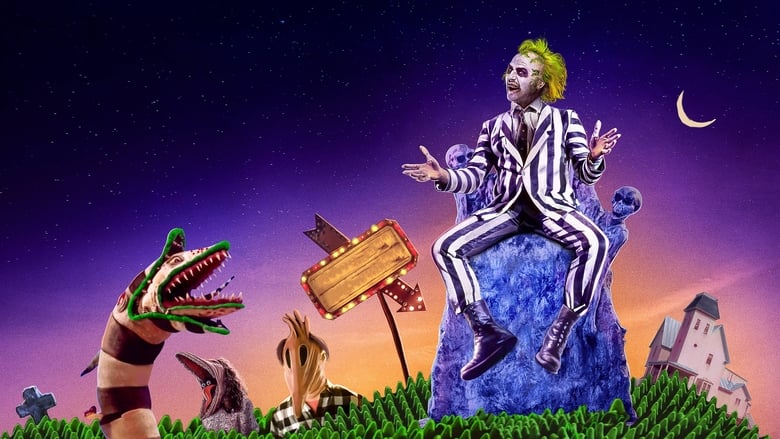
Beetlejuice
1988
-
Day Shift
2022
-
Renfield
2023
-

Nosferatu
2024
-
The House with a Clock in Its Walls
2018
-
The Addams Family
2019
-
Roald Dahl's The Witches
2020
-
Charlie and the Chocolate Factory
2005
-

Dumbo
2019
-
Frozen II
2019
-
Jumanji: The Next Level
2019
-
Shazam!
2019
-
The Croods: A New Age
2020
-

Minions: The Rise of Gru
2022
-
Thor: Love and Thunder
2022
-
The Super Mario Bros. Movie
2023
-
Kung Fu Panda 4
2024
-
Moana 2
2024
-
A Minecraft Movie
2025
-
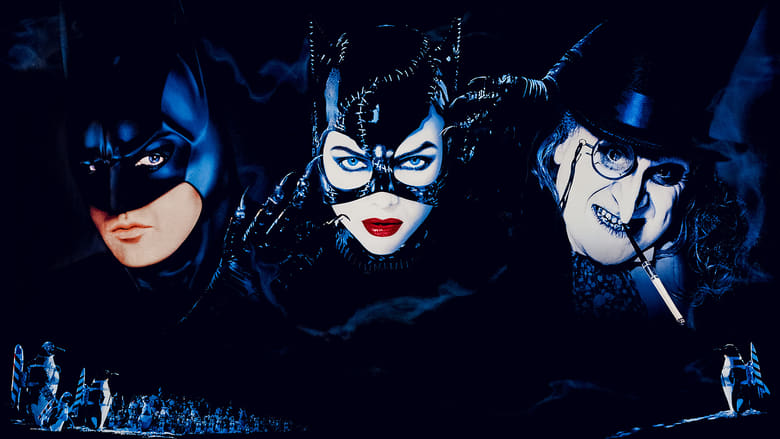
Batman Returns
1992