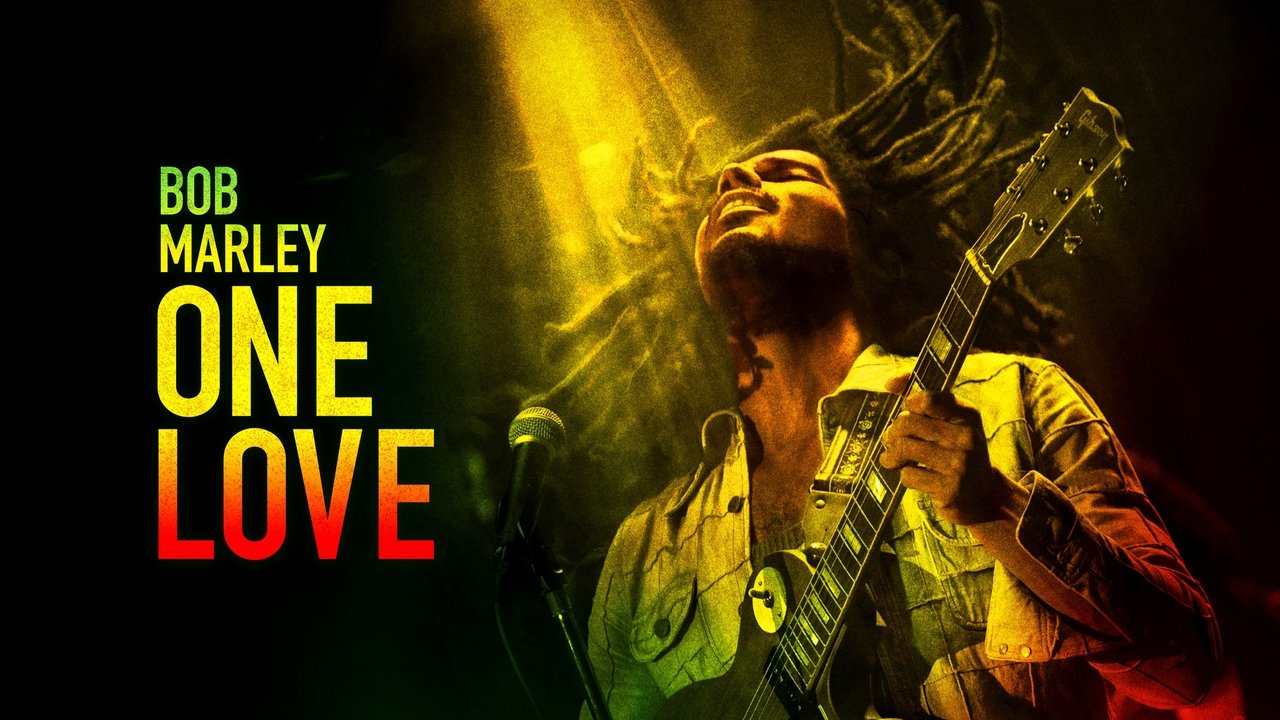
Bob Marley: One Love
"The man, the rhythm, and the heavy burden of peace."

Walking into a theater for a musical biopic in the 2020s feels a bit like ordering the "house special" at a diner you’ve visited a thousand times. You know exactly what’s in the omelet, you know how the toast is going to be buttered, and you’re mostly there for the comfort of the routine. When I sat down to watch Bob Marley: One Love, I had a very specific "comfort" experience: I was sitting next to a teenager who was trying to explain to his date who Haile Selassie was by using a Wikipedia snippet on his phone, and the blue light from his screen was the only thing competing with the vibrant Jamaican sun on screen.
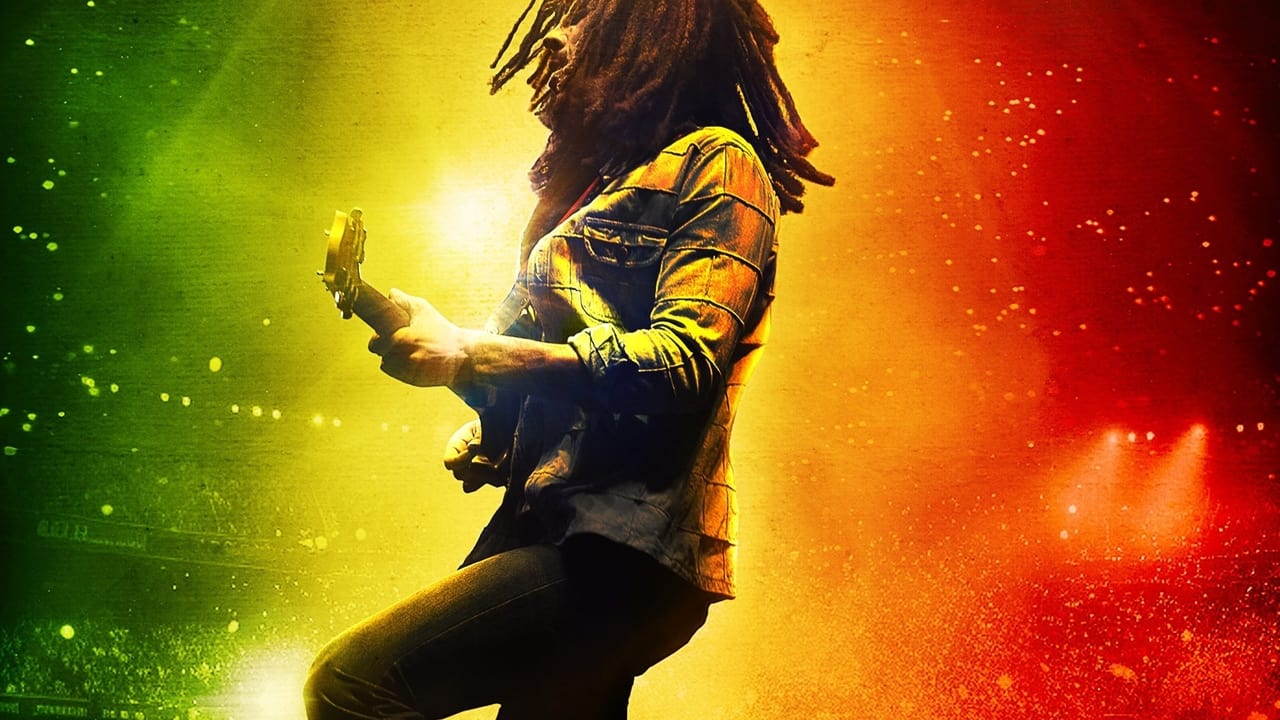
It’s a strange time for the biopic. We are currently caught in a slipstream of "sanitized icons." Following the massive success of Bohemian Rhapsody and Elvis, the industry has pivoted toward films that feel like they’ve been buffed to a high shine by estate lawyers. One Love doesn't entirely escape this trap—produced by the Marley family, it often feels more like a hagiography than a raw character study—but it survives on the sheer magnetic force of its lead performances and the undeniable, soul-shaking power of the music.
The Prophet and the Powerhouse
The film focuses on a narrow window: 1976 to 1978. It bypasses the "birth of a star" clichés to drop us straight into a Jamaica teetering on the edge of civil war. Kingsley Ben-Adir (who you might recognize as the most soulful of the Kens in Barbie or the calculating villain in Peaky Blinders) takes on the impossible task of playing Bob.
Let’s be honest: playing Bob Marley is a trap for any actor. Most people just end up doing a bad Saturday Night Live impression involving a wig and a fake accent. But Kingsley Ben-Adir does something much smarter. He focuses on the stillness. He captures the way Bob seemed to vibrate on a different frequency than everyone else in the room. Even when the script feels a bit thin, he carries the weight of a man who knows he’s a target but refuses to stop moving.
However, the real MVP here is Lashana Lynch as Rita Marley. Fresh off her stints in No Time to Die and The Woman King, Lashana Lynch provides the film’s tectonic plates. While Bob is drifting through clouds of ganja smoke and philosophical ruminations, Rita is the one keeping the family, the band, and the legacy from flying apart. There is a scene outside a Parisian nightclub where she finally snaps at Bob, and for a few minutes, the movie transforms from a standard music flick into a searing, high-stakes drama about the cost of being married to a "messiah." Lashana Lynch could find the emotional core of a grocery list, and here she makes sure the film has a heartbeat.
The Rhythm of the Moment
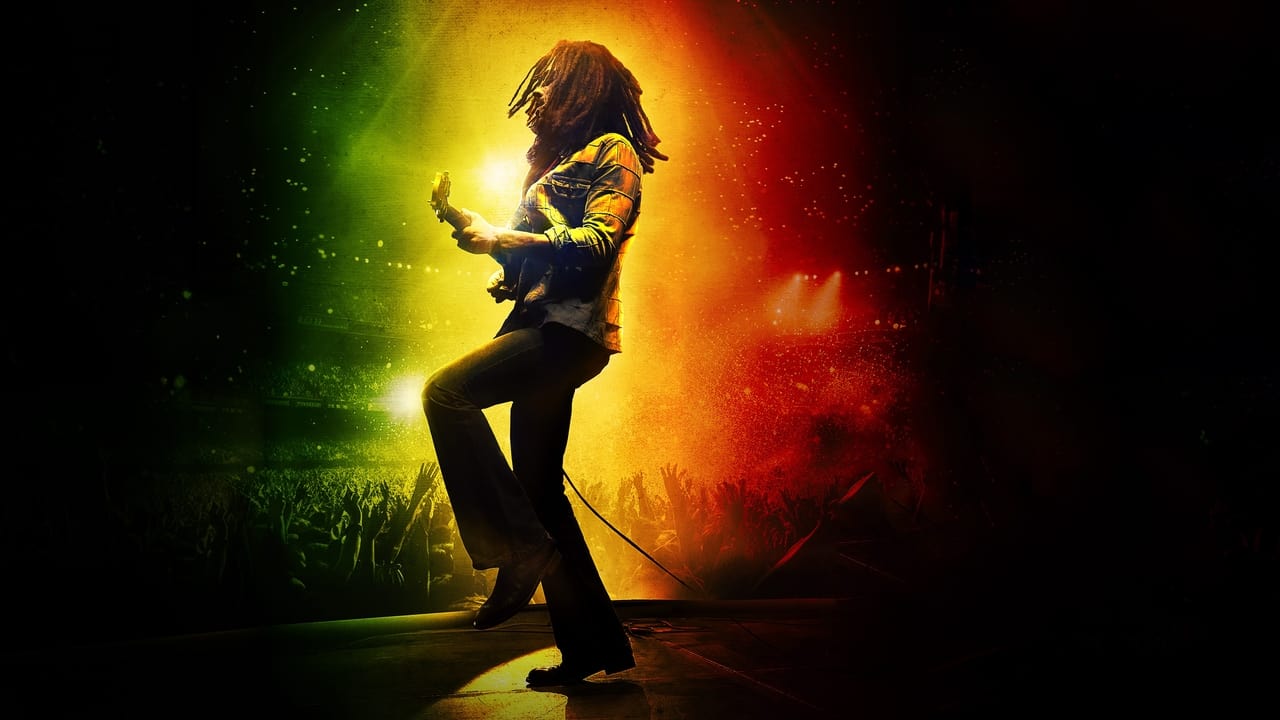
Director Reinaldo Marcus Green, who previously showed he could handle complicated father figures in King Richard, leans heavily into the atmosphere. The cinematography by Robert Elswit is gorgeous, trading the gritty, handheld look of 70s cinema for something more lush and golden. It feels like the Jamaica of a memory—vivid, warm, and slightly idealized.
The film makes a bold choice with the dialogue, too. The Patois isn't watered down for American ears, which I absolutely loved. It forces you to listen to the rhythm of the speech, making the experience feel far more authentic than the usual "Hollywood-standardized" version of international stories. It’s an example of how contemporary cinema is slowly moving away from the "British accent equals foreign" trope, even in big-budget studio releases.
But here is my hot take: the movie is essentially a high-budget Wikipedia entry with better lighting. It hits the milestones—the assassination attempt, the exile in London, the recording of Exodus, the toe injury—but it rarely digs into the "why." It treats Bob’s inner life like a locked room. We see him dreaming of his father and the burning fields, but these surrealist flourishes feel more like "Biopic 101" than genuine insight. The film treats Bob less like a man and more like a glowing religious artifact.
Why It Matters Now
Despite those narrative shortcuts, One Love arrived at a fascinating moment. In an era of extreme political polarization and "franchise fatigue," there’s something genuinely radical about a movie that made $180 million by preaching nothing but peace and collective consciousness. It didn't need a multiverse or a post-credits scene; it just needed "Redemption Song."
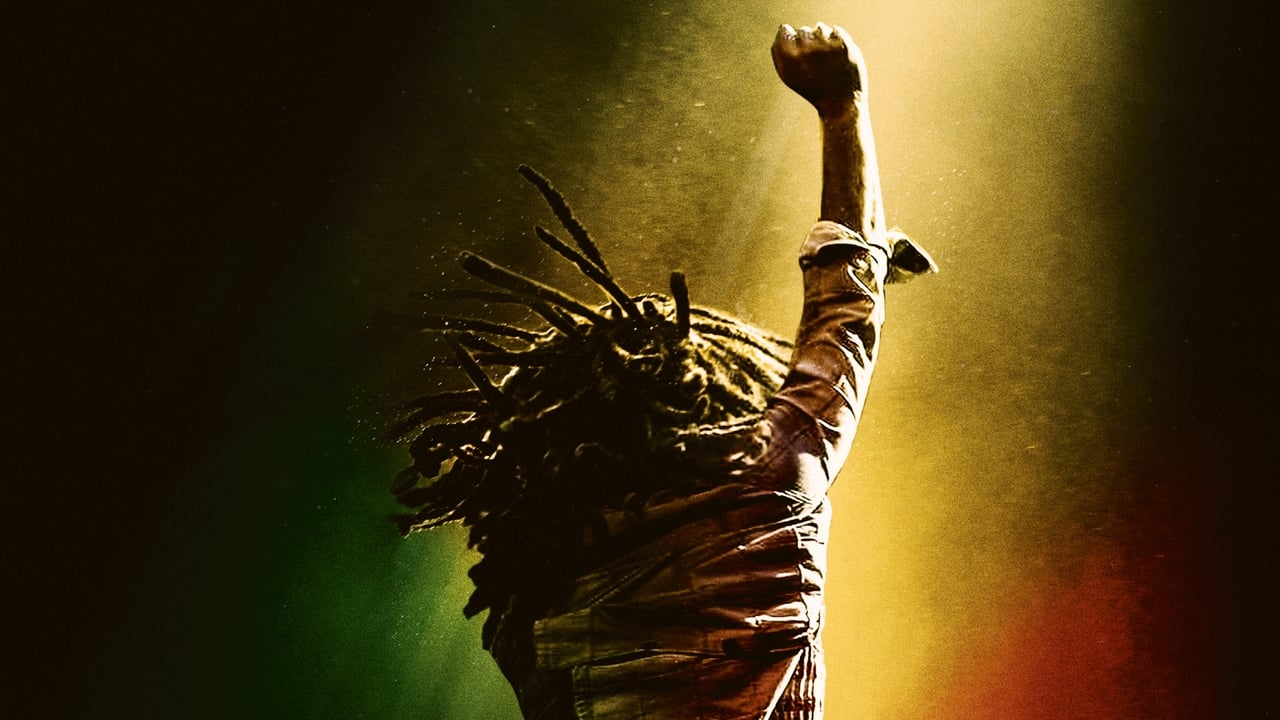
The film also navigates the tricky waters of representation that define our current cinematic era. It’s a film about Jamaican identity made with significant involvement from the people who lived it, which gives the concert scenes—especially the climactic One Love Peace Concert—a sense of communal catharsis. Even if the screenplay by Zach Baylin and Terence Winter (the guy behind The Wolf of Wall Street, funnily enough) plays it safe, the spirit of the production feels earnest.
The trivia is equally charming. Apparently, Kingsley Ben-Adir spent months learning to play guitar and speak in Bob’s specific cadence, even though the film blends his voice with Bob’s actual master recordings. It’s a technical feat that’s becoming common (like in Maestro), but here it feels necessary. You can’t replicate that rasp; you can only hope to channel the spirit behind it.
At the end of the day, Bob Marley: One Love is a solid, well-acted drama that acts as a perfect gateway drug for the uninitiated. It doesn't have the grit of a documentary or the experimental flair of something like I'm Not There, but it respects the man’s music and the culture that birthed him. It’s a movie that reminds us why we fell in love with Bob in the first place, even if it’s too polite to show us the shadows behind the spotlight. It won't change the world, but for 104 minutes, it makes the world feel a little bit more in tune.
Keep Exploring...
-

King Richard
2021
-

Judy
2019
-
All Eyez on Me
2017
-
Elvis
2022
-
A Complete Unknown
2024
-
A Beautiful Day in the Neighborhood
2019
-
Dolemite Is My Name
2019
-

Harriet
2019
-

Hotel Mumbai
2019
-
The Dirt
2019
-

I Still Believe
2020
-
Ma Rainey's Black Bottom
2020
-
Mank
2020
-
The Courier
2020
-
The Outpost
2020
-

Belfast
2021
-
Ferrari
2023
-
The Iron Claw
2023
-

The Apprentice
2024
-
Ben-Hur
2016