Despicable Me 4
"New baby, new bugs, same glorious mayhem."
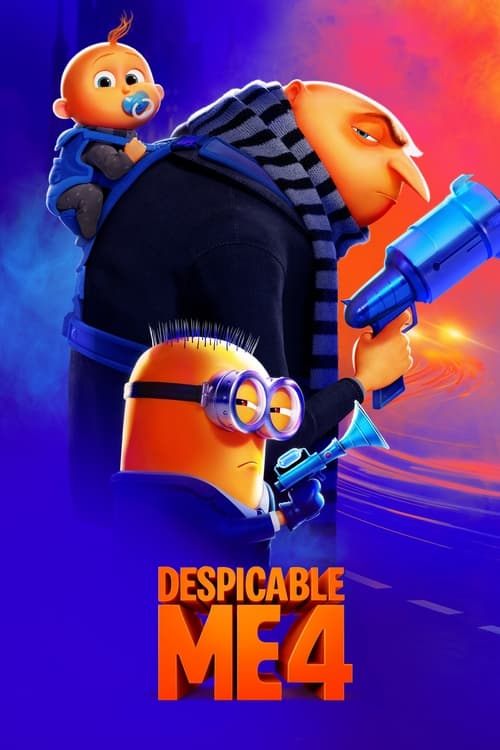
I’ll be honest: I walked into the theater with a slight sense of "franchise dread." You know the feeling—that heavy awareness that you’re about to watch the sixth installment of a series that began when the iPad was a brand-new toy. I was sitting next to a teenager who was wearing a bucket hat indoors for some reason, and the smell of overpriced nacho cheese was particularly pungent. Yet, within ten minutes, the sheer, caffeinated velocity of Chris Renaud’s direction wore me down. I wasn't just watching a movie; I was being subjected to a high-fructose corn syrup injection directly into the visual cortex.
The Witness Protection Program for Supervillains
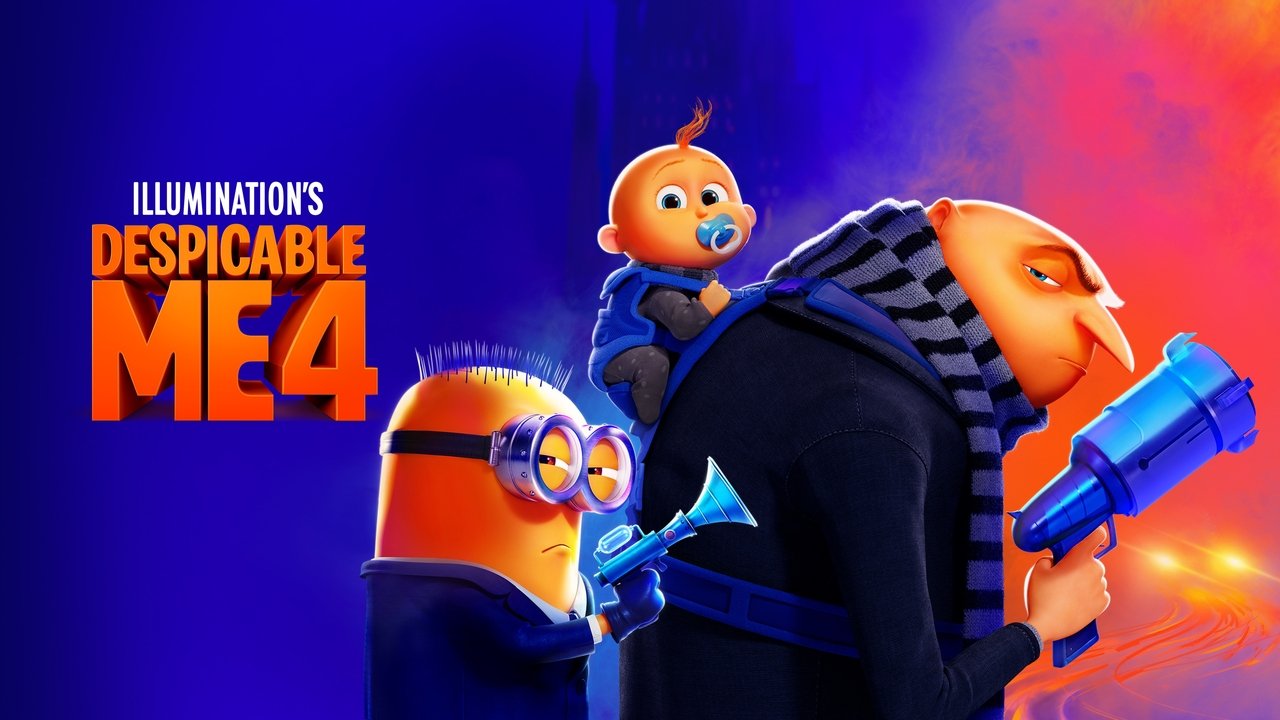
Despicable Me 4 doesn't bother with the "prestige" storytelling of modern Pixar or the "multiversal" weight of the Spider-Verse. Instead, it leans into the glorious absurdity of its own internal logic. We find Gru (Steve Carell) adjusting to a new addition to the family, Gru Jr., a baby who seems to view his father with the same suspicion a health inspector views a street taco stand. But the domestic bliss is short-lived. Enter Maxime Le Mal, voiced by a delightfully unhinged Will Ferrell.
Maxime is a cockroach-themed villain who holds a decades-long grudge against Gru over a high school talent show incident involving a Culture Club cover. It is exactly as stupid as it sounds, and I loved every second of it. Will Ferrell channels a specific kind of Euro-trash flamboyance that feels like a spiritual cousin to his work in Zoolander or Eurovision Song Contest. He’s joined by Valentina (Sofía Vergara), a femme fatale who mostly exists to look bored while Maxime rants about his insect-inspired vengeance. The plot eventually shuffles the Gru family into a witness protection program in the upscale town of Mayflower, forcing Gru to pretend to be a solar panel salesman. The sight of Gru trying to fit into a country club is the kind of fish-out-of-water comedy that never gets old, even when it’s being performed by a guy with the silhouette of a water tower.
Sci-Fi Gadgets and Mega-Mayhem
While the family drama provides the heart, the science fiction elements are where the animators at Illumination really get to flex. Maxime’s technology—specifically his "cockroach-ification" ray—is wonderfully gross and inventive. It’s a callback to the "mad scientist" roots of the original 2010 film, but with a 2024 budget. The gadgets are sleeker, the explosions are more vibrant, and the textures are so sharp you can practically feel the fuzz on Gru’s iconic scarf.
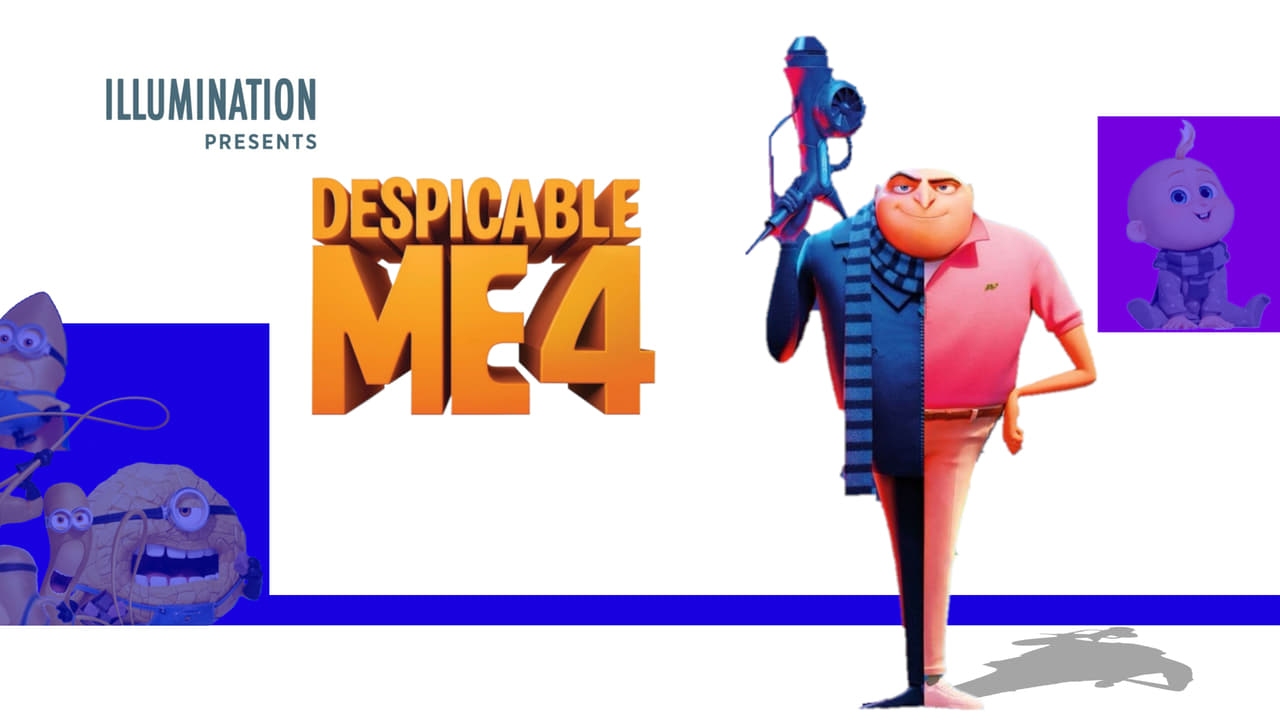
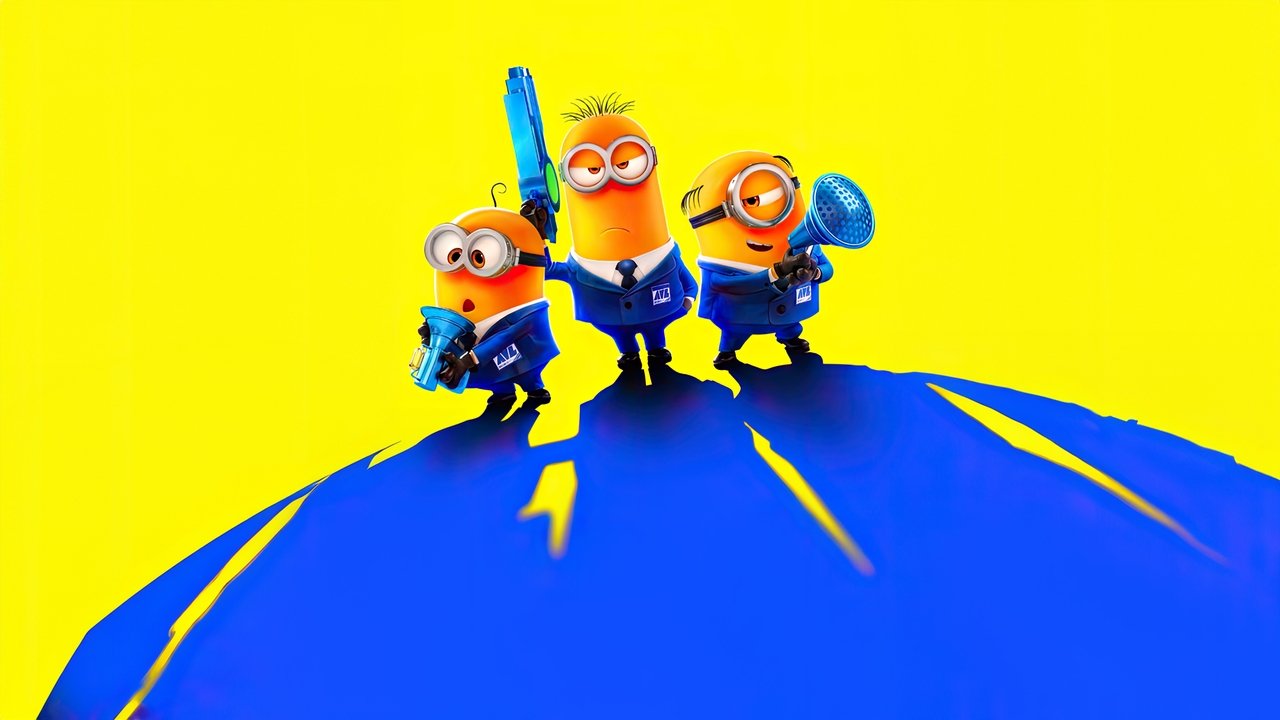
Then, of course, there are the "Mega Minions." In an era where we are all feeling a bit of superhero fatigue, the film takes five of our favorite yellow pill-shaped chaos agents and gives them powers inspired by the Fantastic Four and the X-Men. The Mega Minions are essentially a five-car pileup of Marvel tropes, and watching them fail miserably at "saving" people is the most biting satire of the MCU I’ve seen in years. One Minion has a laser eye that he can’t control, while another is just... incredibly strong and likes to eat rocks. It’s mindless, it’s slapstick, and it’s exactly what the franchise needed to keep the Minion formula from feeling stale.
The Mike White Factor
One of the weirdest bits of trivia about this film is that the screenplay was co-written by Mike White. Yes, the same Mike White who created the cynical, soul-crushing social satire of The White Lotus and wrote the cult classic School of Rock. You can see his fingerprints in the subtle jabs at suburban pretension in the town of Mayflower. There’s a slight edge to the way the "perfect" neighbors are portrayed that feels a bit more sophisticated than your average family flick.
However, the film still struggles with the "too many characters" problem that plagues almost every modern blockbuster. Between the three girls (including Miranda Cosgrove as Margo), Lucy (Kristen Wiig), the baby, the new villain, the neighbor girl Poppy who wants to be a villain, and the Anti-Villain League, the narrative starts to feel like a suitcase that’s been overpacked for a weekend trip. The movie moves at such a breakneck speed that it occasionally forgets to let a joke land before sprinting to the next one. It’s a symptom of our current "content" era—if you aren't stimulating the audience every six seconds, you might lose them to their phones.
Ultimately, Despicable Me 4 is a testament to the sheer efficiency of the Illumination hit factory. It cost $100 million and made nearly a billion, proving that the Minions are basically the cockroaches of cinema—they can survive any critical blast and still sell millions of backpacks. It doesn't reinvent the wheel, and it certainly won't be studied in film schools for its thematic depth, but it is an expertly tuned engine of distraction.
Is it a masterpiece? No. But in a summer of heavy-handed sequels and three-hour epics, there is something refreshingly honest about a movie that just wants to show you a Minion getting his head stuck in a vending machine. I left the theater with a headache, a newfound fear of cockroaches, and the realization that Steve Carell’s Gru voice is now more foundational to my childhood than my own father's. And honestly? I'm okay with that.
Keep Exploring...
-
Despicable Me
2010
-
Despicable Me 2
2013
-

Despicable Me 3
2017
-

Minions: The Rise of Gru
2022
-

The Secret Life of Pets
2016
-
The Secret Life of Pets 2
2019
-
Migration
2023
-

Ice Age: Collision Course
2016
-
Captain Underpants: The First Epic Movie
2017
-

Space Jam: A New Legacy
2021
-
DC League of Super-Pets
2022
-
Minions
2015
-

Ron's Gone Wrong
2021
-

Frozen II
2019
-
Toy Story 4
2019
-

Sonic the Hedgehog
2020
-
The Croods: A New Age
2020
-

Sing 2
2021
-
The Bad Guys
2022
-

The Super Mario Bros. Movie
2023