Don't Move
"Your body is a cage. He has the key."
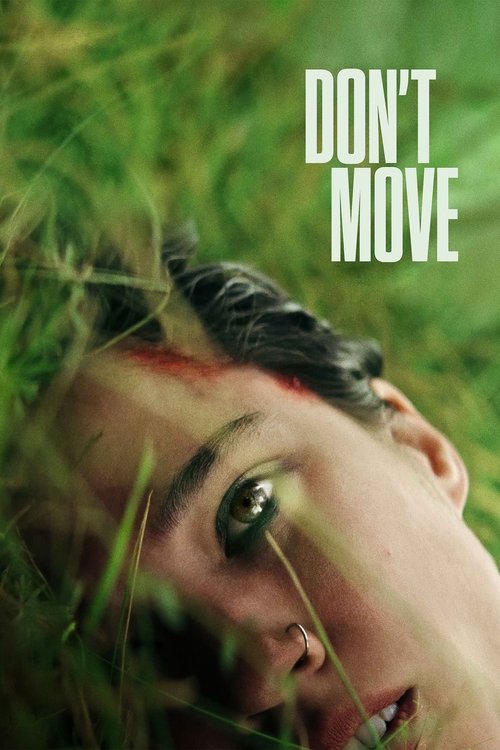
There is a very specific brand of nightmare that involves your legs turning into lead while something terrible chases you. We’ve all had it—that agonizing slow-motion sprint where your brain is screaming "run" and your central nervous system is essentially replying with a busy signal. Don’t Move takes that universal anxiety, dresses it up in a North Face jacket, and drops it into the middle of the California wilderness. I watched this while sitting on a beanbag chair that has lost about 40% of its structural integrity, which felt strangely appropriate for a movie about a body slowly giving up on its host.

The setup is lean and mean, exactly what you want from a 92-minute Netflix thriller. Kelsey Asbille (who many of us know from Yellowstone) plays Iris, a woman drowning in grief who ventures into a secluded forest with the darkest of intentions. Before she can follow through, she crosses paths with Richard, played by Finn Wittrock. Now, Finn Wittrock has officially cornered the market on the "Hot Guy Who Is Definitely a Serial Killer" archetype. He plays Richard with this terrifyingly polite, "I’m just a hiker" charisma that makes your skin crawl long before he pulls out a needle and injects Iris with a paralytic agent.
The Countdown to Total Stillness
The "hook" here is the science. Richard explains that Iris has about twenty minutes before her body completely shuts down—first the fine motor skills, then the legs, then the voice, and finally the lungs. It’s a brilliant narrative device. It turns a standard cat-and-mouse chase into a ticking-clock survival game where the protagonist’s greatest enemy isn't just the man with the knife, but her own failing nerves.
Directors Adam Schindler and Brian Netto—who previously worked with producer Sam Raimi on the anthology series 50 States of Fright—clearly learned a few things from the master of suspense. They don't overcomplicate the visual language. Instead, they focus on the excruciating minutiae of Iris trying to navigate a world that is becoming increasingly inaccessible. Watching her try to navigate a boat or hide behind a log when she can barely move a finger is genuinely stressful. It reminds me of the claustrophobic tension in Mike Flanagan’s Hush, but instead of being trapped in a house, she’s trapped inside her own skin.
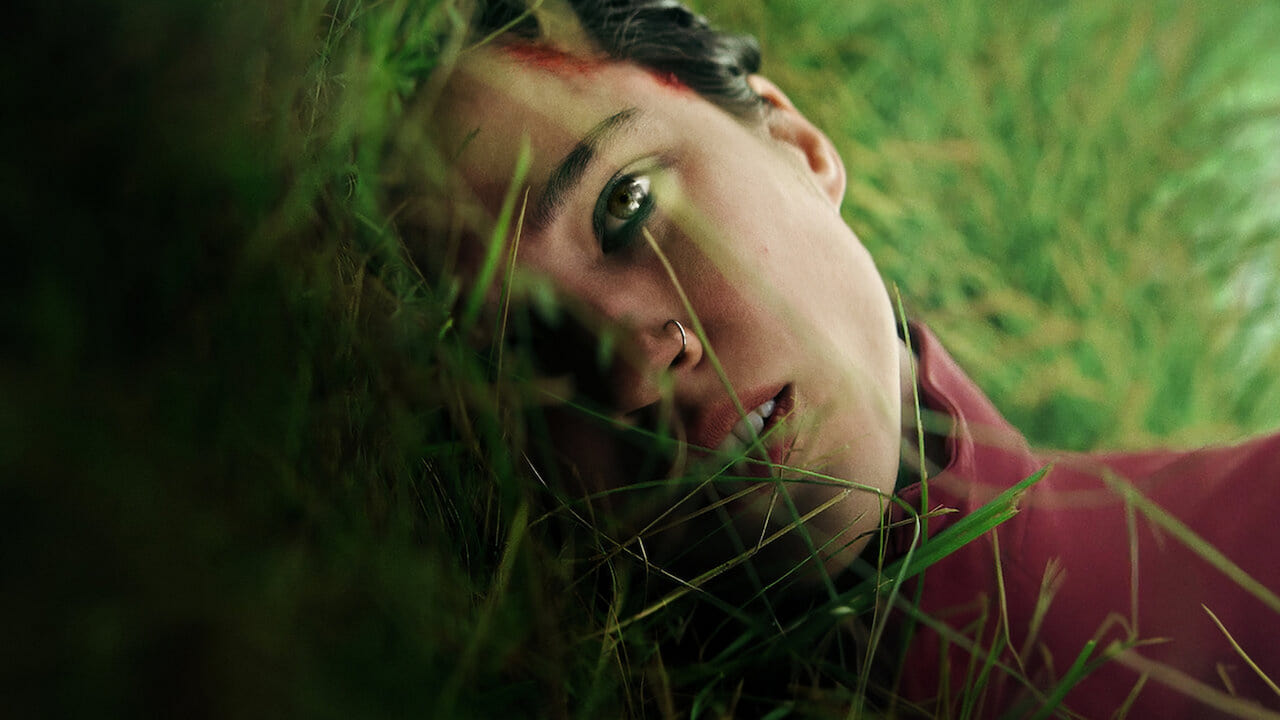
I found myself holding my breath during a middle-act sequence involving an elderly man named Bill, played by Moray Treadwell. It’s the kind of scene that hinges entirely on what is not being said. Iris is lying right there, unable to speak, while Richard weaves a web of lies just a few feet away. It’s a classic suspense trope, but it works because Kelsey Asbille does a phenomenal job of acting with nothing but her eyes. In an era where many horror leads are required to scream their way through a script, her performance is a lesson in enforced subtlety.
Playing Nice with the Big Bad Wolf
The film leans heavily into the "Contemporary Cinema" vibe of the high-concept streaming thriller. Because it was produced for a platform like Netflix, it feels designed to be consumed in one breathless sitting. It doesn’t have the bloated runtime of a theatrical blockbuster, and honestly, the 90-minute thriller is a dying art form that I am desperate to see resurrected.
However, there are moments where the logic of the "streaming algorithm" starts to show through the cracks. Richard’s motivations are a bit murky—he’s a family man with a dark side, a trope we’ve seen explored with more depth in things like The House That Jack Built. While Finn Wittrock is magnetic, the script doesn’t always give him the psychological meat he needs to be truly legendary. He’s a scary guy because he’s there and he’s fast, not necessarily because he represents a deeper social rot.
The film also benefits from some crisp cinematography, though it’s funny to note that while it’s set in the towering forests of Big Sur, it was actually filmed in Bulgaria. Streaming-era production is a master of international sleight-of-hand, and while the trees look "Californian" enough, there’s an occasional sterile quality to the digital grade that reminds you this was made for a screen in your living room rather than a 70mm projection.
Streaming Logic and Sam Raimi’s Stamp
You can definitely feel Sam Raimi’s influence in the third act. There’s a certain "mean-spirited" energy to the obstacles thrown at Iris—a sequence involving a brush fire and a very stubborn lawnmower feels like something straight out of a more grounded Evil Dead spinoff. It’s that Raimi-esque glee in watching a protagonist suffer in the most creative ways possible.
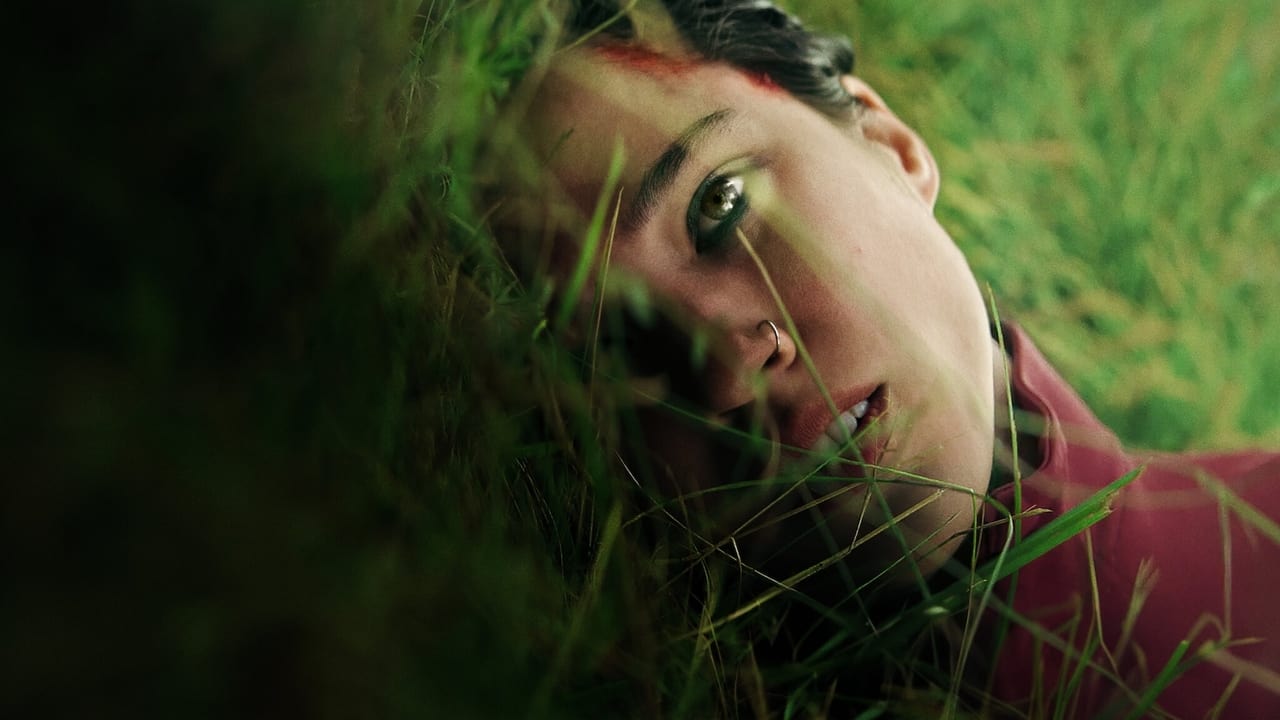
I’ve seen a lot of people on social media debating the ending, and while I won't spoil it, I’ll say that it fits the current trend of "meaningful" horror. It’s not just about surviving a killer; it’s about Iris finding a reason to want her body to start working again. It’s a bit on the nose, sure, but in a movie where the main character spends forty minutes as a human mannequin, you need a bit of emotional scaffolding to keep the audience invested.
Ultimately, Don't Move is a solid, efficient piece of craft. It doesn’t reinvent the wheel, but it keeps that wheel spinning at a terrifying pace. It’s the kind of movie that justifies your monthly subscription for a Friday night—low barrier to entry, high immediate reward, and just enough lingering dread to make you double-check the locks before you head to bed.
When the credits rolled, I felt a strange urge to go for a jog, just to confirm that my legs still worked. It’s not a film that’s going to spark a decade of academic discourse, but as a technical exercise in sustained tension, it’s a winner. It understands its gimmick and plays it for all it’s worth. If you’ve got an hour and a half to kill and a high tolerance for watching people struggle to move their pinky fingers, you could do a lot worse than this.

Keep Exploring...
-
Haunt
2019
-
Polaroid
2019
-

Secret Obsession
2019
-
The Prodigy
2019
-
The Silence
2019
-

Brahms: The Boy II
2020
-

Color Out of Space
2020
-
Gretel & Hansel
2020
-

Synchronic
2020
-

The Lodge
2020
-
You Should Have Left
2020
-

Till Death
2021
-
Willy's Wonderland
2021
-
Wrong Turn
2021
-

Beast
2022
-
Fresh
2022
-

Hellraiser
2022
-

Prey for the Devil
2022
-

The Invitation
2022
-

Watcher
2022