Dune: Part Two
"The desert claims all, even the heroes we crave."

There is a specific frequency of bass that makes the popcorn in your lap dance like the sand on Arrakis, and Denis Villeneuve found it. In an era where "franchise fatigue" has become the default setting for most moviegoers—a time when we’re often drowning in mediocre CGI and half-baked multiverses—Dune: Part Two arrived like a localized storm. It wasn't just another sequel; it felt like a correction. I watched this in an IMAX seat so close to the screen that I felt like a grain of sand being swallowed by a Maker, but the guy behind me kept loudly unwrapping a granola bar during the quietest ritual scenes, reminding me that even in the face of the sublime, humanity remains irritatingly mundane.
The Weight of Water and Power
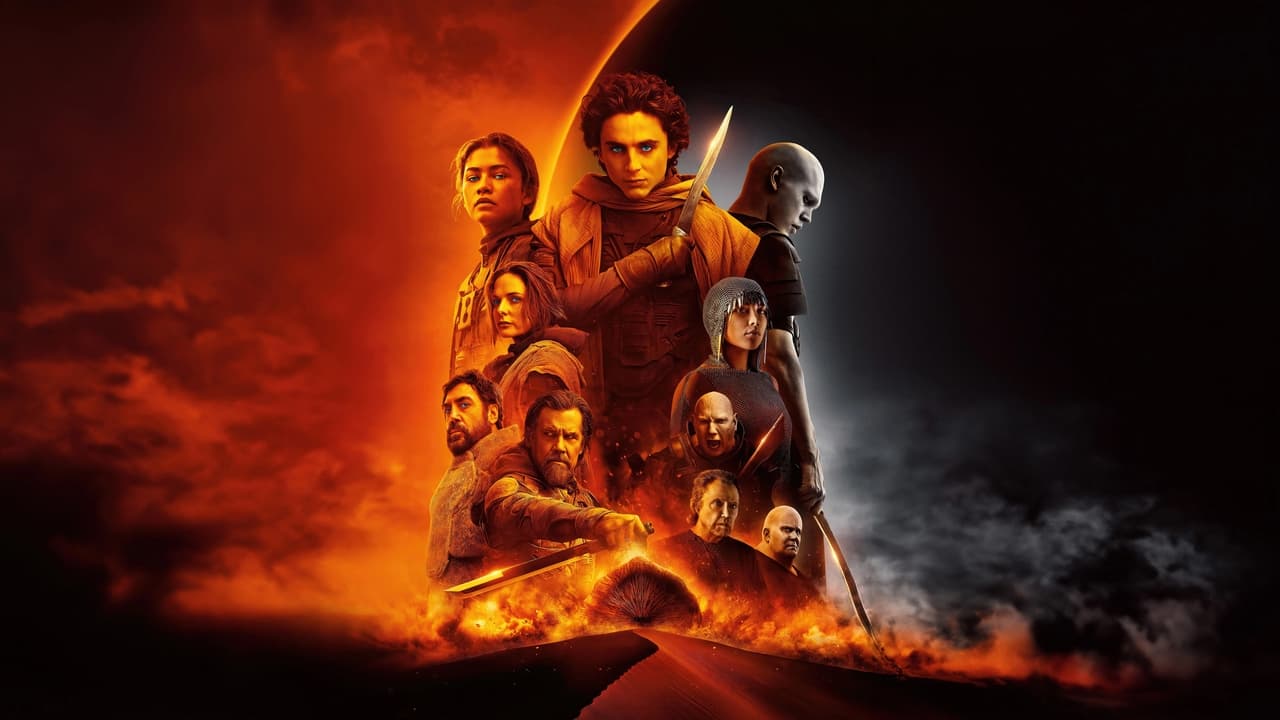
While the first film was a masterclass in atmospheric setup, Part Two is where the gears of the machine actually begin to grind. We pick up immediately with Timothée Chalamet as Paul Atreides, now a refugee among the Fremen. If you thought the first film was a standard "chosen one" narrative, this chapter is here to dismantle your expectations with a sledgehammer. The Fremen aren't your typical rebel alliance; they’re a cautionary tale about what happens when faith is weaponized by someone who knows better.
The narrative brilliance here lies in the tension between Paul’s desire for revenge and his absolute terror of the holy war he knows his presence will spark. Timothée Chalamet sheds the "soft prince" persona for something far more jagged and frightening. Beside him, Zendaya finally gets to do more than stand in a dream sequence; as Chani, she serves as the film’s moral compass and the audience’s proxy. Her skepticism of the "Lisan al-Gaib" prophecy provides a grounded, human counterpoint to the escalating religious fervor led by a wonderfully zealous Javier Bardem as Stilgar.
A Monochrome Nightmare
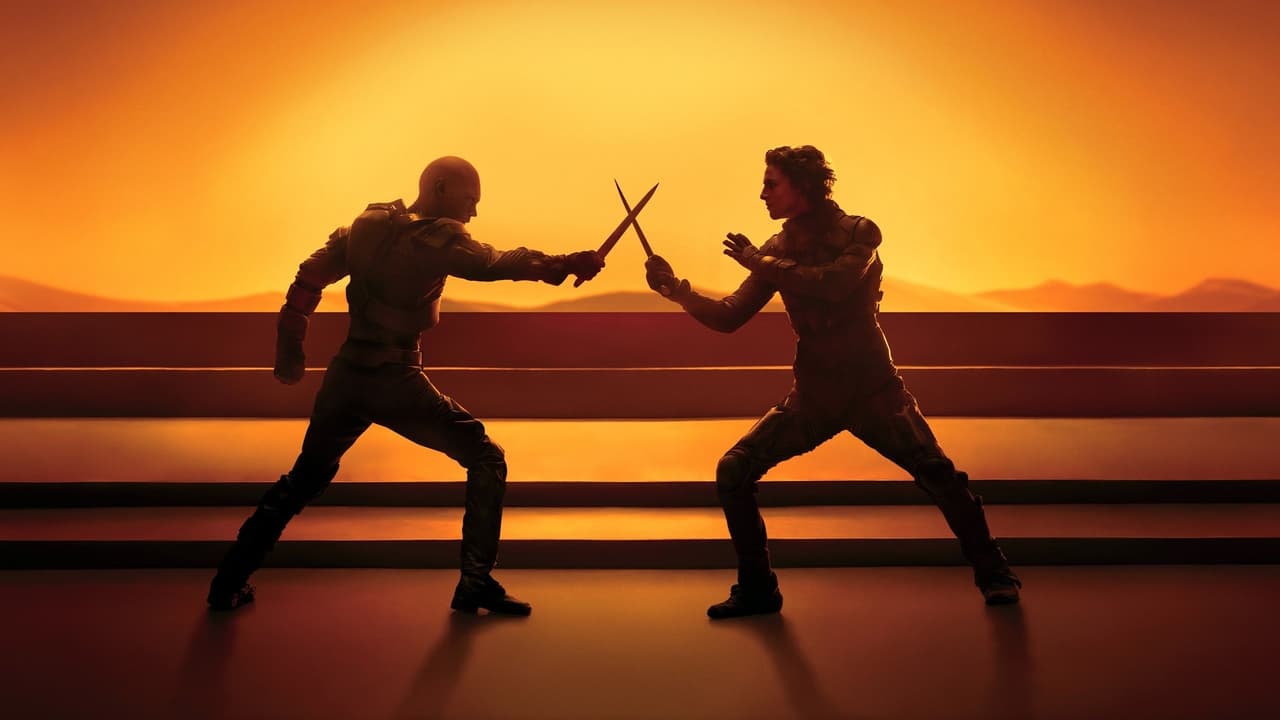
Visually, Denis Villeneuve and cinematographer Greig Fraser (who also lensed The Batman) are operating on a level that makes most other contemporary blockbusters look like they were filmed in a parking lot. The standout sequence remains the introduction of Feyd-Rautha, played with a terrifying, reptilian intensity by Austin Butler. To depict the Harkonnen home world of Giedi Prime, the production used specialized infrared cameras to create a stark, bone-white aesthetic that feels like looking at a solar eclipse through a dirty window. It is profoundly unsettling and utterly unique in modern sci-fi.
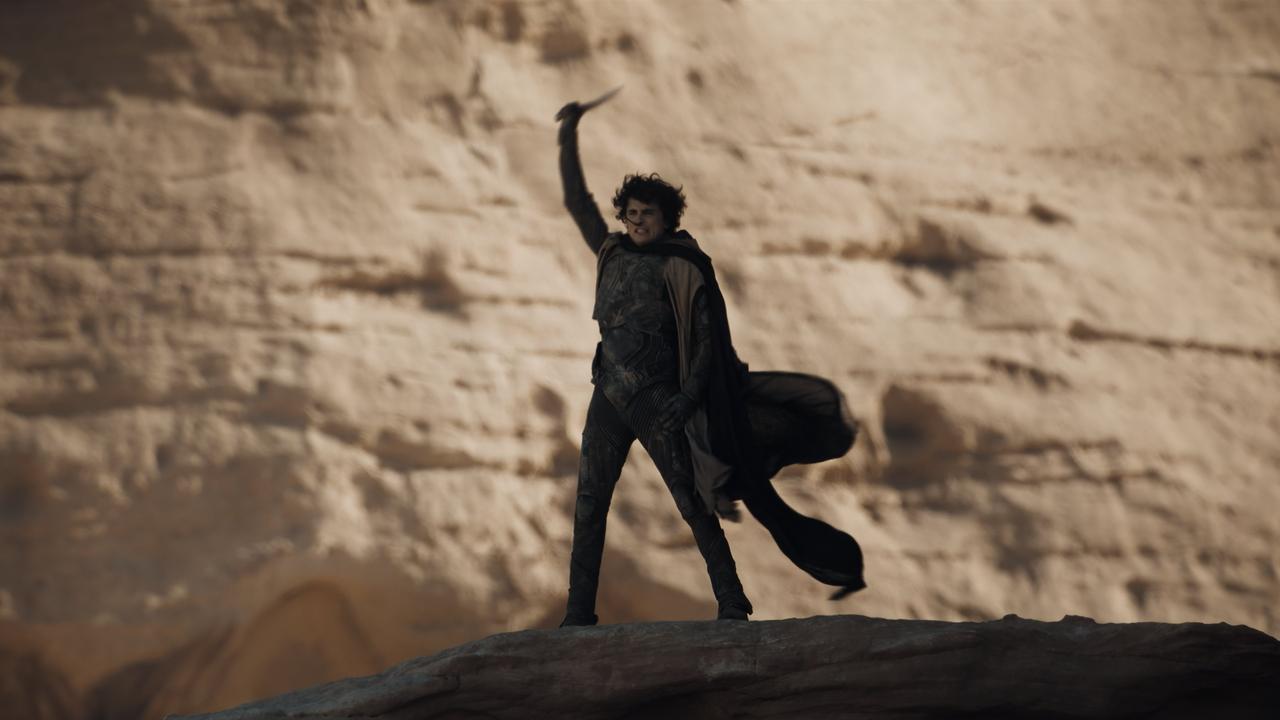
The scale is bolstered by the fact that the production actually went to the desert. This wasn't shot on a "Volume" or a green screen stage in Atlanta; the cast was out in the heat of Jordan and Abu Dhabi. That physical reality translates to the screen. When you see Josh Brolin or Rebecca Ferguson covered in dust, it’s because they actually were. Apparently, to capture the iconic worm-riding sequences, the crew built a "Worm Unit" that spent months filming on a massive physical rig called a "shaker" to ensure the physics of sand-surfing looked tangible rather than digital.
The Sound of Inevitability
We have to talk about Hans Zimmer. His score doesn't just accompany the film; it colonizes your eardrums. He reportedly never stopped composing after the first film wrapped, obsessed with finding new "otherworldly" sounds for the sequel. The result is a sonic landscape of guttural chants and metallic shrieks that makes the 167-minute runtime feel like a fever dream.
In our current streaming-dominated world, where films often feel like "content" designed to be consumed while scrolling on a phone, Dune: Part Two demands total surrender. It’s a film that respects the audience’s intelligence, grappling with the philosophical rot of colonialism and the dangers of charismatic leadership. It’s a $190 million art house film disguised as a summer blockbuster. It managed to pull in over $714 million at the global box office, proving that audiences are actually hungry for challenging, cerebral experiences if they’re delivered with this much craft and conviction.
This is the kind of cinema that reminds me why we still go to the theater. It isn't just a sequel; it’s a completion of a vision that felt impossible to film for nearly fifty years. By the time the credits roll, you don't feel like you've just watched a movie; you feel like you’ve survived a pilgrimage. It is a towering achievement of the 2020s that will be dissected by sci-fi nerds and film students for decades to come.

Keep Exploring...
-

Dune
2021
-

Guardians of the Galaxy Vol. 3
2023
-

Spider-Man: Across the Spider-Verse
2023
-

Everything Everywhere All at Once
2022
-
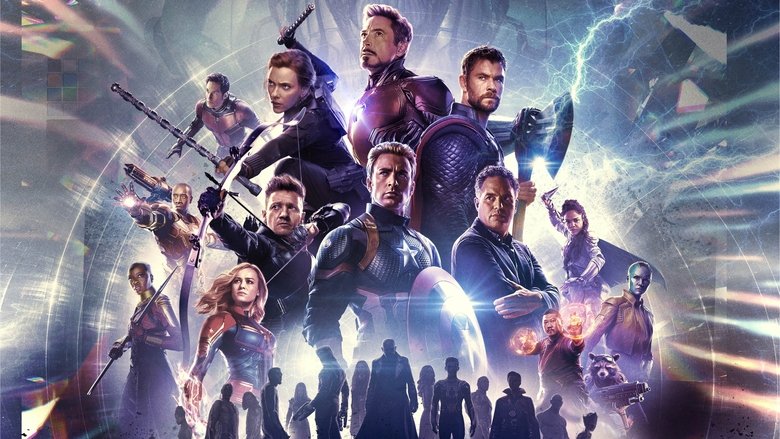
Avengers: Endgame
2019
-
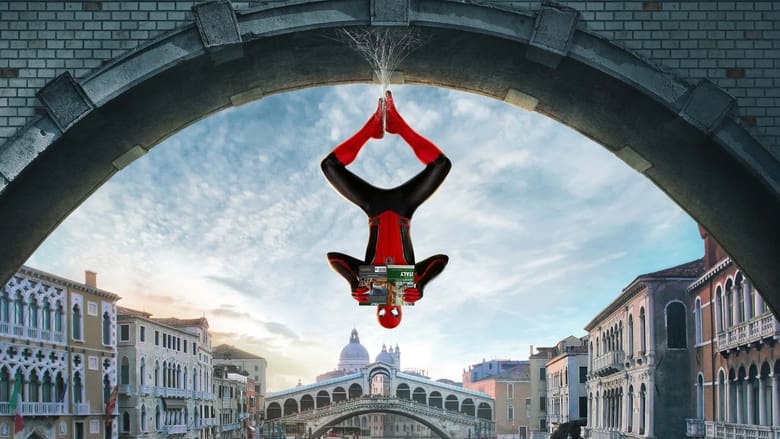
Spider-Man: Far From Home
2019
-
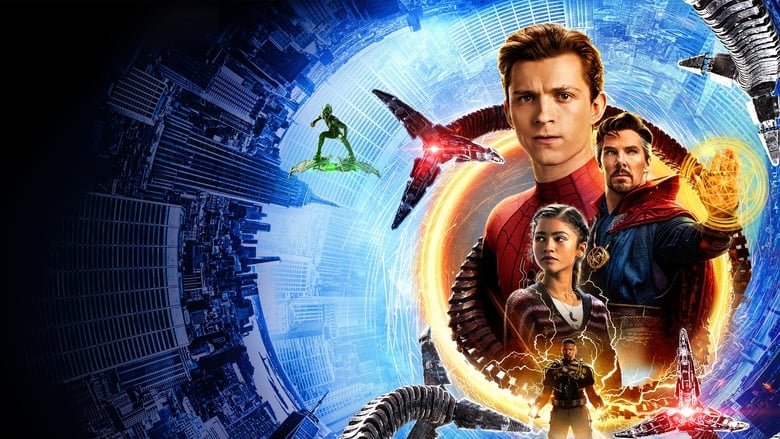
Spider-Man: No Way Home
2021
-
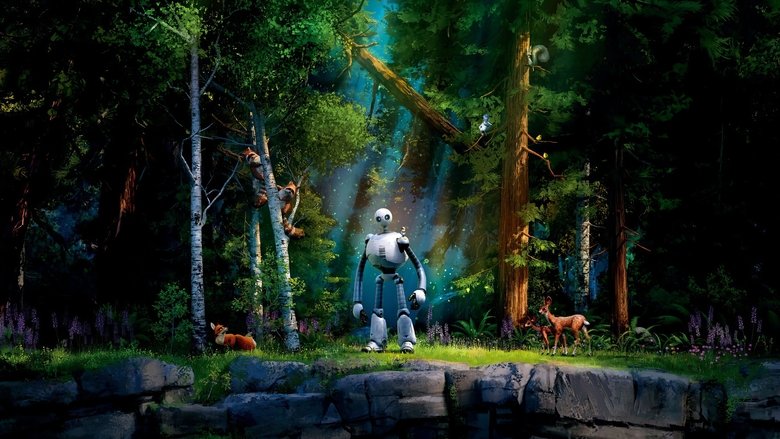
The Wild Robot
2024
-
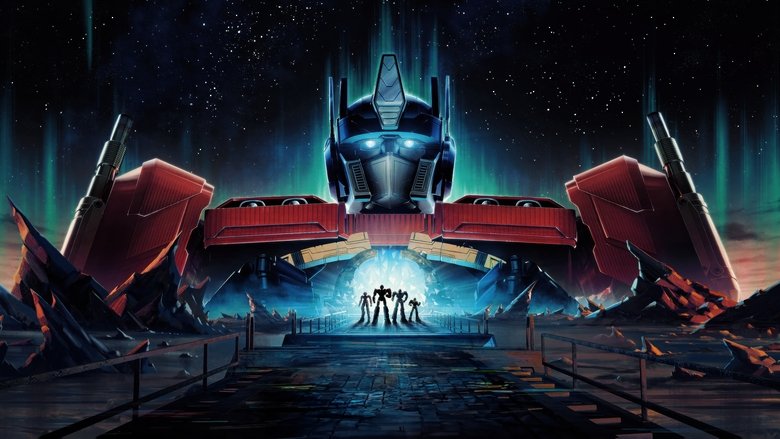
Transformers One
2024
-
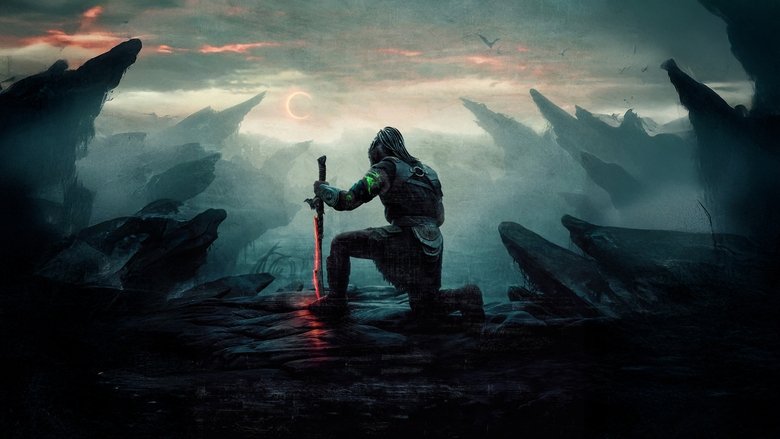
Predator: Badlands
2025
-
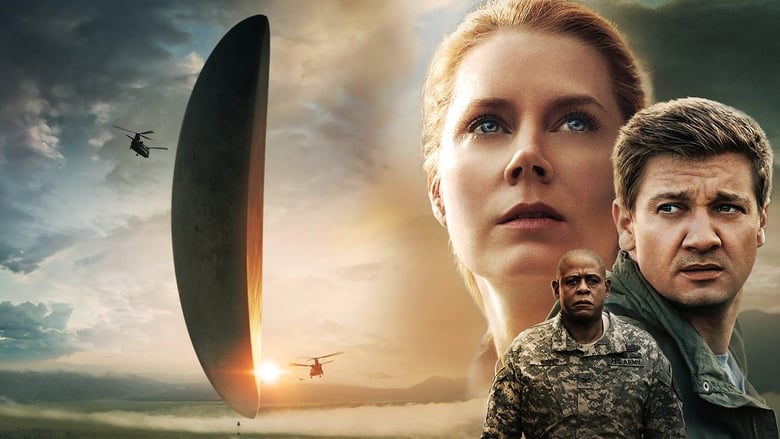
Arrival
2016
-

Free Guy
2021
-

Avatar: The Way of Water
2022
-

Minions: The Rise of Gru
2022
-

Avatar: Fire and Ash
2025
-
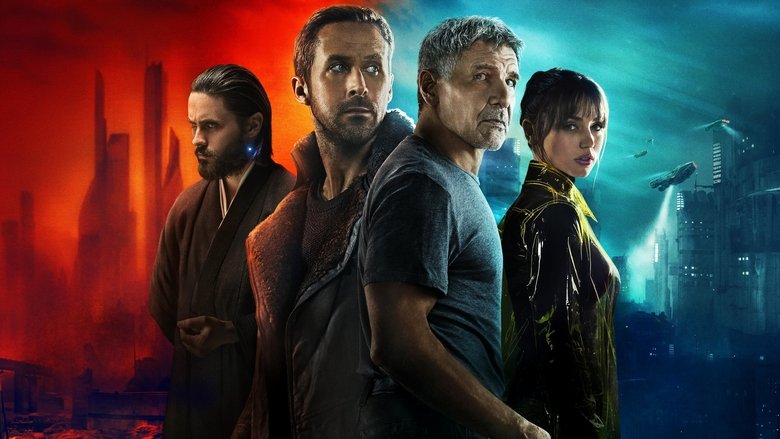
Blade Runner 2049
2017
-
Guardians of the Galaxy Vol. 2
2017
-
Spider-Man: Homecoming
2017
-
Avengers: Infinity War
2018
-
Finch
2021