Kingdom of the Planet of the Apes
"Evolution doesn't end with us."
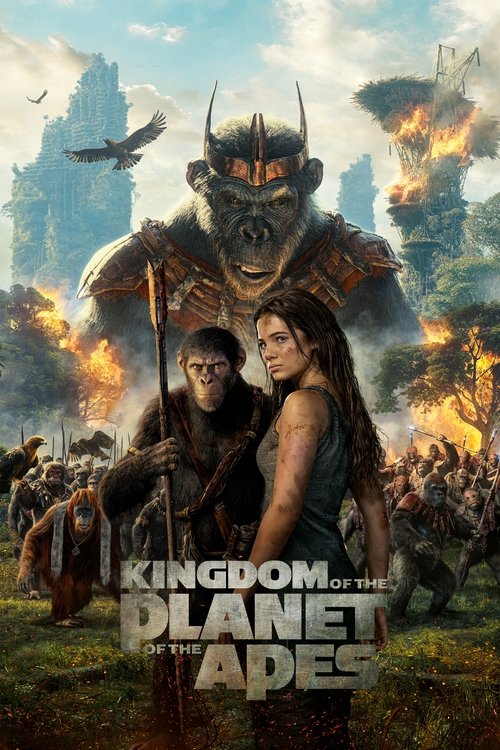
The shadow of a legend is a difficult place to grow. For seven years, the Planet of the Apes franchise rested on the laurels of one of the most consistent trilogies in modern cinema. We watched Caesar go from a lab-born revolutionary to a Moses-like savior, and his death felt like a definitive period at the end of a grand sentence. Walking into Kingdom of the Planet of the Apes, I felt that familiar twinge of "franchise fatigue" creeping in. Did we really need to go back? Was there any juice left in this post-human orange?
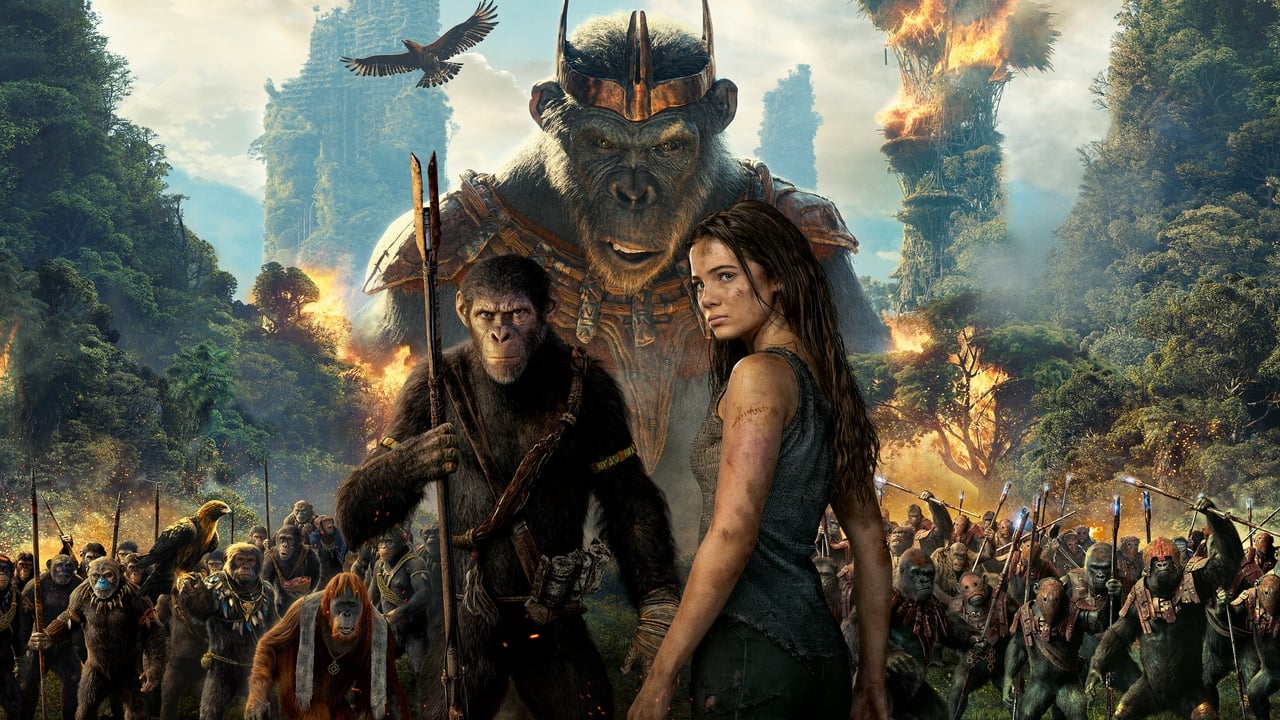
I watched this in a nearly empty theater next to a kid who was wearing a plastic "I'm the Birthday Boy" crown, which felt strangely appropriate given the film’s focus on the corruption of royal legacies. As the lights dimmed and the familiar Wētā-powered fur textures filled the screen, my cynicism didn't just evaporate—it was swung away by a tribe of eagle-training chimpanzees.
A Brave New World (Literally)
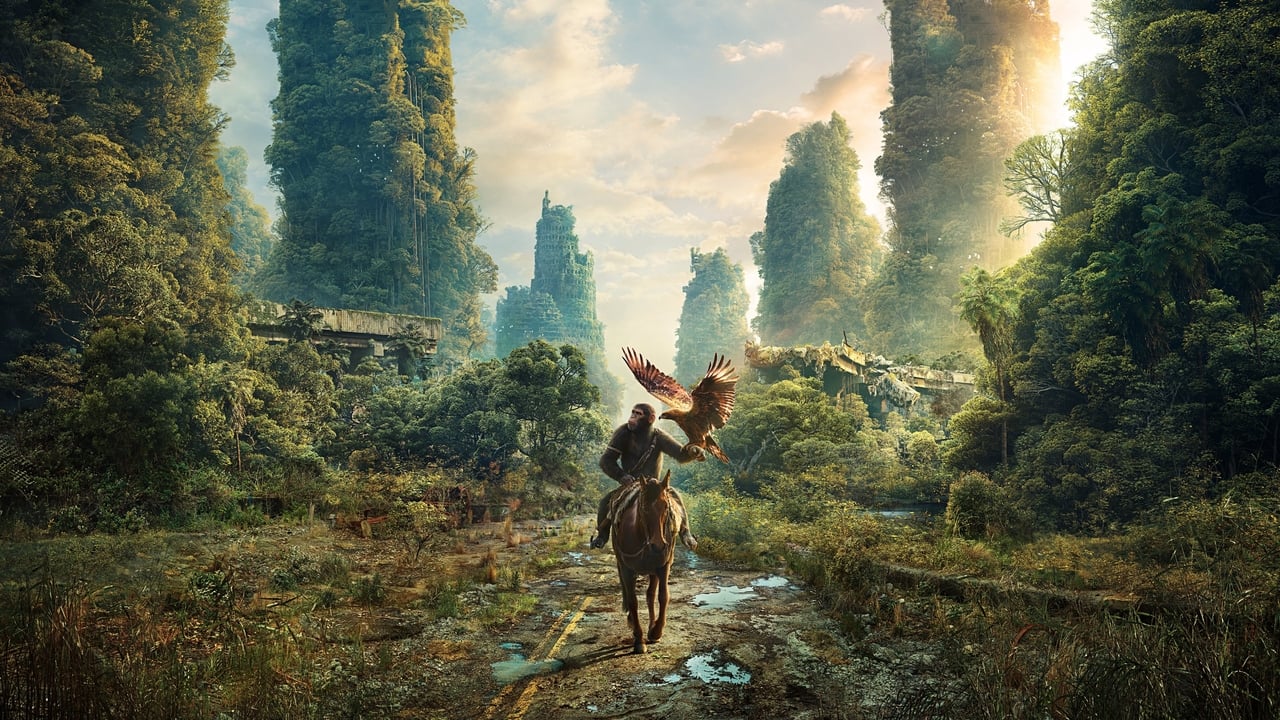
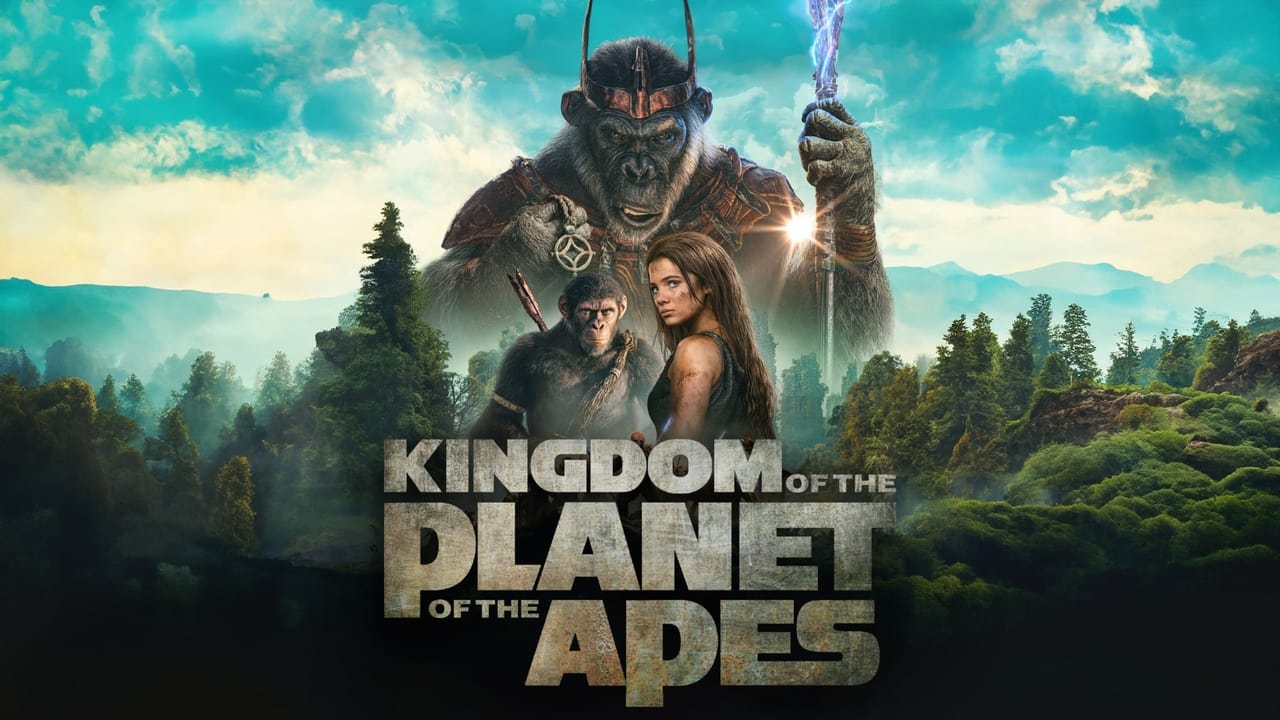
Director Wes Ball—known for the Maze Runner series—steps into the massive shoes of Matt Reeves and Rupert Wyatt, but he doesn't try to mimic their gloom. Instead, he paints a world that is lush, vibrant, and terrifyingly beautiful. We are "many generations" after Caesar, and the world has reclaimed itself. Skyscrapers are now literal trellises for greenery, and the human "smart" age is a myth buried under layers of silt and silence.
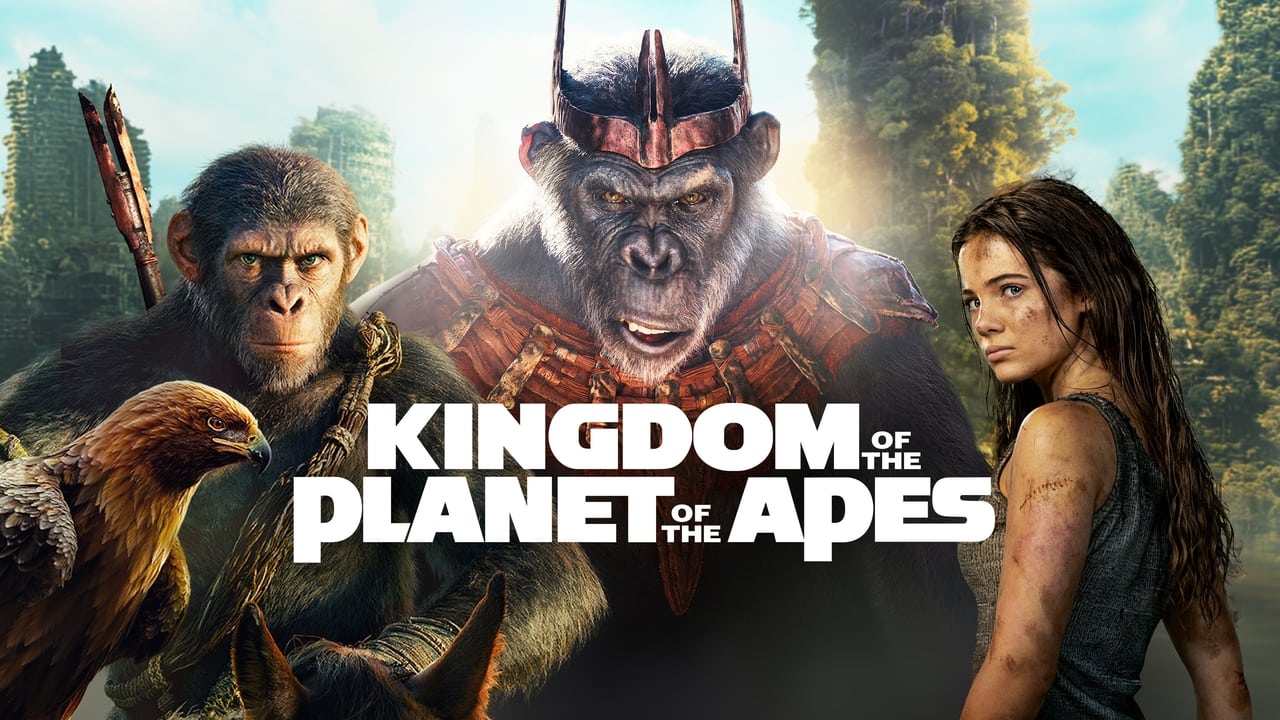
The story follows Noa, played by Owen Teague via a performance capture that is nothing short of sorcery. Noa is a young chimp from the Eagle Clan, a peaceful group that lives in towering wooden structures and treats birds of prey like family pets. When his village is razed by a marauding army of apes wearing masks and wielding "lightning sticks," Noa is forced on a journey across a world he doesn't understand.
The action here is staged with a refreshing sense of geography. In an era where big-budget fights often devolve into "CGI soup," Wes Ball keeps the camera wide. The opening sequence, involving a high-stakes climb to find an eagle egg, is a masterclass in tension and verticality. I found myself gripping my armrests as Noa leaped across rotting metal beams. This movie proves that we don’t need human protagonists to feel human emotions.
The Burden of History
The "Kingdom" of the title belongs to Proximus Caesar, played with delicious, scenery-chewing brilliance by Kevin Durand. Proximus has twisted the original Caesar’s "Apes Together Strong" mantra into a justification for slavery and conquest. He’s obsessed with "human evolutions"—specifically their guns and bunkers—and he’s essentially a cult leader with a crown. Proximus Caesar is the most charismatic villain of the year, and every second he’s off-screen, you’re waiting for him to stomp back in and demand "What a wonderful day!"
Along the way, Noa teams up with Raka, an orangutan played by Peter Macon who serves as the keeper of Caesar’s true history. Raka is the heart of the film, providing much-needed levity and a bridge to the past. They eventually find Mae (Freya Allan), a "feral" human who isn't nearly as simple as she appears.
The dynamic between Noa and Mae is where the film gets its contemporary edge. Unlike the earlier films where humans were either the oppressors or the helpless pets, Mae is a survivor of a dying species playing a very dangerous game. The film leans into the current cultural anxiety about who gets to tell the story of the past. It’s a "legacy sequel" that actually questions what a legacy is worth when it’s used as a weapon.
The Craft of the Ape
While the screenplay by Josh Friedman hits a few predictable beats in the second act, the technical execution is flawless. We’ve reached a point where the CGI is so seamless that you stop thinking about the tech and start thinking about the acting. Kevin Durand apparently based Proximus on self-help gurus and Tony Robbins, and you can see that unsettling "motivational" energy in every digital muscle twitch.
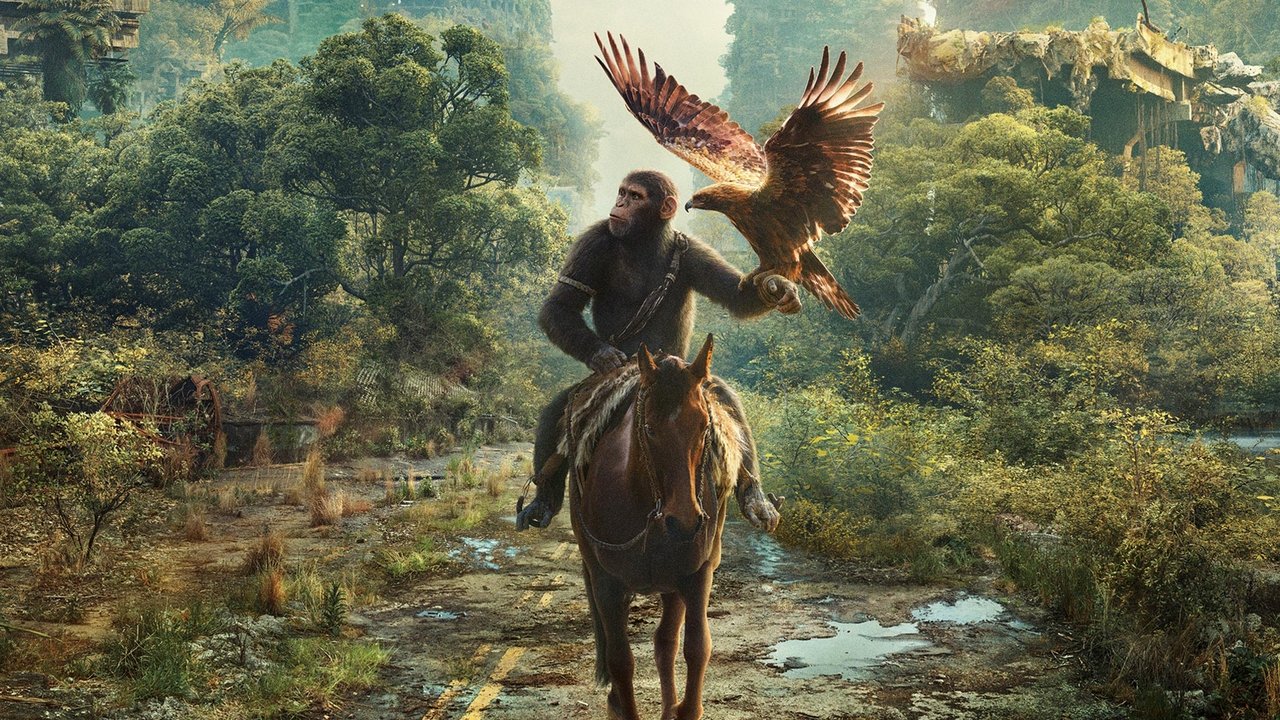
Interestingly, while many modern blockbusters are retreating to the "LED Volume" (the big 360-degree screens used in The Mandalorian), Wes Ball insisted on shooting on location in Australia. That physical reality makes a world of difference. When the apes are standing in real mud and drenched in real rain, the immersion is total.
The "Ape School" training the actors underwent is also visible in the physicality. Eka Darville, who plays the villainous gorilla Sylva, moves with a terrifying weight that feels entirely distinct from Owen Teague’s more agile, hesitant movements. Even William H. Macy shows up as a human who has "integrated" into ape society, providing a cynical, booze-soaked look at what happens when humanity finally gives up the ghost.
Kingdom of the Planet of the Apes is a sturdy, visually spectacular entry that justifies its existence by asking what happens when a revolution becomes a religion. It’s a bit long at 145 minutes, and it lacks the raw, Shakespearean tragedy of the Reeves films, but it’s a thrilling adventure that respects its audience’s intelligence. It’s a reminder that even in an era of franchise saturation, there’s still room for a story that takes its time to build a world worth exploring. If this is the start of a new trilogy, I’m surprisingly ready to go back to the zoo.
Keep Exploring...
-

The Fantastic 4: First Steps
2025
-
Maze Runner: The Scorch Trials
2015
-
Maze Runner: The Death Cure
2018
-
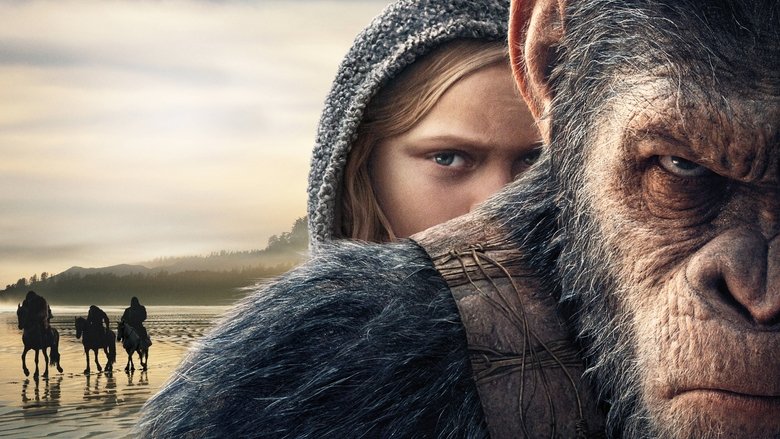
War for the Planet of the Apes
2017
-
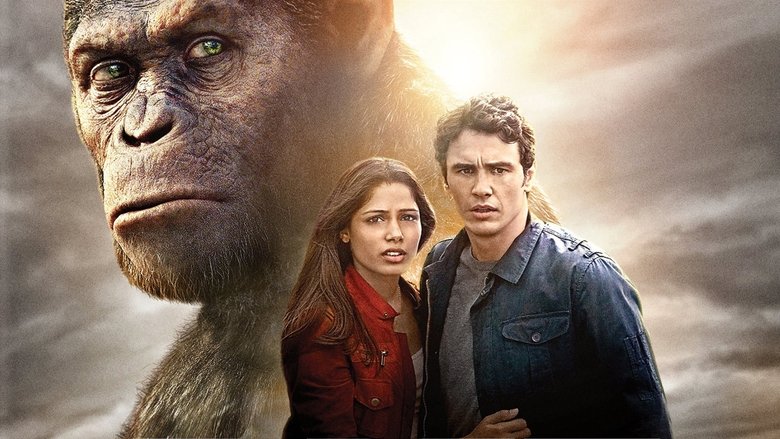
Rise of the Planet of the Apes
2011
-
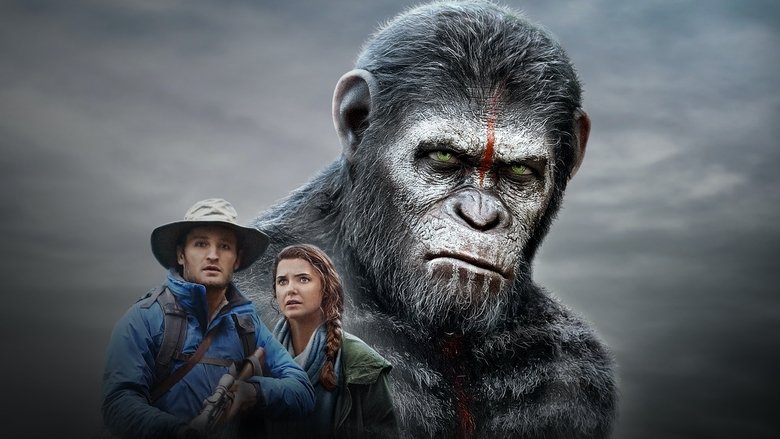
Dawn of the Planet of the Apes
2014
-

Alita: Battle Angel
2019
-
Gemini Man
2019
-
Star Wars: The Rise of Skywalker
2019
-
Terminator: Dark Fate
2019
-
Underwater
2020
-
Black Widow
2021
-
Eternals
2021
-
Godzilla vs. Kong
2021
-
The Matrix Resurrections
2021
-
The Tomorrow War
2021
-
Black Adam
2022
-
Jurassic World Dominion
2022
-
Moonfall
2022
-
Ant-Man and the Wasp: Quantumania
2023