MaXXXine
"A star is born in a pool of blood."
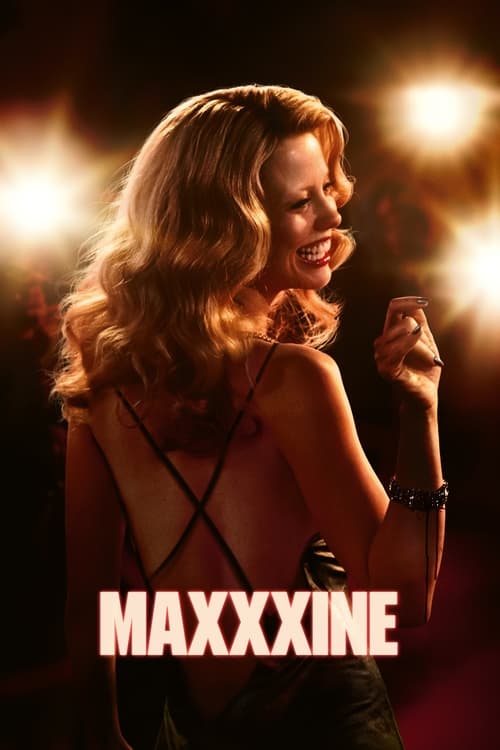
I walked into the theater to see MaXXXine wearing a sweatshirt I’d accidentally spilled bleach on, which felt strangely appropriate for a movie that spends half its runtime scrubbing the grime of 1980s Los Angeles into the viewer's retinas. It was a Tuesday matinee, and the only other person in the room was a guy eating a bag of baby carrots so loudly it sounded like he was chewing on gravel. Oddly enough, the rhythmic crunch-crunch-crunch matched the jagged, synth-heavy pulse of Tyler Bates’ score perfectly.
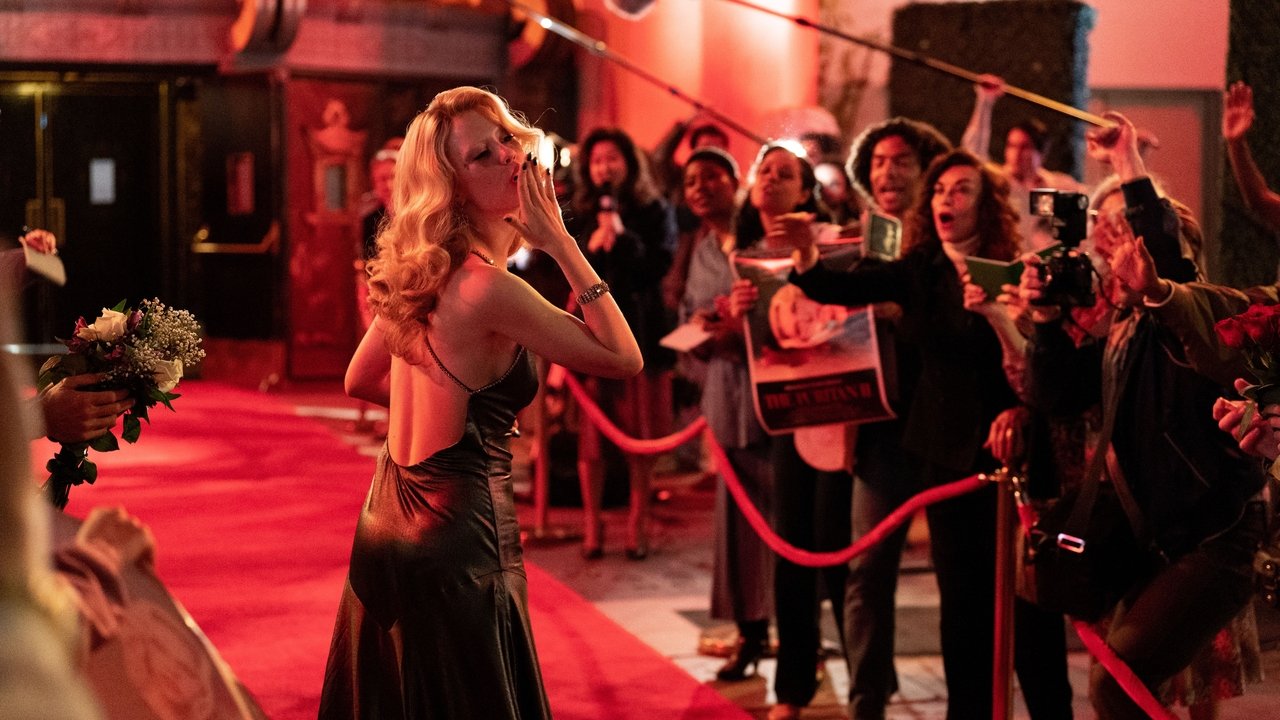
The Grime of the Golden Age
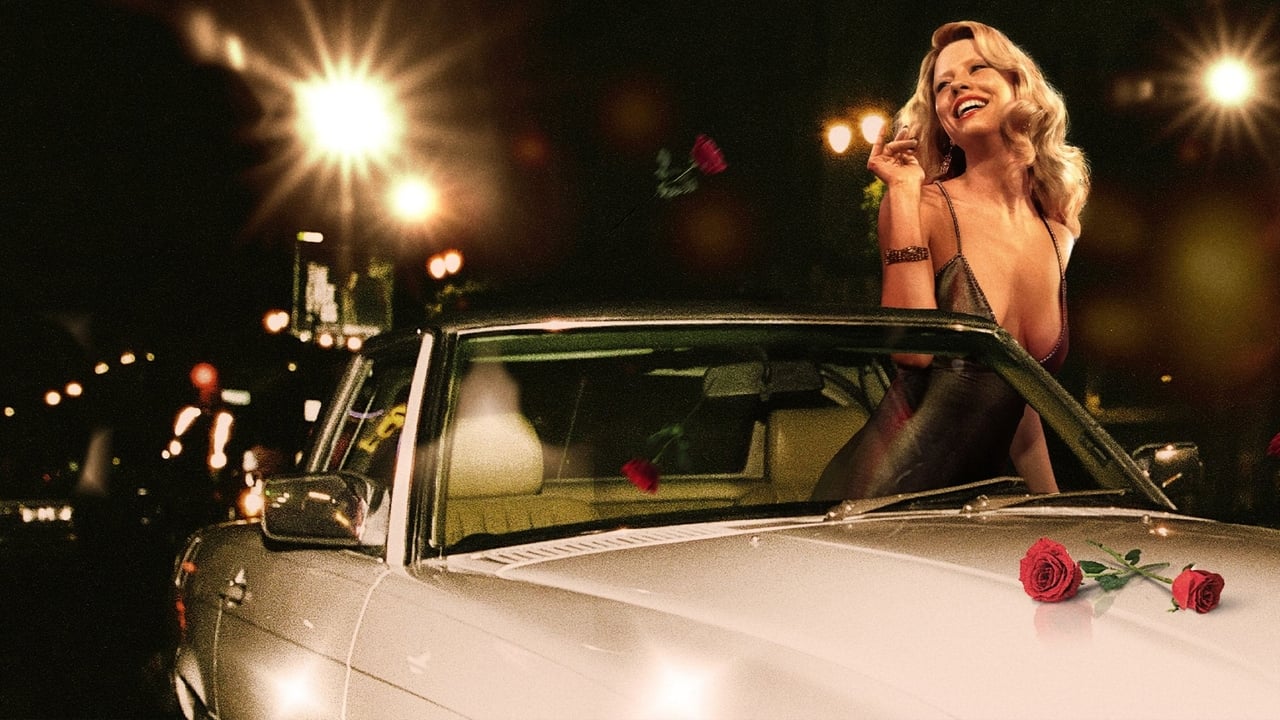
After the sweat-soaked slasher vibes of X and the Technicolor breakdown of Pearl, Ti West completes his unlikely trilogy by moving the party to 1985 Hollywood. We find Maxine Minx (Mia Goth) no longer filming "The Farmer’s Daughters" in a barn, but auditioning for big-budget horror sequels and snorting lines off vanity mirrors. She’s on the verge of becoming a legitimate star, but there’s a problem: the "Night Stalker" is terrorizing the city, and someone specifically seems to be targeting Maxine’s circle of friends.
What I love about this era of Ti West’s career is how he treats genre like a costume shop. MaXXXine isn't just a horror movie; it’s a sleazy, neon-soaked Giallo thriller filtered through a VHS rental store’s "Cult" section. The cinematography by Eliot Rockett is stunning—it captures that specific, hazy Los Angeles smog that makes every sunset look like it’s bleeding. It feels like a movie that’s been sitting on a shelf behind a curtain in a video store since 1987, and I mean that as the highest possible compliment.
A Star is a Threat
At the center of it all is Mia Goth, who has officially cemented herself as the high priestess of modern genre cinema. Maxine is not your typical "final girl." In fact, she’s probably the most dangerous person in any room she walks into, and watching her navigate the predatory landscape of Hollywood with a "don't mess with me" sneer is incredibly cathartic. She doesn't just want to survive; she wants to be famous, and she’s willing to step over as many bodies as necessary to get her name on the marquee.
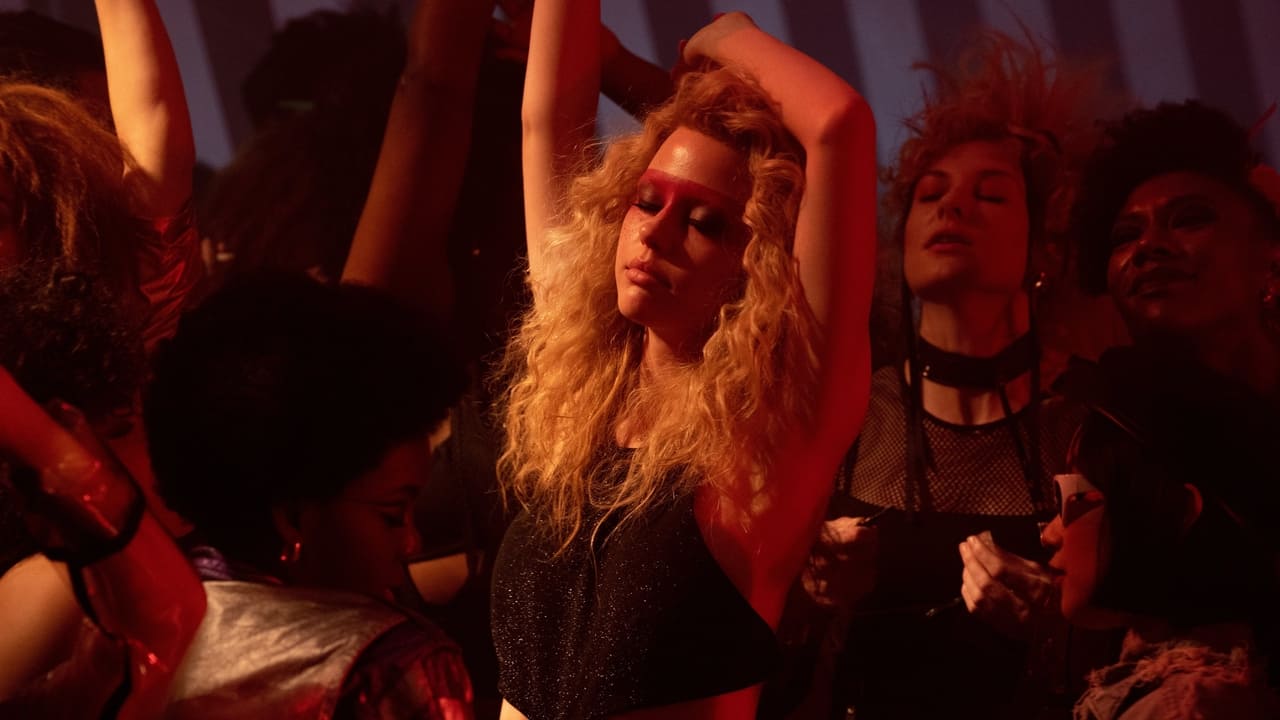
The supporting cast is an absolute riot of "hey, it’s that person!" energy. Elizabeth Debicki is towering and icy as Elizabeth Bender, a demanding film director who represents the "legitimate" art world Maxine is trying to break into. Then you have the detective duo played by Michelle Monaghan and Bobby Cannavale, who feel like they stepped straight out of a hard-boiled police procedural. Cannavale, in particular, seems to be having the time of his life chewing on the scenery (and his gum). Halsey also pops up as Tabby, Maxine’s friend, proving that her transition into acting is more than just a vanity project—she fits the 80s aesthetic like a glove.
The Problem with the Reveal
However, we need to talk about the contemporary "franchise" problem. Because this is the third film in a trilogy, there’s a certain expectation for a "grand finale" feel. While the first two acts are a masterclass in atmosphere and tension, the third act takes a turn that might divide people. The actual identity of the killer feels like a bit of a wet firework compared to the build-up. It’s one of those instances where the vibe of the mystery is significantly more interesting than the solution to it.
In this current era of "elevated horror" and A24’s dominance, there’s often a pressure for these films to be about something profound—grief, trauma, social decay. MaXXXine touches on the Satanic Panic and the exploitation of women in the industry, but at its heart, it’s a celebration of the "Final Girl" as an aggressor. It’s a movie about the sheer, bloody-minded ambition required to stay relevant in a town that wants to eat you alive. It doesn't quite reach the emotional heights of Pearl, but it’s a much more fun, kinetic experience.
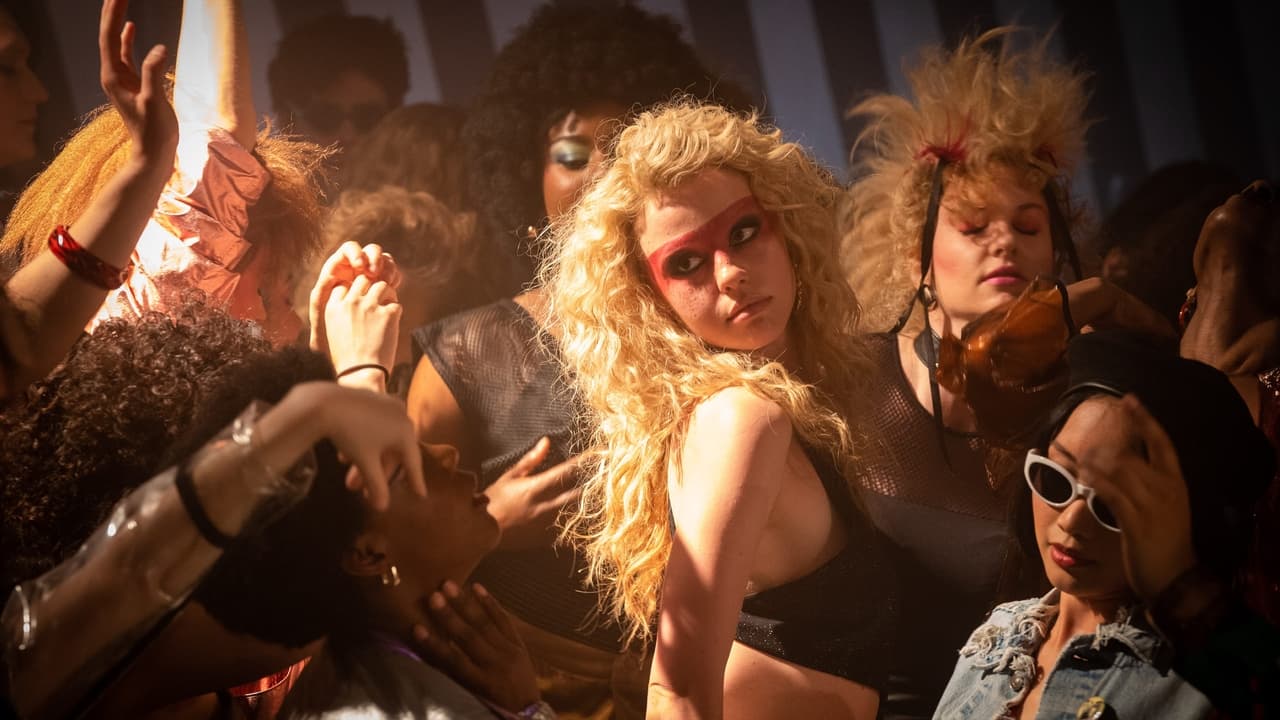
Stuff You Didn't Notice
If you look closely during the studio lot scenes, you’ll see some incredible nods to horror history. They actually filmed on the Universal Studios backlot, using the famous Psycho house and the Bates Motel. It’s a meta-commentary on the industry itself—Maxine is literally walking through the ruins of old horror to build her new career. Also, Mia Goth’s involvement as a producer here is a big deal in the "post-#MeToo" landscape of Hollywood; she’s not just the face of the franchise, she’s the one holding the keys to the kingdom. It’s a level of creative control that feels very "now," even when the movie is looking back.
Ultimately, MaXXXine is a neon-drenched victory lap for Ti West and Mia Goth. It’s a movie that understands that cinema is often at its best when it's a little bit dangerous, a little bit gross, and a lot bit stylish. While the ending doesn't quite stick the landing for me, the journey through the sleazy streets of 80s LA is so well-executed that I’d gladly go back for a double feature. If you’re looking for a film that captures the current cultural obsession with "the grind" while paying tribute to the slashers of old, this is your ticket.

Keep Exploring...
-

Pearl
2022
-

X
2022
-
Abigail
2024
-
Haunt
2019
-
The Prodigy
2019
-
Color Out of Space
2020
-
Gretel & Hansel
2020
-
Willy's Wonderland
2021
-

Hellraiser
2022
-

The Invitation
2022
-
Watcher
2022
-

Immaculate
2024
-

Speak No Evil
2024
-

The Long Walk
2025
-
Wolf Man
2025
-

47 Meters Down: Uncaged
2019
-
Polaroid
2019
-
The Silence
2019
-

Synchronic
2020
-

The Lodge
2020