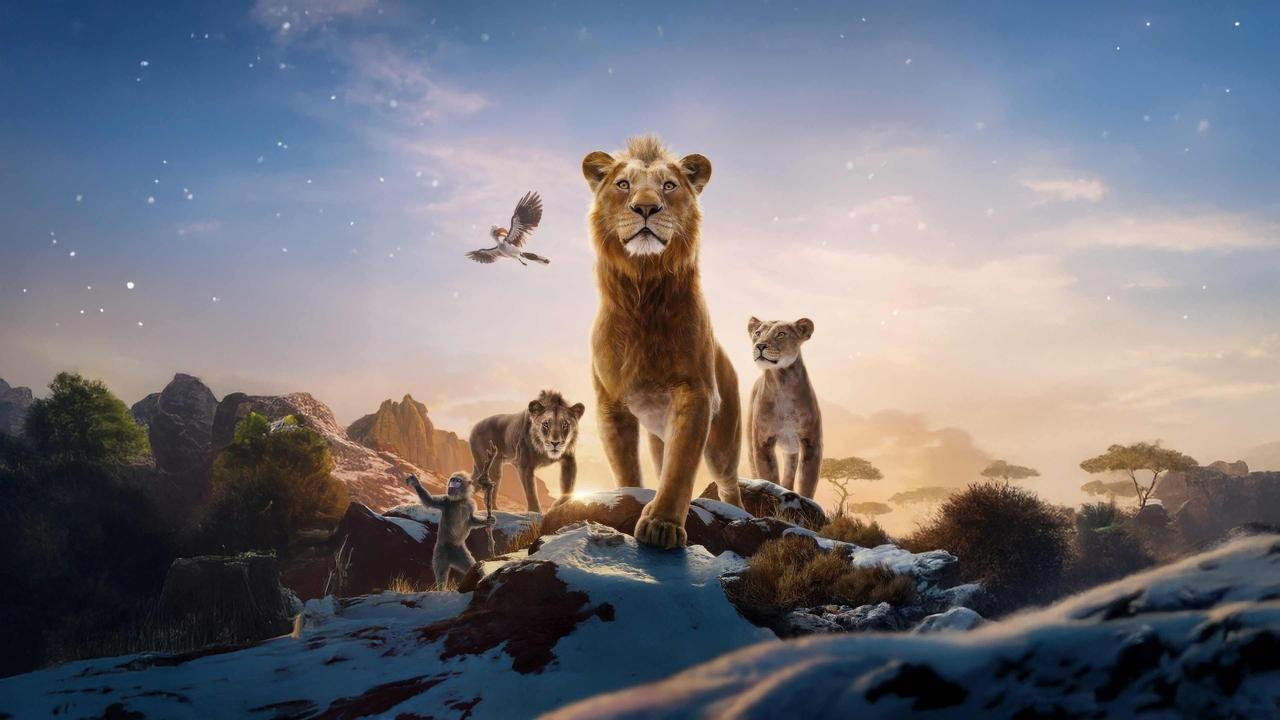
Mufasa: The Lion King
"Before the pride, there was the path."
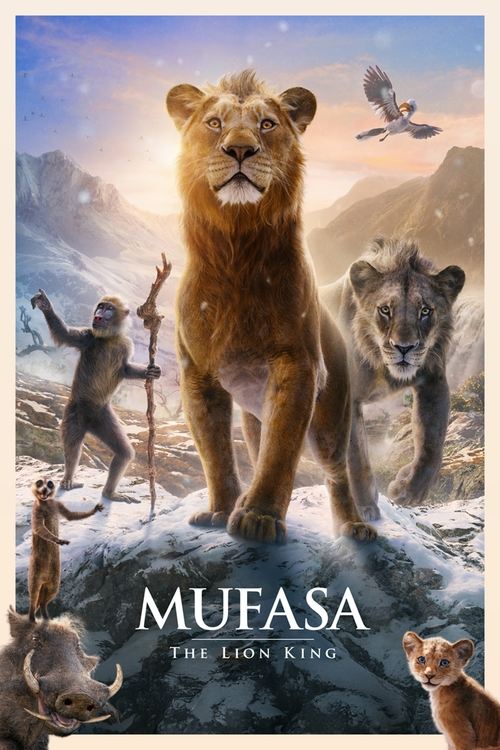
The sun rises over the Pride Lands with a precision that only two hundred million dollars and a small army of render farms can buy. But this time, the golden hour feels different. It doesn’t just feel like a corporate mandate; it feels like a Barry Jenkins film. There is a strange, flickering magic in seeing the man who gave us the neon-soaked intimacy of Moonlight tackle the origin story of a lion king. It’s the ultimate "one for them, one for me" career move, yet Jenkins treats the savanna like a stage for a Shakespearean tragedy rather than a mere toy commercial.
I watched this in a theater where the air conditioning was set to "Arctic Tundra," making me regret my decision to wear shorts, but somehow the chill made the mountain sequences feel like 4D cinema. Despite my frozen knees, I found myself leaning in.
The Indie King in the Virtual Jungle
We live in an era of franchise saturation where "content" often replaces "cinema," and the 2019 Lion King was the poster child for that fatigue. It was technically impressive but emotionally hollow—a shot-for-shot remake that forgot to bring the soul. Jenkins, however, isn’t interested in carbon copies. He uses the prequel format to actually build a world.
The story follows a young, orphaned Mufasa, voiced with a regal yet vulnerable gravel by Aaron Pierre. He isn't the stoic monument we know from the original; he’s a "lost cub" who finds an unlikely brother in Taka (Kelvin Harrison, Jr.), the prince who will eventually become Scar. Their chemistry is the engine of the film. It’s a road trip movie, essentially, as a group of misfits searches for a home. By the time Blue Ivy Carter pops up as Kiara (listening to the story being told by Kagiso Lediga’s Rafiki), the film has established a generational weight that feels earned rather than forced.
Photorealism With a Pulse
The "uncanny valley" has haunted these Disney remakes since their inception. If a lion looks real, can it truly express the grief of a Shakespearean exile? Jenkins and cinematographer James Laxton (who has been Jenkins' secret weapon since film school) try to solve this by focusing on light and texture over exaggerated facial muscles. They used a virtual production setup—similar to the "Volume" used in The Mandalorian—which allowed them to treat the digital environment like a real location.
There are moments here that are genuinely breathtaking. A sequence involving a flooded canyon is basically a Nature Channel documentary where the lions have identity crises and better agents. But more than the water physics, it’s the way the camera lingers on the grass or the dust in the air. It feels tactile. Jenkins brings his signature "slow cinema" sensibilities to a blockbuster, proving that even in a digital void, you can find a sense of place if you have a director who knows how to look for it.
The $200 Million Gamble
Disney wasn’t just selling a movie here; they were defending a kingdom. Following a string of post-pandemic stumbles, the pressure on Mufasa was immense. The production was a massive undertaking, involving over 1,500 visual effects artists. Interestingly, Jenkins took the job partly because his sister, who was raising her kids, told him he needed to make something they could actually watch. It’s a reminder that even at this scale, the "behind-the-scenes" story is often just a person trying to connect with their family.
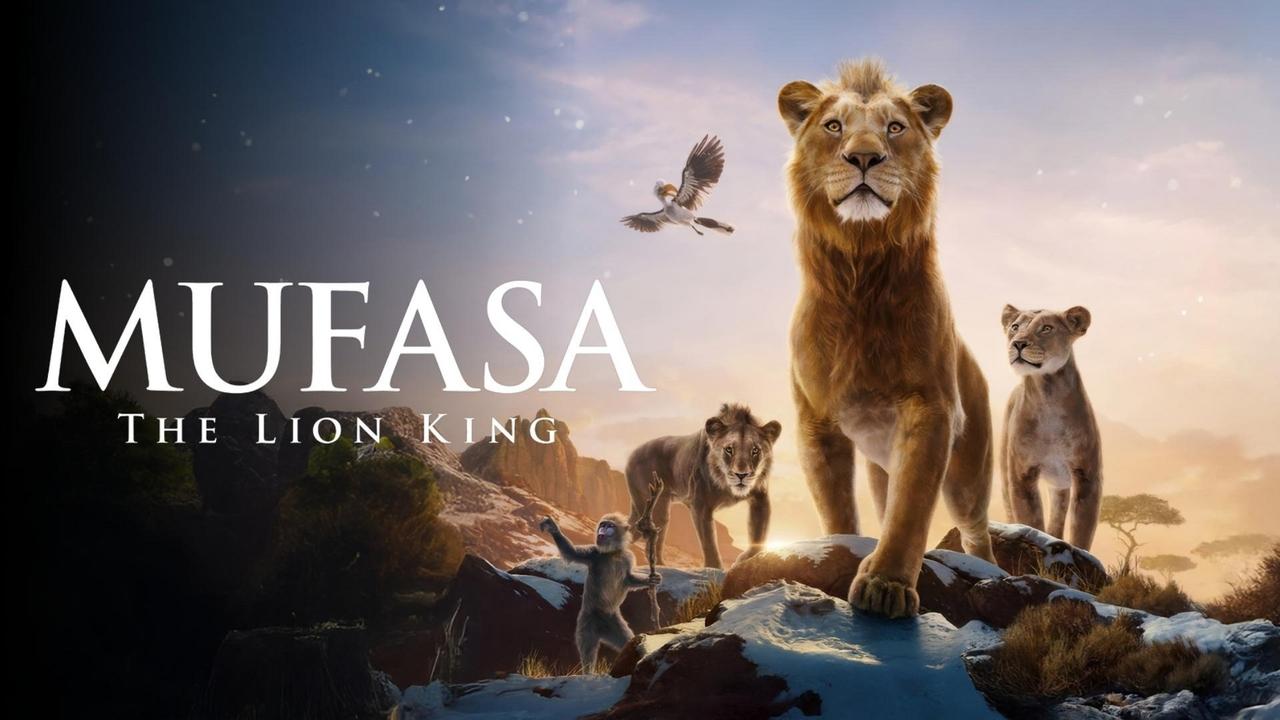
The film also navigates the tricky waters of contemporary representation. In an era where audiences demand more than just "legacy," the casting of Aaron Pierre and Kelvin Harrison, Jr.—two of the most exciting Black actors working today—gives the film a contemporary resonance. Their voices carry a weight that isn’t just about mimicking James Earl Jones; it’s about establishing a new lineage. The box office haul of $722 million shows that while "franchise fatigue" is real, it hasn't quite claimed the Pride Lands yet, provided there's a steady hand at the tiller.
Mufasa: The Lion King is that rare beast: a prequel that actually makes the original film better by adding layers to its mythology. It’s not a masterpiece, and it still suffers from the inherent limitations of the "live-action" animal aesthetic, but Barry Jenkins’ soul is visible through the pixels. It turns a corporate IP exercise into a sweeping adventure about the families we choose. If you can handle the photorealistic lions and the occasional musical number, it’s a journey worth taking, even if you’re shivering in a frozen theater.

Keep Exploring...
-
The Lion King
2019
-
The Super Mario Bros. Movie
2023
-
Frozen II
2019
-
How to Train Your Dragon: The Hidden World
2019
-
The Secret Life of Pets 2
2019
-
Toy Story 4
2019
-
The Croods: A New Age
2020
-

Minions: The Rise of Gru
2022
-
Puss in Boots: The Last Wish
2022
-
The Bad Guys
2022
-
Migration
2023
-
Inside Out 2
2024
-
Kung Fu Panda 4
2024
-
Moana 2
2024
-

The Garfield Movie
2024
-
Zootopia 2
2025
-
Kung Fu Panda 3
2016
-
PAW Patrol: The Movie
2021
-
The Boy and the Heron
2023
-
Minions
2015