Rebel Moon - Part Two: The Scargiver
"Harvest the grain, spill the blood, and cue the slow-mo."
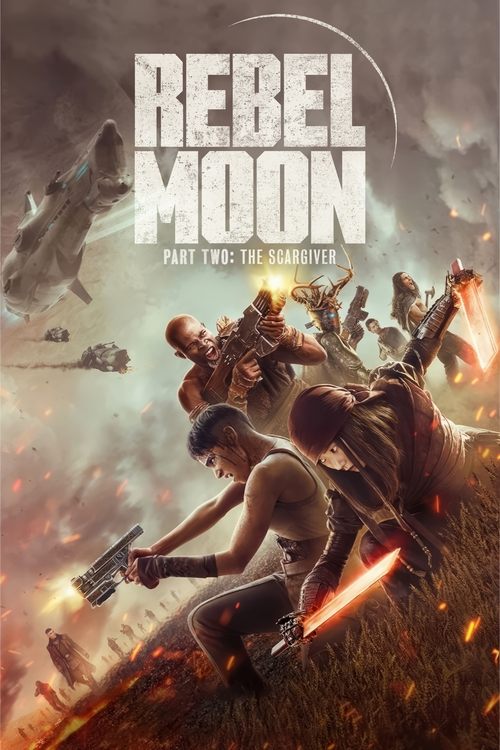
Watching Zack Snyder’s Rebel Moon - Part Two: The Scargiver feels like witnessing a high-stakes experiment in how much digital wheat a single director can render before the audience starts checking their watches. While I watched this, my radiator started making a rhythmic clanking sound that perfectly synced up with the film’s drum-heavy score, and for about twenty minutes, I wasn't sure if the percussion was coming from the Motherworld’s dreadnought or my apartment’s failing plumbing. It was the most immersive part of the experience.
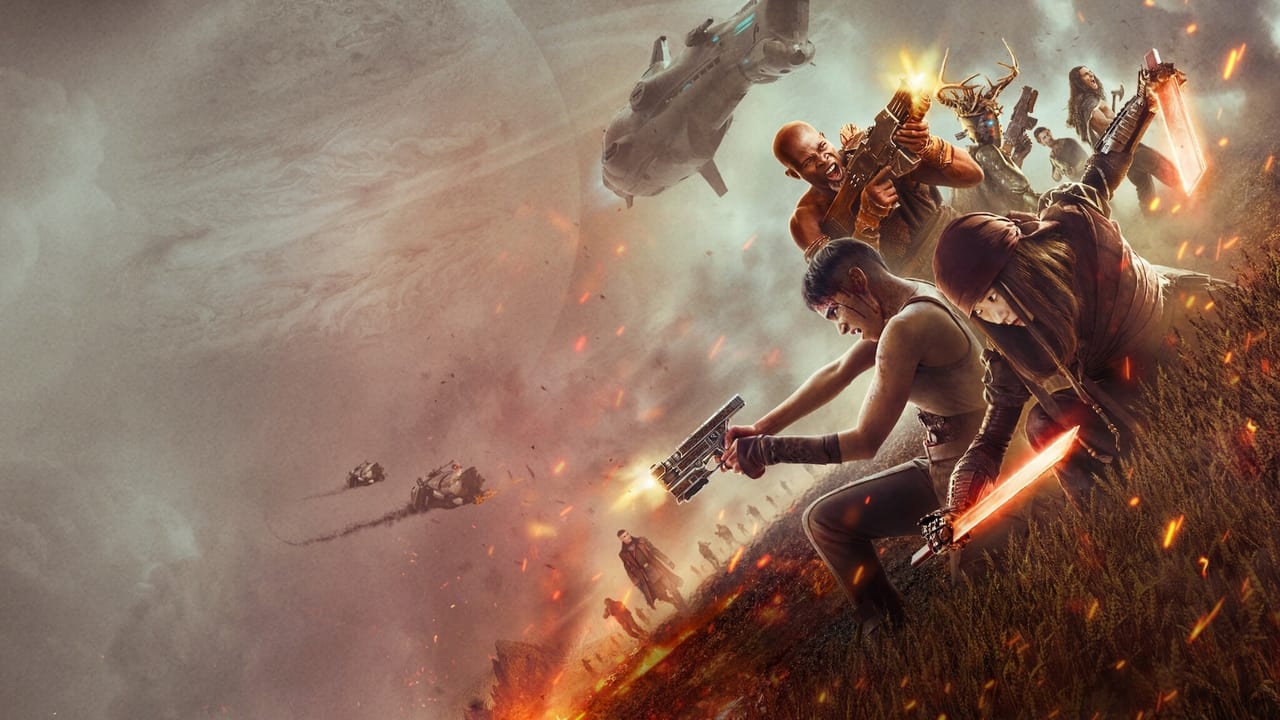
We are currently living through the "Content Era," a specific moment in cinema history where streamers like Netflix hand out $80 million checks for original IPs in hopes of birthing a franchise overnight. The Scargiver is the direct result of that ambition—a sequel that doesn’t so much conclude a story as it does stretch a forty-minute third act into a two-hour marathon. It arrives in our living rooms already feeling like a "forgotten" blockbuster, lost in the deep scroll of the algorithm just days after its release.
The Slowest Harvest in Galactic History
The first hour of this film is dedicated almost entirely to the farmers of Veldt preparing for battle. I use the word "preparing" loosely; mostly, they are harvesting grain. Snyder, serving as his own cinematographer, captures the reaping of wheat with the kind of reverent, golden-hour intensity usually reserved for the birth of a deity. I counted dozens of slow-motion shots of scythes hitting stalks. It’s an odd choice for an action epic, moving with a pacing that suggests Snyder is more interested in the texture of the chaff than the tension of the impending invasion.
When the action finally arrives, it’s a relentless barrage of Snyder’s signature tableaus. Sofia Boutella, as our lead Kora, remains the film's strongest asset. She has a physical presence that feels grounded and heavy, a stark contrast to the weightless CGI environments she often inhabits. Boutella’s face carries a weariness that the script doesn't always earn, but she sells the "Scargiver" mythos through sheer grit. Beside her, Michiel Huisman (familiar to many from Game of Thrones) plays Gunnar with a sincerity that almost makes you forget he’s basically playing "Space Farmer #1."
Chrome, Capes, and Scenery-Chewing
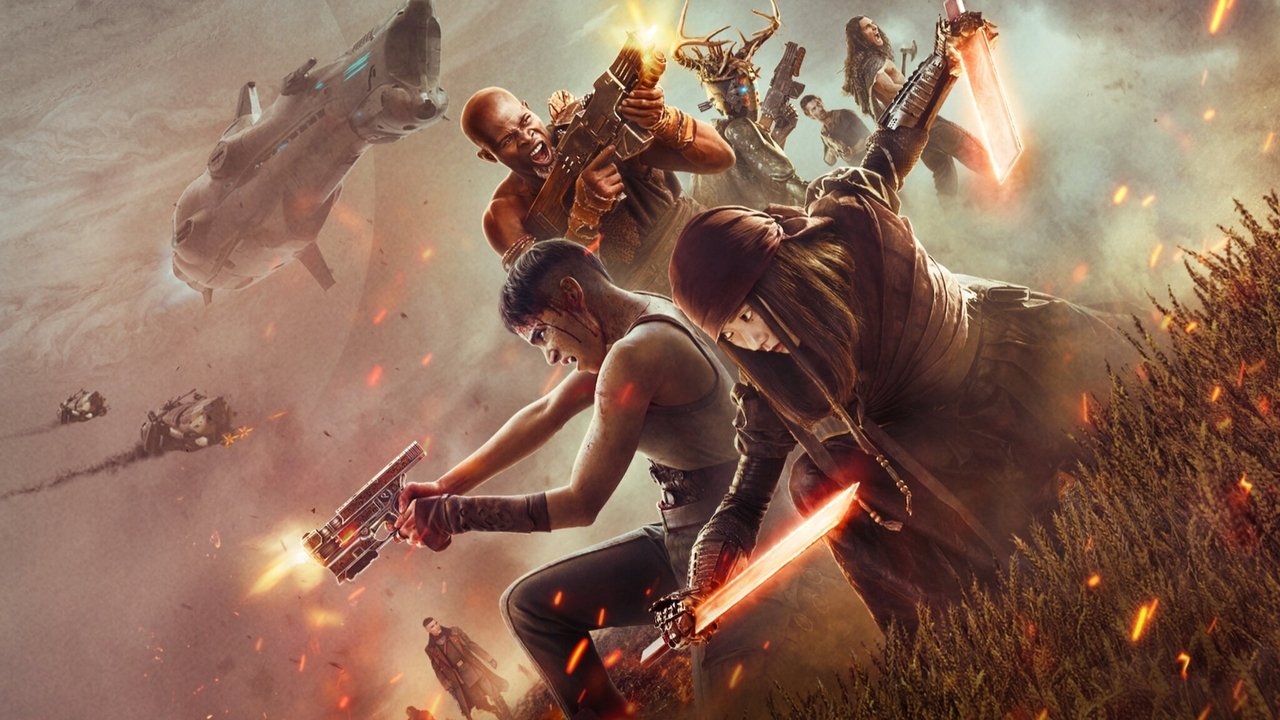
If the heroes are a bit somber, Ed Skrein as the villainous Atticus Noble is operating on a completely different frequency. Returning from his apparent death in Part One with a nasty scar and an even nastier disposition, Skrein delivers every line like he’s trying to intimidate a waiter who brought him the wrong soup. It’s glorious, campy, and exactly what the movie needs. While the rest of the cast—including a vastly underutilized Djimon Hounsou and the perpetually cool Bae Doona—sit around a table sharing tragic backstories that feel like reading character sheets from a D&D manual, Skrein is actually having fun.
The action choreography is undeniably polished. There is a sequence involving Bae Doona’s Nemesis and her glowing swords that manages to find a rhythm amidst the chaos. However, Snyder’s reliance on the "Volume" and green-screen technology often makes the world feel strangely claustrophobic. Despite the massive budget, the battles frequently feel like they are taking place in a very expensive parking lot. The action has all the weight of a high-end screensaver, lacking the tangible dirt and danger that made Seven Samurai—the film’s obvious DNA donor—so gripping.
The Algorithm’s Disappearing Act
What fascinates me about The Scargiver isn't necessarily what’s on screen, but its place in our current cultural landscape. This is a "blockbuster" that skipped the communal experience of the theater entirely, landing on a platform where it competes for attention with true crime documentaries and baking competitions. Because it lacks the historical prestige of a long-running franchise or the word-of-mouth oxygen of a theatrical hit, it has become an instant curiosity—a massive, expensive production that feels like it was made for no one in particular.
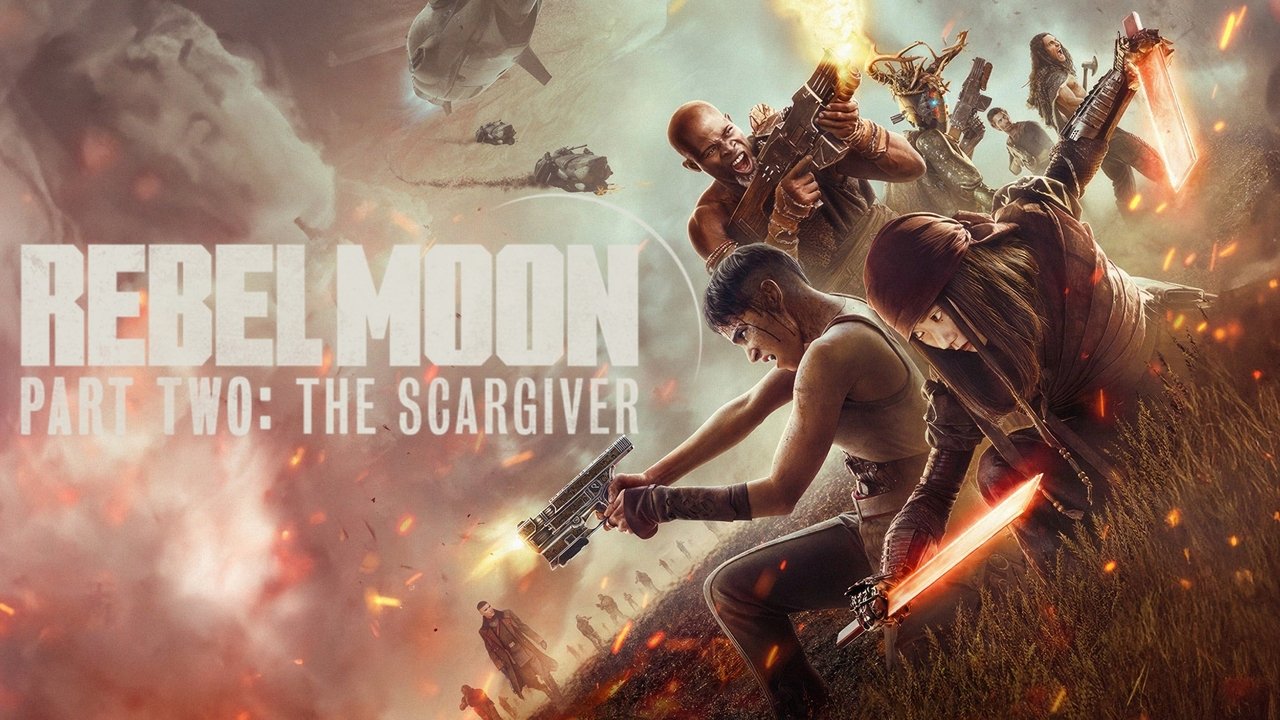
There are flashes of a better movie here. The score by Tom Holkenborg (Junkie XL) is thunderous and evocative, and the production design for the Motherworld’s technology is genuinely creepy. But the film is hamstrung by its own "Part Two" structure. It’s all climax and no setup, a finale to a story we were never quite invited to care about. As the credits rolled, I found myself thinking more about the digital grain-harvesting than the fate of the galaxy.
Ultimately, this is a film for the Snyder completists and those who find comfort in a specific brand of hyper-stylized, slow-motion maximalism. It’s a loud, shiny artifact of the 2020s streaming wars, proving that you can buy the effects, the actors, and the 121 minutes of our time, but you can’t quite manufacture the soul of a legend. It’s a decent enough way to kill a rainy afternoon, provided you don't mind a very long lecture on the importance of space-wheat.

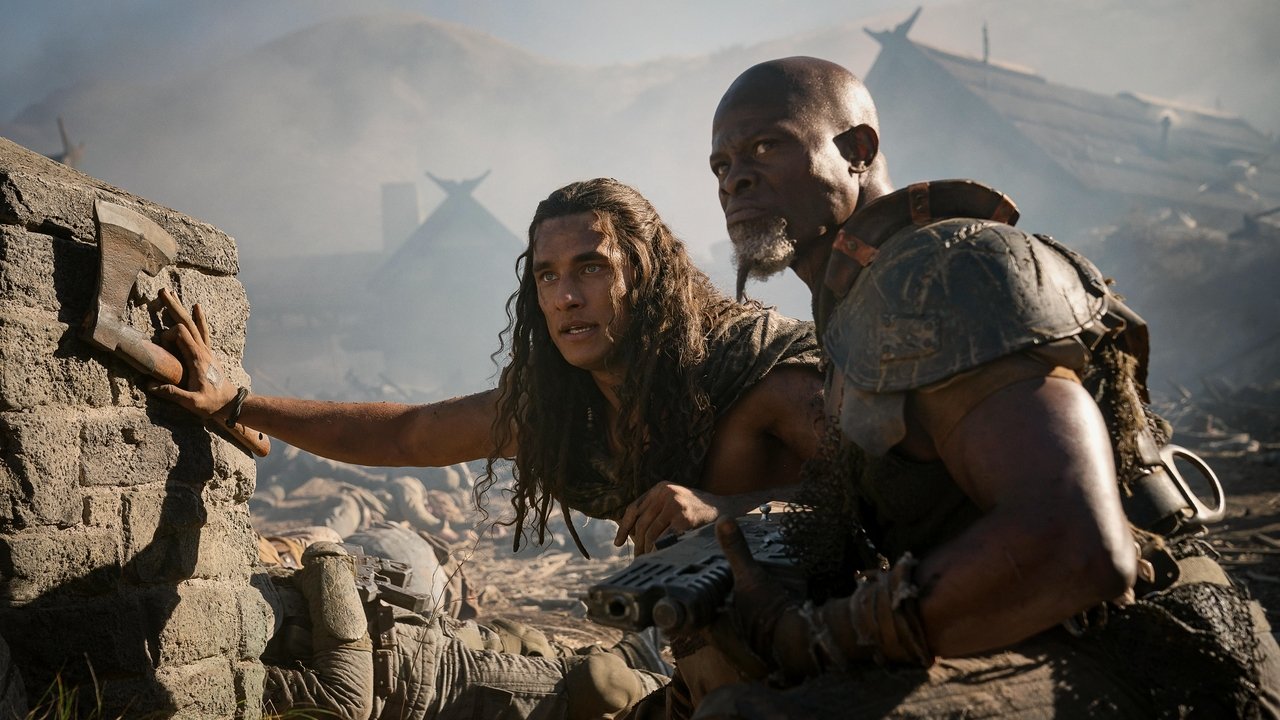
Keep Exploring...
-

Rebel Moon - Part One: A Child of Fire
2023
-

Justice League
2017
-
TRON: Ares
2025
-
Rim of the World
2019
-
Knights of the Zodiac
2023
-

Uglies
2024
-
Army of the Dead
2021
-
Batman v Superman: Dawn of Justice
2016
-

Justice League: Throne of Atlantis
2015
-
Batman: Bad Blood
2016
-
A-X-L
2018
-
Kin
2018
-

Dark Phoenix
2019
-
Gemini Man
2019
-
Men in Black: International
2019
-
Star Wars: The Rise of Skywalker
2019
-
Terminator: Dark Fate
2019
-
Eternals
2021
-
Venom: Let There Be Carnage
2021
-
Black Adam
2022