Smile 2
"The brightest lights cast the darkest shadows."
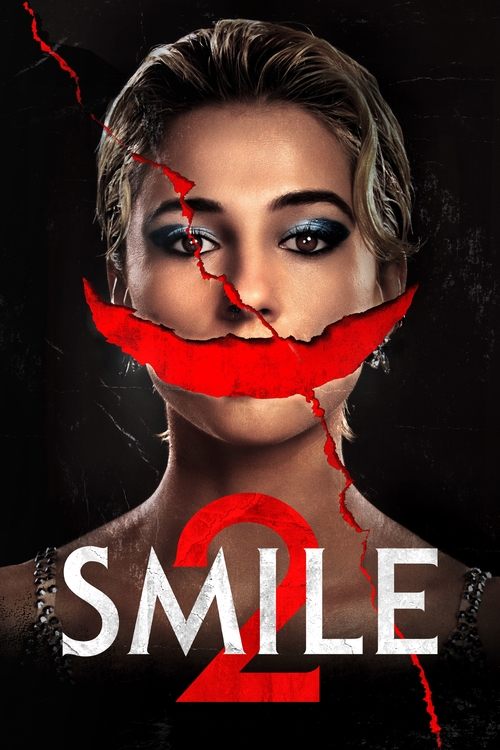
I walked into the theater for Smile 2 with a massive Diet Coke and a sense of profound skepticism. We’ve all seen the "bigger, louder, gorier" sequel trap before. Usually, when a sleeper hit like the original Smile (2022) spawes a follow-up, the mystery evaporates, leaving behind a hollow shell of jump scares and CGI. But about twenty minutes in—right around the time Lukas Gage does something truly unspeakable with a heavy gym weight—I realized Parker Finn wasn't interested in a victory lap. He wanted to see how much stress an audience could actually handle before they started looking for the exits.
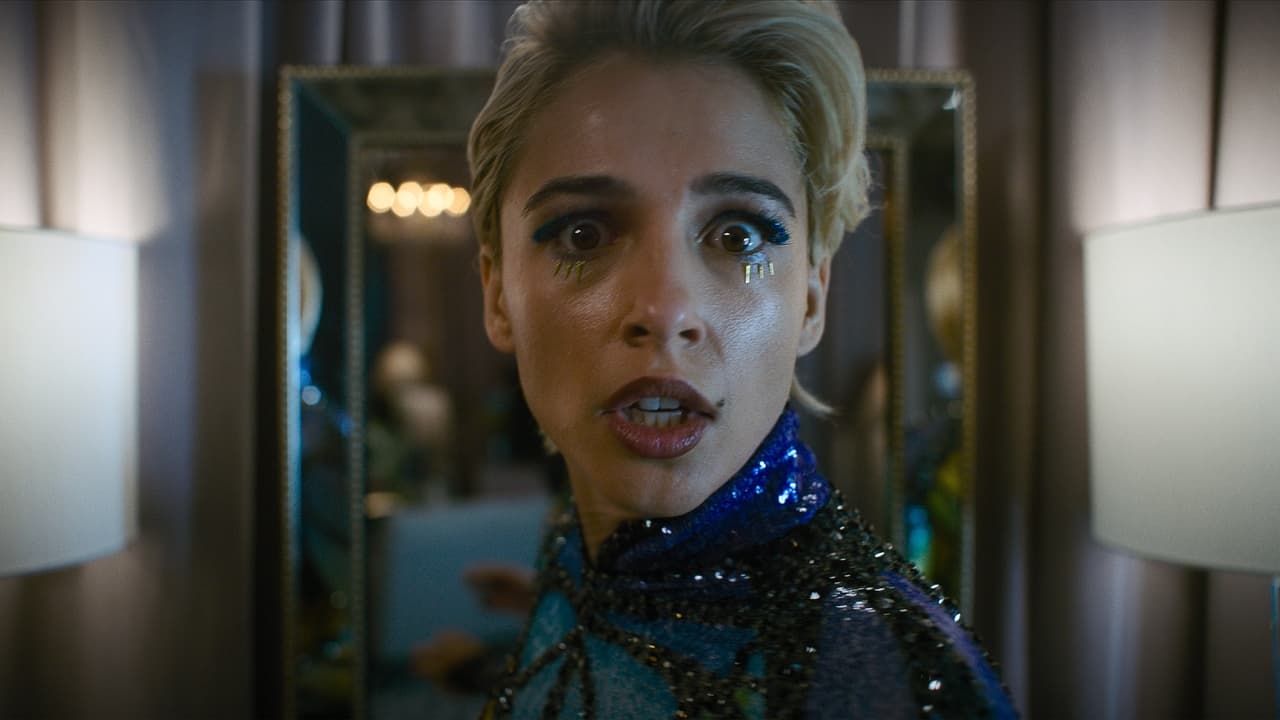
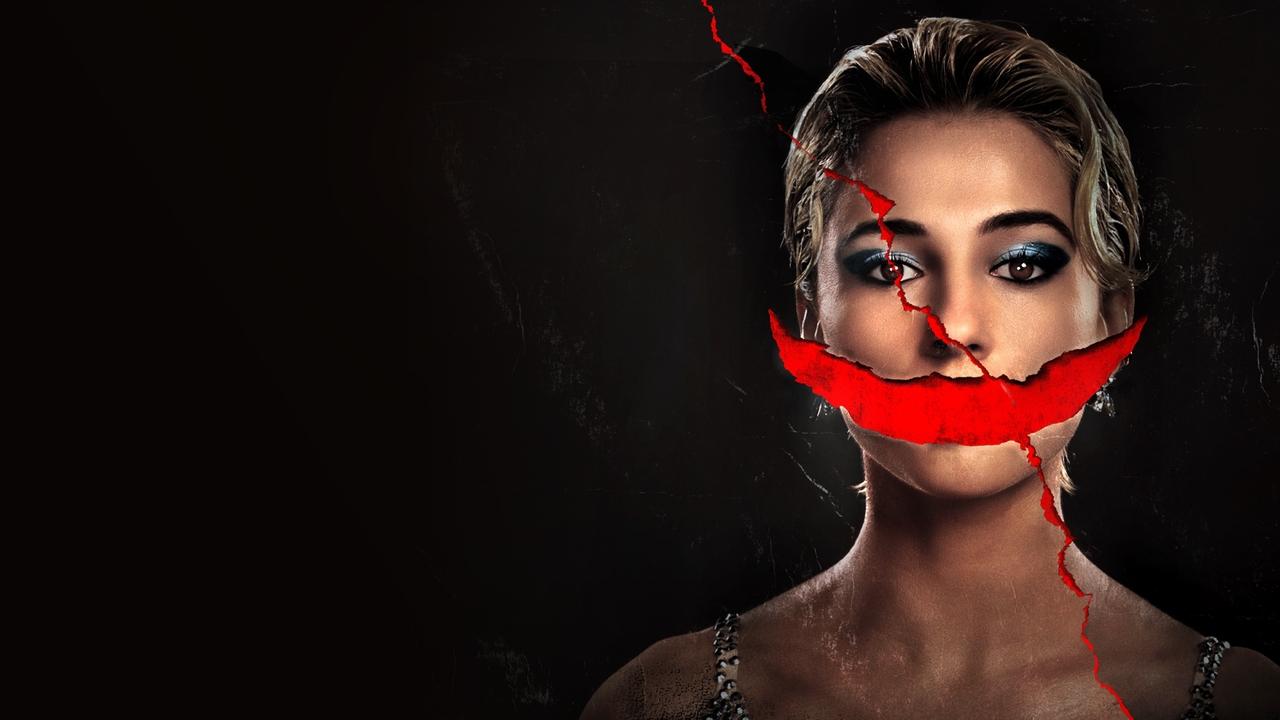
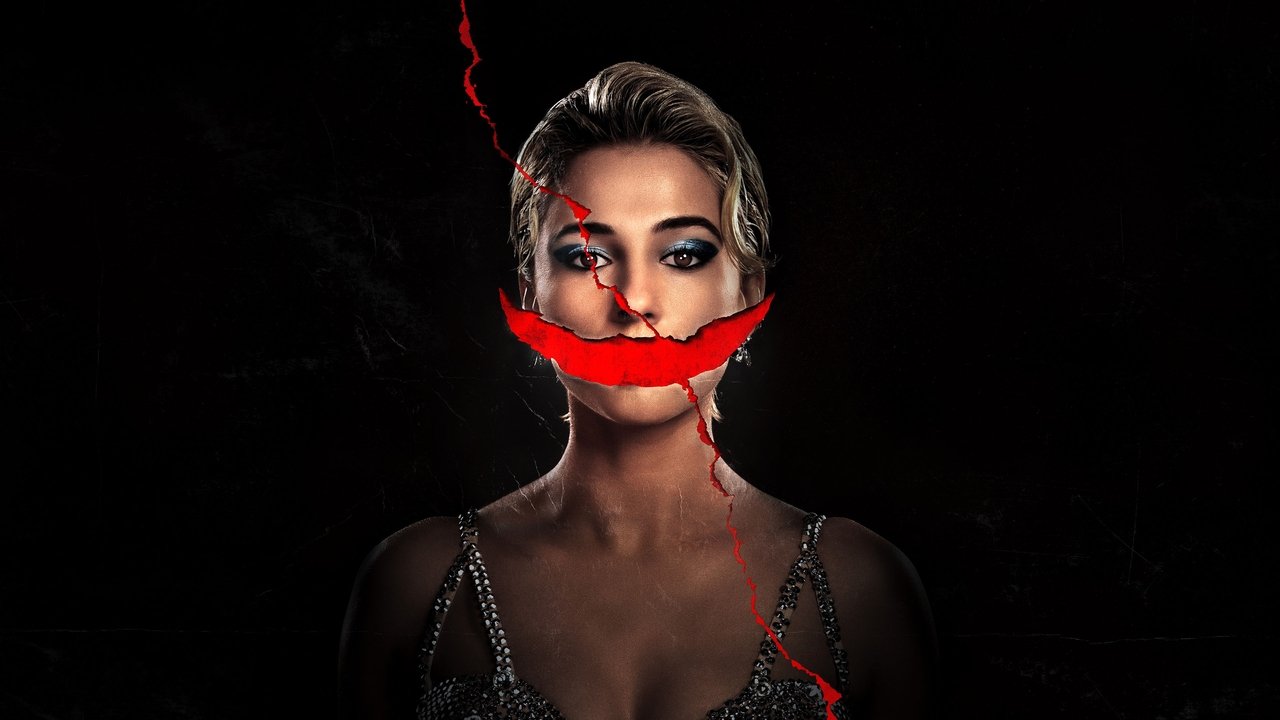
The movie follows Skye Riley (Naomi Scott), a global pop sensation attempting a comeback after a drug-fueled car wreck killed her boyfriend and nearly ended her career. She’s brittle, over-caffeinated, and nursing a back injury that makes every movement look like a chore. When she witnesses a former high school acquaintance (the aforementioned Lukas Gage) cave his own face in while wearing that grin, the curse passes to her. But here’s the kicker: for a pop star whose entire life is a performance, how do you tell the difference between a supernatural haunting and a total mental breakdown?
The Architecture of the Panic Attack
What struck me most about this sequel is how it uses the modern celebrity machine as a conveyor belt for horror. In the first film, the protagonist was a therapist—someone trained to stay calm. Skye Riley is the opposite. She is a woman who is paid to be "on" 24/7. Naomi Scott gives a performance that is frankly too good for a standard slasher flick. She isn’t just a "Scream Queen"; she’s a "Nervous Breakdown Queen." She captures that specific brand of "industry exhaustion" where every forced smile for a fan feels like a tiny piece of her soul being chipped away.
The cinematography by Charlie Sarroff is equally restless. The camera flips, rotates, and hangs upside down, mirroring Skye’s loss of equilibrium. There’s a scene involving a group of backup dancers in Skye’s apartment that is the most effective use of choreography in a horror movie since the original Suspiria. It’s claustrophobic, rhythmic, and deeply mean-spirited. I watched this next to a guy who was aggressively chewing on a bag of ice, and even his crunching couldn't distract me from the sheer "get me out of here" energy of that sequence.
A Legacy of Grins and Gore
We have to talk about Ray Nicholson. Casting the son of Jack Nicholson in a movie defined by a sinister, wide-mouthed leer is a stroke of marketing genius that borders on trolling. Every time Ray Nicholson appeared on screen as Skye’s dead boyfriend, Paul, the theater's collective blood pressure seemed to spike. He has his father’s "Heeeere’s Johnny" eyebrows, and seeing that face through the lens of modern digital clarity is like watching a ghost from 1980 haunt a 2024 iPhone.
While the first film felt like a riff on It Follows, this one feels like it’s in conversation with the current "Era of the Auteur Sequel." It’s polished, expensive, and surprisingly cynical about the way we consume female trauma as entertainment. The production values have skyrocketed; the tour rehearsals look like actual A-list stadium shows, which makes the subsequent descent into filth and blood feel much more jarring. Watching this movie feels like being trapped in a blender with a set of strobe lights and a speaker playing industrial metal. It’s loud—frequently "the theater speakers are actually clipping" loud—but it uses that volume to maintain a state of constant, vibrating anxiety.
Behind the Curtain of the Curse
The film’s success ($138 million on a $28 million budget) proves that audiences are still hungry for theatrical horror that actually tries. Interestingly, Naomi Scott actually recorded a full EP of original pop songs for the film, and they’re disturbingly catchy. It’s that level of detail—treating the "pop star" element as a real career rather than a plot device—that makes the horror hit harder. When Skye is forced to do a "meet and greet" while she’s seeing hallucinations of dead people, you feel the crushing weight of her contractual obligations.
The film also leans into the "Contemporary Cinema" trend of the fake-out. We live in an era where "gaslighting" is a buzzword, and Smile 2 uses that concept as its primary weapon. By the third act, you stop trusting the very frame of the film. It’s a risky move that could feel cheap, but because Parker Finn anchors it in Skye’s specific history of addiction and public disgrace, it feels earned. It's a "Legacy Sequel" in spirit, taking the DNA of the original and mutating it into something much more aggressive and visually sophisticated.
Smile 2 is a rare sequel that understands that more of the same isn't enough; you have to go deeper. It’s a brutal, flashy, and relentlessly loud exploration of how we chew up and spit out our idols. While it might lean a little too heavily on "it was all a dream" logic toward the end, the sheer craftsmanship on display—and Naomi Scott's powerhouse performance—makes it one of the most effective horror experiences of the 2020s. Just maybe skip the extra-large soda; you’ll need your nerves to be as steady as possible.
Keep Exploring...
-
Smile
2022
-
Escape Room
2019
-
The Conjuring: The Devil Made Me Do It
2021
-
Longlegs
2024
-
Color Out of Space
2020
-
Gretel & Hansel
2020
-
Escape Room: Tournament of Champions
2021
-
Old
2021
-
Watcher
2022
-
Knock at the Cabin
2023
-
Immaculate
2024
-
I'm Thinking of Ending Things
2020
-

The Lodge
2020
-
The Pale Blue Eye
2022
-
Us
2019
-
Halloween Kills
2021
-
Halloween Ends
2022
-
Scream
2022
-
The Black Phone
2022
-
Evil Dead Rise
2023