Terrifier 3
"Deck the halls with boughs of... blood."
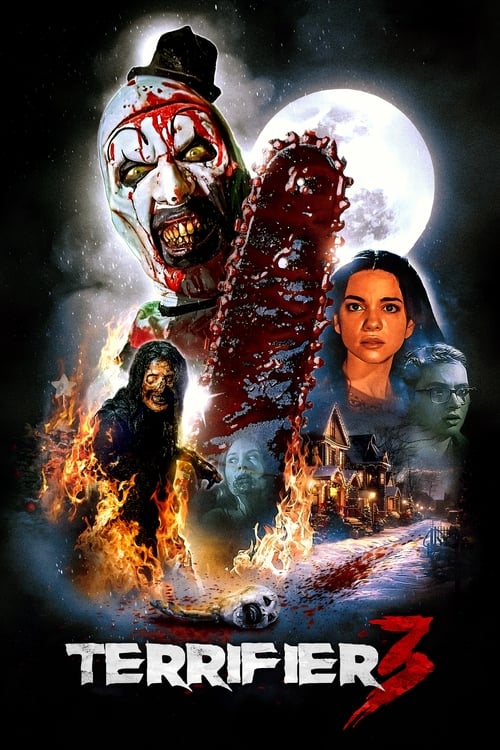
There is a specific kind of madness required to take the most wholesome holiday on the calendar and drench it in the kind of practical gore that would make an 80s Italian horror director weep with joy. While most modern franchises are busy sanding down their edges to appease international markets or PG-13 sensibilities, Damien Leone decided to walk into the 2024 cinematic landscape with a garbage bag full of severed limbs and a $2 million budget. The result isn't just a movie; it’s a cultural middle finger to the polished, committee-driven horror that’s been clogging up the streaming pipelines lately.

I watched this at a midnight screening while wearing a pair of fuzzy reindeer socks, and the sheer cognitive dissonance of seeing Art the Clown interact with a festive light display while I had cozy toes was—honestly—the highlight of my week.
The Mime, The Myth, The Monster
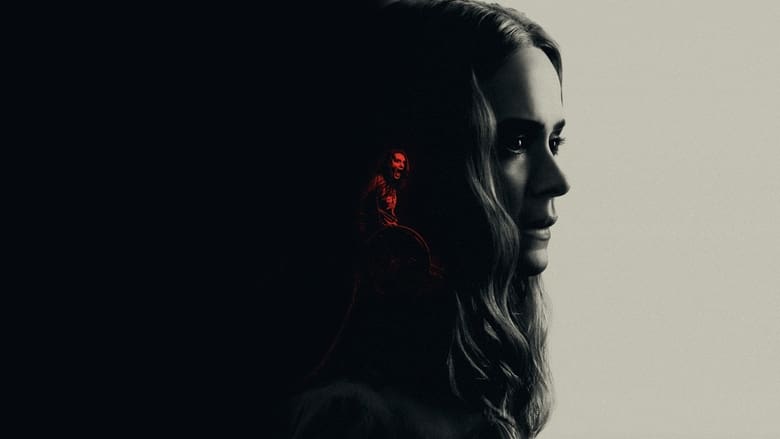
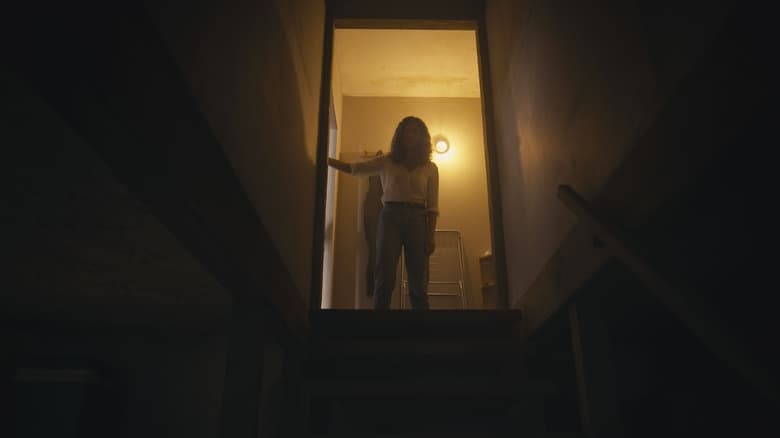
If the first Terrifier was a proof-of-concept and the second was an over-ambitious epic, Terrifier 3 is where the franchise finds its nasty, confident groove. The plot picks up five years after the previous massacre, following Sienna (Lauren LaVera) as she tries to navigate the crushing weight of her PTSD while staying with family for Christmas. Lauren LaVera continues to be the best thing to happen to the "Final Girl" trope in twenty years. She plays Sienna with a jagged, heartbreaking vulnerability that makes you actually care if she makes it to the end credits—a rarity in a subgenre that usually treats its cast like cattle for the slaughter.
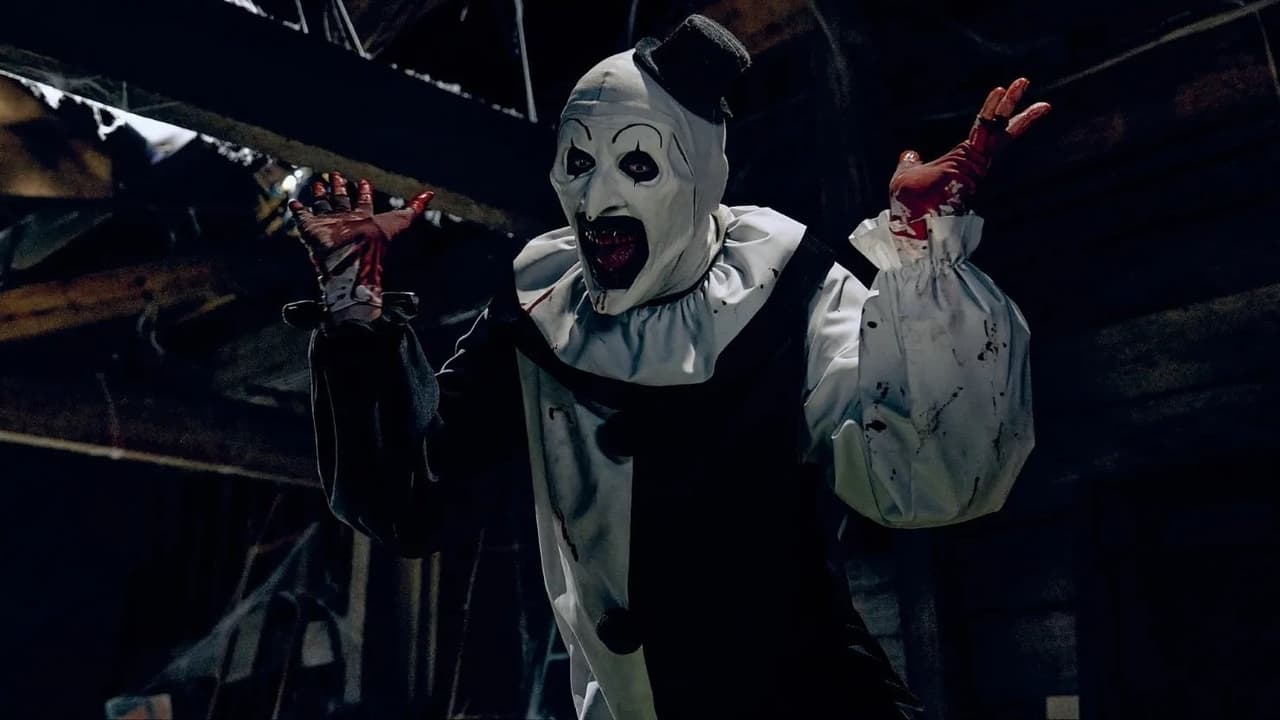
But let’s be real: we’re all here for the mime. David Howard Thornton has officially cemented Art the Clown as the premier horror icon of the 2020s. Without uttering a single syllable, he manages to be hilarious, charming, and utterly repulsive all at once. His physical comedy during a certain scene involving a department store Santa is high-level clowning that belongs in a much "classier" movie, which only makes the subsequent carnage feel more violating. Art the Clown makes Pennywise look like a socially adjusted birthday entertainer.
Independent Ambition on a Shoestring
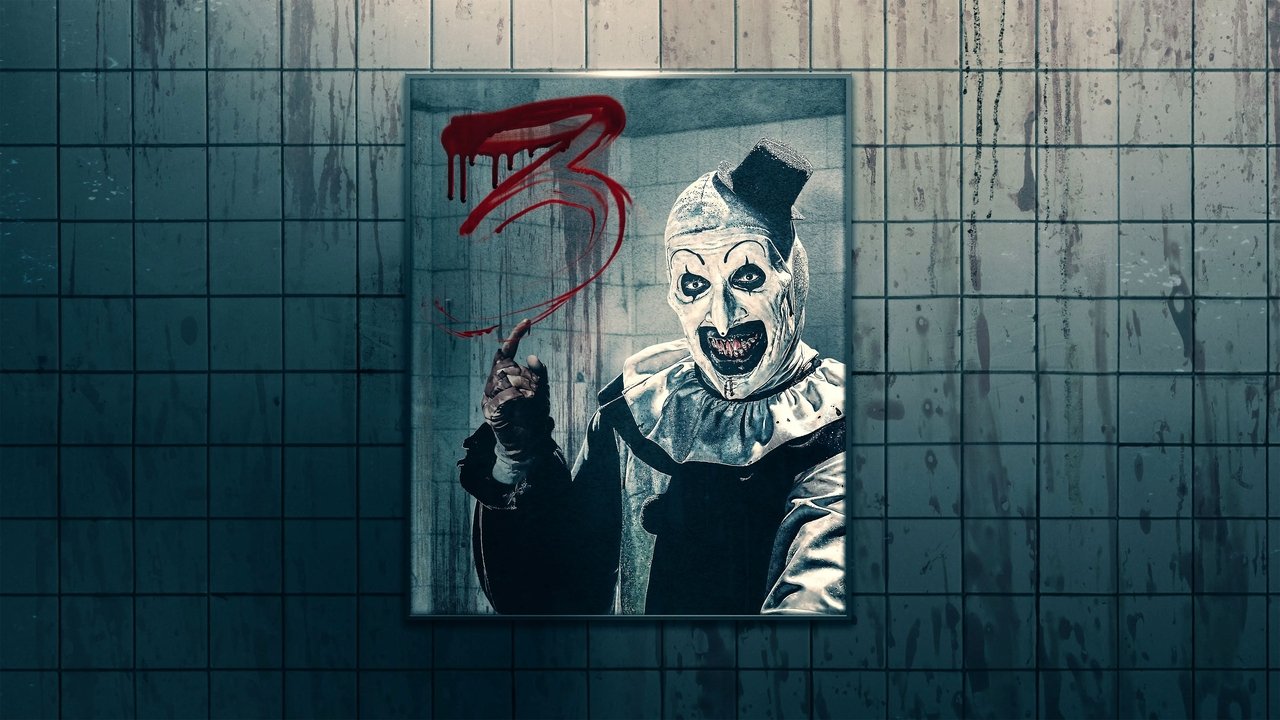
In an era where $200 million blockbusters are regularly flopping, there is something deeply satisfying about Terrifier 3’s financial narrative. This is a film that was rejected by major studios because Damien Leone refused to tone down the opening five minutes. By sticking to his guns and partnering with Cineverse and Bloody Disgusting, Leone proved that there is a massive, underserved audience hungry for the kind of "unrated" experience that vanished from multiplexes decades ago.
The production value here is a massive step up from its predecessors. Every cent of that $2 million budget is visible on screen, primarily in the practical effects. Leone, who handles the makeup effects himself, remains a wizard of the macabre. In an industry currently obsessed with "de-aging" and weightless CGI, seeing actual latex, corn syrup, and mechanical rigs feels revolutionary. This movie treats the human anatomy like a jigsaw puzzle designed by a sadist. It’s mean, it’s messy, and it’s undeniably impressive from a craft perspective.
Apparently, the crew had to deal with more than just fake blood; rumors from the set suggest that the mall scene was shot in an actual functioning mall after hours, leading to some very confused security guards and a lot of frantic cleaning before the morning shoppers arrived. It’s that kind of indie hustle that gives the film its grit.
A Modern Slasher Legacy

What strikes me most about this film’s place in contemporary cinema is how it ignores the "elevated horror" trend. We’ve spent the last decade analyzing grief and generational trauma through a lens of muted colors and slow-burn pacing. While Terrifier 3 does touch on Sienna’s trauma, it refuses to be polite about it. It’s a loud, garish, and offensive throwback that feels oddly fresh because it’s so unburdened by the need to be "important."
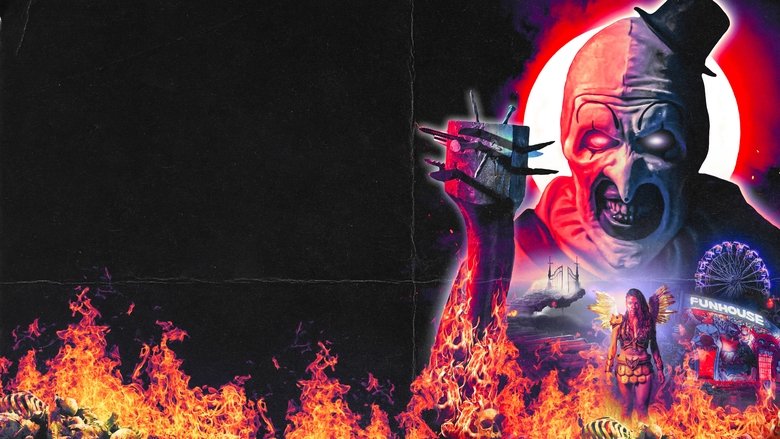
The inclusion of Samantha Scaffidi as Victoria adds a layer of supernatural grime that ties the whole trilogy together, creating a mythology that—while a bit confusing at times—gives the series a backbone beyond just the kill count. The film does run a bit long at 125 minutes, and there are moments where the pacing stutters as it tries to balance the lore with the slasher beats, but whenever things start to lag, Art usually shows up to do something unforgivable with a power tool.
Ultimately, Terrifier 3 is a victory for independent filmmaking. It’s a movie that knows exactly what it is and who it’s for. It doesn't care about the Oscars, and it certainly doesn't care about your comfort level. It’s a grisly, festive, and surprisingly well-acted nightmare that proves the slasher genre isn't dead—it was just waiting for a clown with a hacksaw to give it a jumpstart. If you have the stomach for it, it’s the most fun you’ll have being absolutely repulsed this year.