The Beekeeper
"Vengeance has a sting you won't forget."
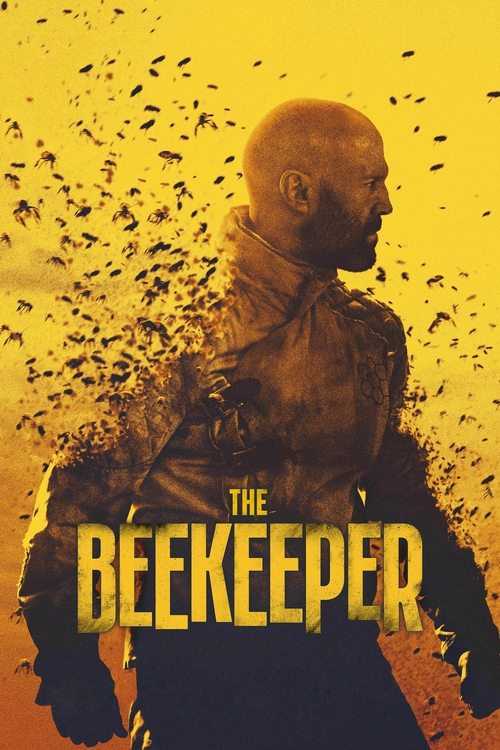
The sight of Jason Statham quietly tending to a literal hive of bees is the kind of cinematic misdirection that only works because we know exactly what’s coming. We aren't here for a documentary on apiculture; we’re here to see the man who once fought a giant prehistoric shark turn a high-tech call center into a localized disaster zone. I watched this on a Tuesday night while my radiator was making a rhythmic clanking sound like a hammer hitting an anvil, and honestly, the percussive noise of my apartment perfectly matched the bone-crunching rhythm of the film.
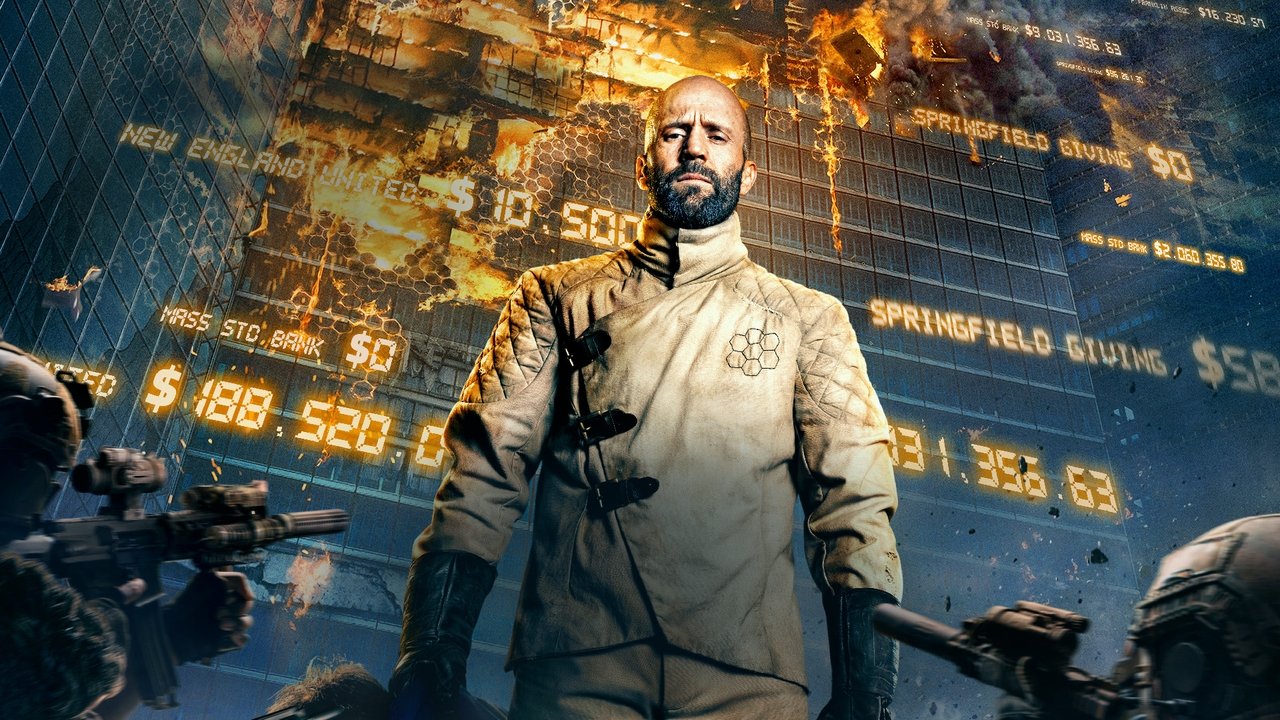
The Beekeeper arrived in early 2024, a time when the theatrical landscape was still wobbling between "superhero fatigue" and the desperate need for a mid-budget adult actioner that didn't require homework. Directed by David Ayer—the man who gave us the gritty brilliance of End of Watch and the divisive neon chaos of Suicide Squad—this film feels like a deliberate return to form. It’s a movie that understands exactly what it is: a high-velocity delivery system for Statham’s specific brand of stoic brutality, wrapped in a surprisingly timely social anxiety.
The Hive and the Grift
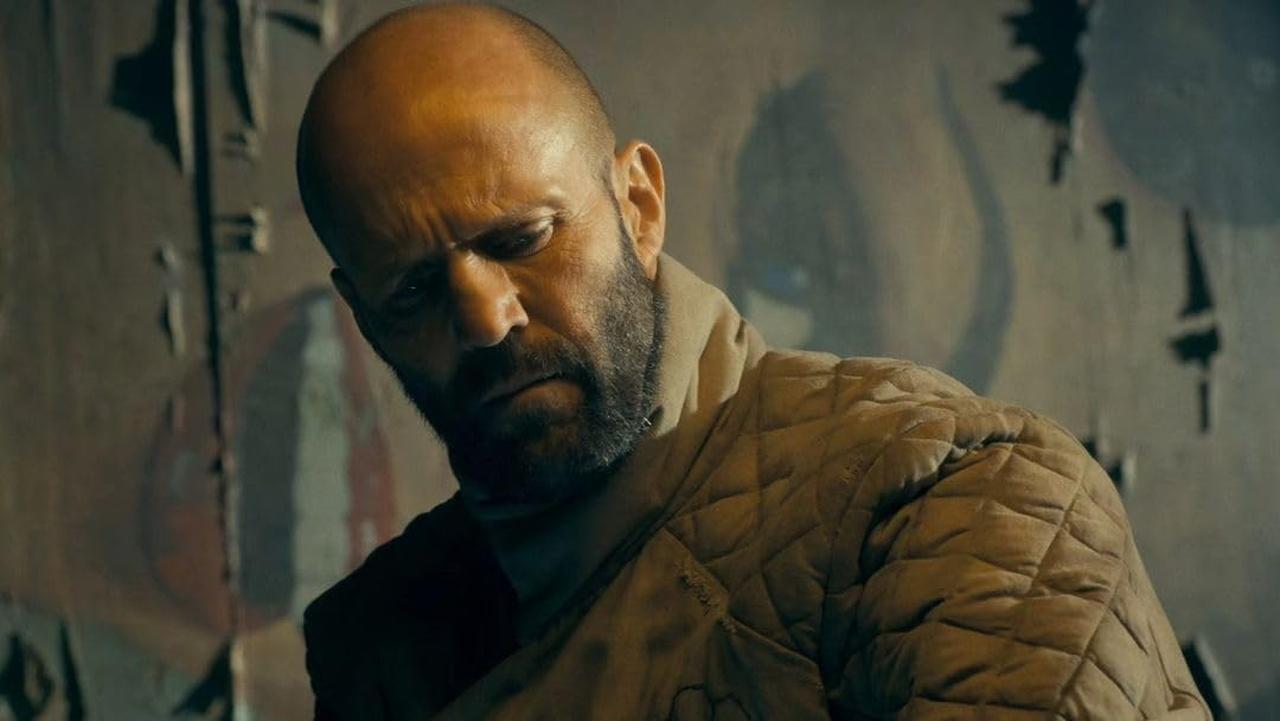
The plot kicks off with a sequence that is genuinely difficult to watch, leaning into the "Dark/Intense" modifier with surprising weight. When an elderly woman (played with heart-wrenching vulnerability by Phylicia Rashad) is scammed out of her life savings by a predatory phishing company, the film taps into a very modern, very real fear. We’ve all seen the headlines about digital predators targeting the vulnerable. By the time Jason Statham’s Adam Clay finds her, the damage is done, and the film shifts from a somber drama about elder abuse into a relentless revenge fantasy.
Clay is revealed to be a former member of "The Beekeepers," a clandestine organization that operates outside the government to "protect the hive" when the system fails. It’s a ridiculous piece of lore, yet Ayer and screenwriter Kurt Wimmer (the mind behind the cult classic Equilibrium) play it with such a straight face that you find yourself nodding along. Statham doesn’t just kill people; he enforces a grim, metaphorical balance. It’s basically John Wick for people who think LinkedIn is a horror movie.
Stunts, Scoundrels, and Smashed Tech

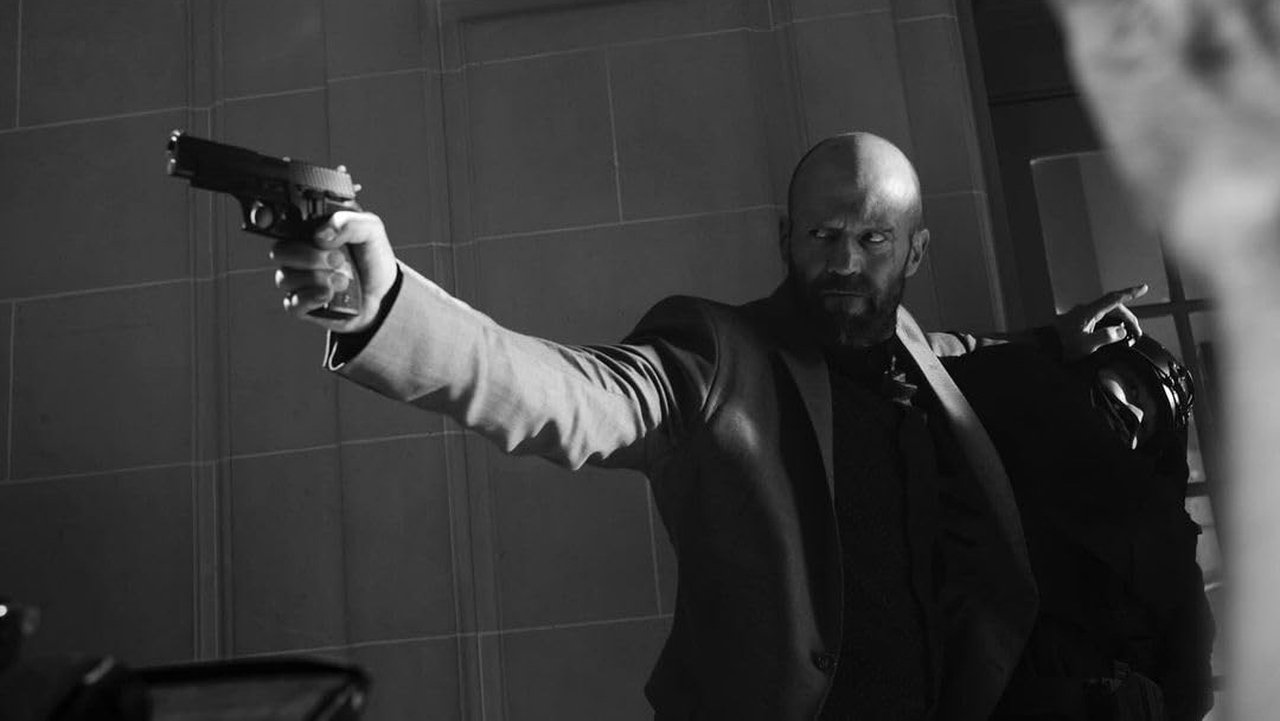
Where The Beekeeper truly earns its keep is in the action choreography. In an era where CGI-heavy spectacle often feels weightless, Ayer opts for a tactile, messy style of combat. Statham, as always, performs a massive bulk of his own stunts, and there’s a physical reality to the way he clears a room. He uses his environment—staplers, honey jars, elevator cables—with a frightening efficiency. The film’s mid-point assault on a "scam farm" is a masterclass in escalating tension, as Clay methodically dismantles a neon-lit office full of "tech bros" who realize too late that their headsets won't protect them from a professional shadow-operative.
The supporting cast adds a layer of flavor that elevates the film above standard VOD fare. Josh Hutcherson, far removed from his Hunger Games heroics, is delightfully punchable as Derek Danforth, a golden-spoon tech mogul who spends his time skateboarding through his office and snorting lines of "disruptive" ego. Then there’s Jeremy Irons, playing the Danforth family’s reluctant fixer, Wallace Westwyld. Irons looks like he’s being paid in rare Victorian coins and doesn’t mind one bit, delivering lines about "The Beekeepers" with a Shakespearean gravity that makes the absurdity sing.
Contemporary Stakes and Box Office Stings
Released during a period where audiences were increasingly vocal about "franchise fatigue," The Beekeeper proved there is still a massive appetite for original (or at least standalone-feeling) R-rated action. On a modest budget of $35 million, it swarmed the global box office to the tune of over $152 million. This success wasn't just luck; it was a testament to the film's ability to engage with the cultural moment. It targets the untouchable elite—the corporate scammers and political legacies—and offers a cathartic, if violent, resolution that resonates with a polarized, frustrated public.
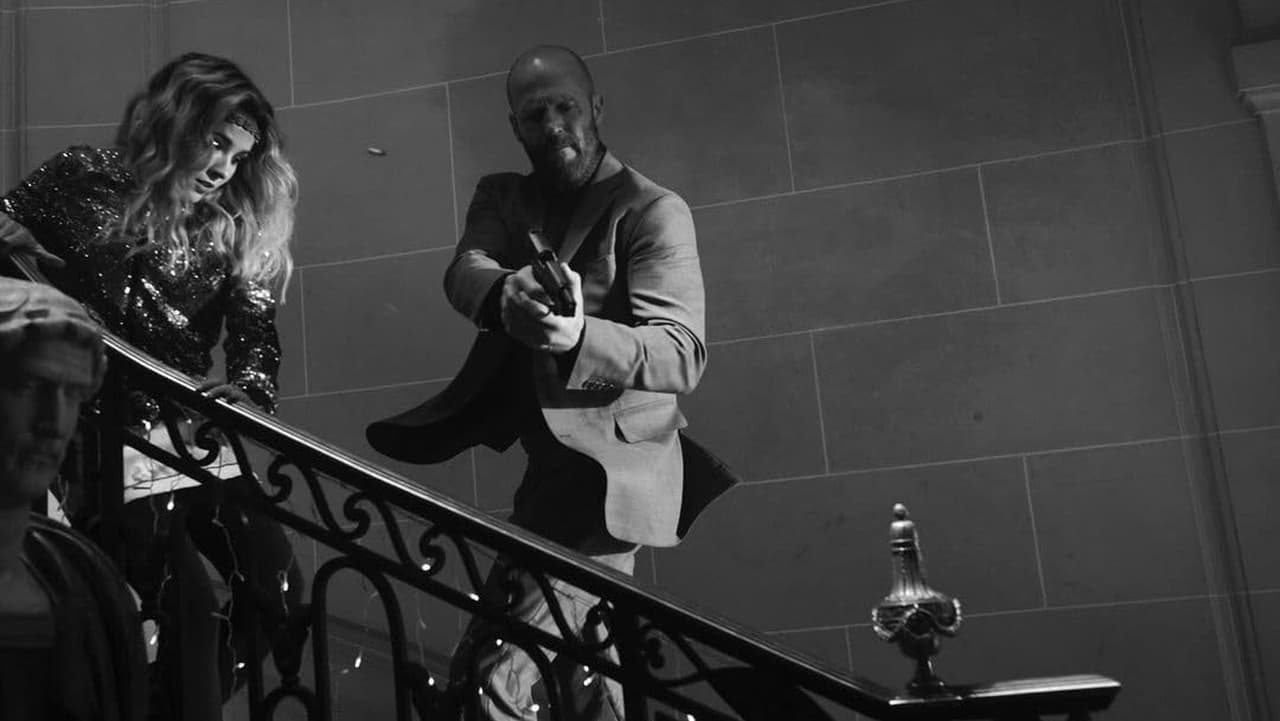
Behind the scenes, the production felt like a lean, mean machine. Ayer utilized practical pyrotechnics and focused on clear, wide-angle cinematography by Gabriel Beristain, ensuring that every punch and explosion had a discernible impact. They didn't rely on the "Volume" or heavy LED-wall production that has made some recent blockbusters feel claustrophobic. Instead, the film uses real locations that feel lived-in and grimy, heightening the "Dark" tone of the narrative.
Ultimately, The Beekeeper is a triumph of focused intent. It doesn't try to be a "meditation" on anything; it tries to be a damn good time at the movies for people who like watching bad people get what’s coming to them. While the dialogue occasionally veers into "bee-pun" territory that would make Arnold Schwarzenegger’s Mr. Freeze blush, the sincerity of the performances and the sheer quality of the action hold it together. It’s a brutal, efficient, and surprisingly satisfying sting to the system that reminds us why Jason Statham remains the reigning king of the blue-collar action flick. It’s not a film that will change the course of cinema history, but it’s a film that knows exactly how to make five minutes—or 106 minutes—disappear in a flash of adrenaline.
Keep Exploring...
-
A Working Man
2025
-
John Wick: Chapter 3 - Parabellum
2019
-
Bad Boys for Life
2020
-
John Wick: Chapter 4
2023
-
John Wick: Chapter 2
2017
-
Furious 7
2015
-
Street Kings
2008
-
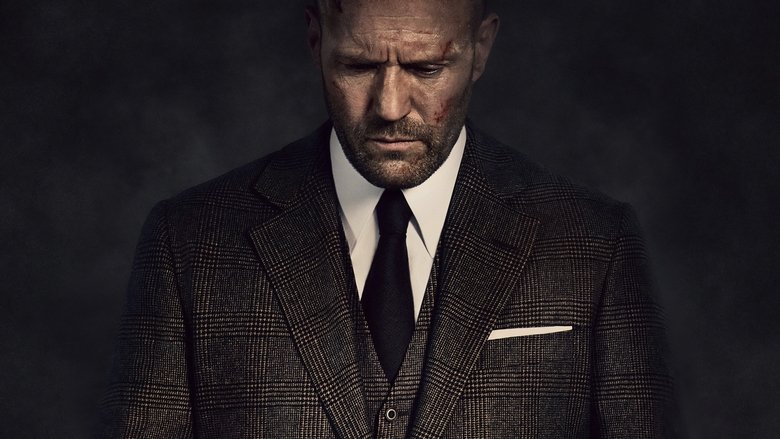
Wrath of Man
2021
-

The Gangster, the Cop, the Devil
2019
-

The Stronghold
2021
-

Extraction 2
2023
-
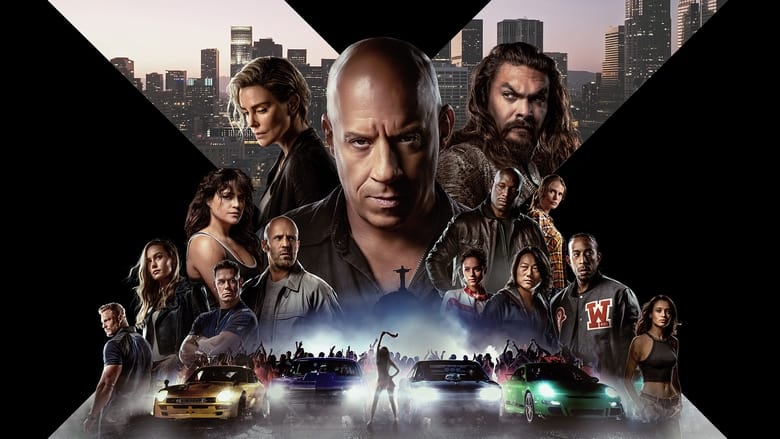
Fast X
2023
-
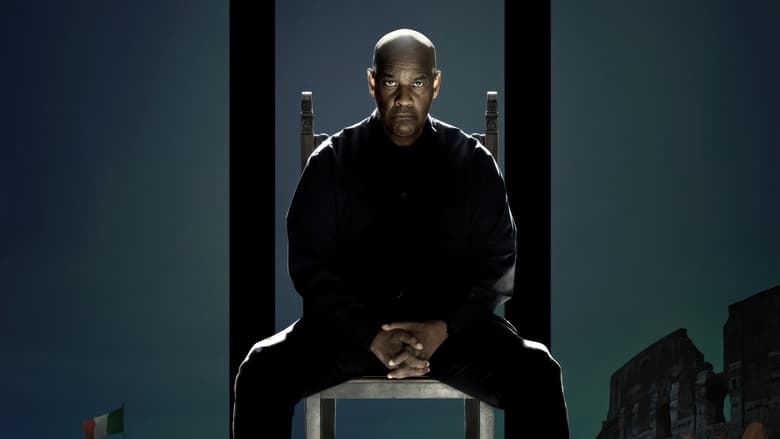
The Equalizer 3
2023
-

Ballerina
2025
-

One Battle After Another
2025
-
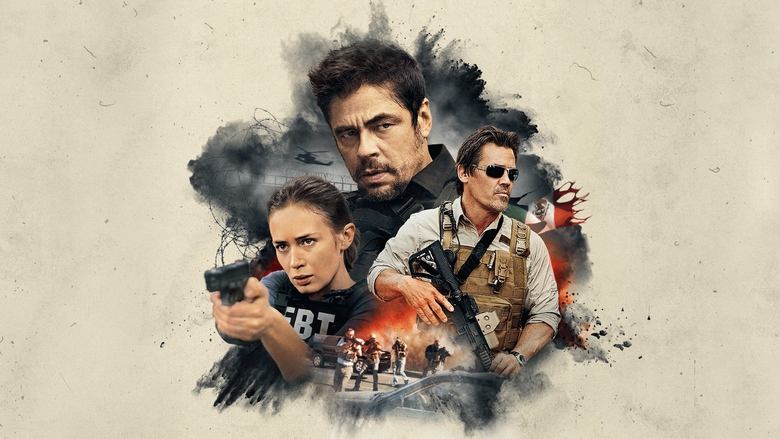
Sicario
2015
-
Patriots Day
2016
-

Bad Boys: Ride or Die
2024
-

Mechanic: Resurrection
2016
-
The Hitman's Bodyguard
2017