The Brutalist
"Concrete dreams and the high cost of the American promise."
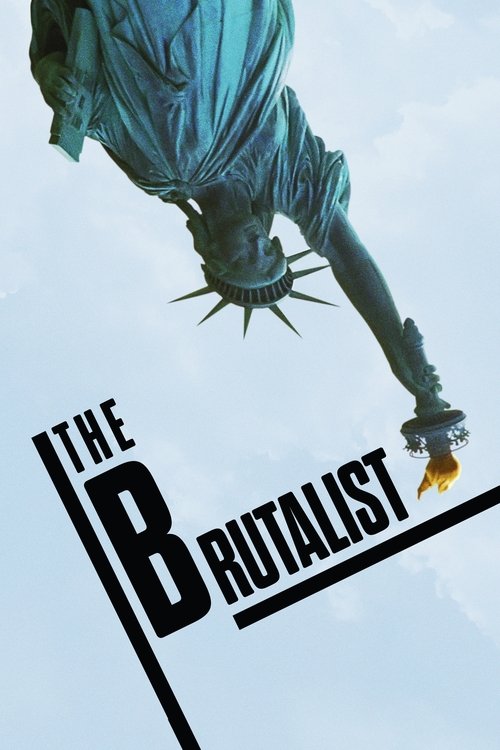
There is a specific kind of madness required to make a three-and-a-half-hour historical epic on a budget that wouldn't cover the catering for a mid-tier Marvel movie. Director Brady Corbet has that madness. He also has a 70mm camera and a bone-deep understanding of how to make concrete feel poetic. The Brutalist isn't just a movie; it’s an architectural event that dares you to sit still, pay attention, and feel the weight of every brick being laid.
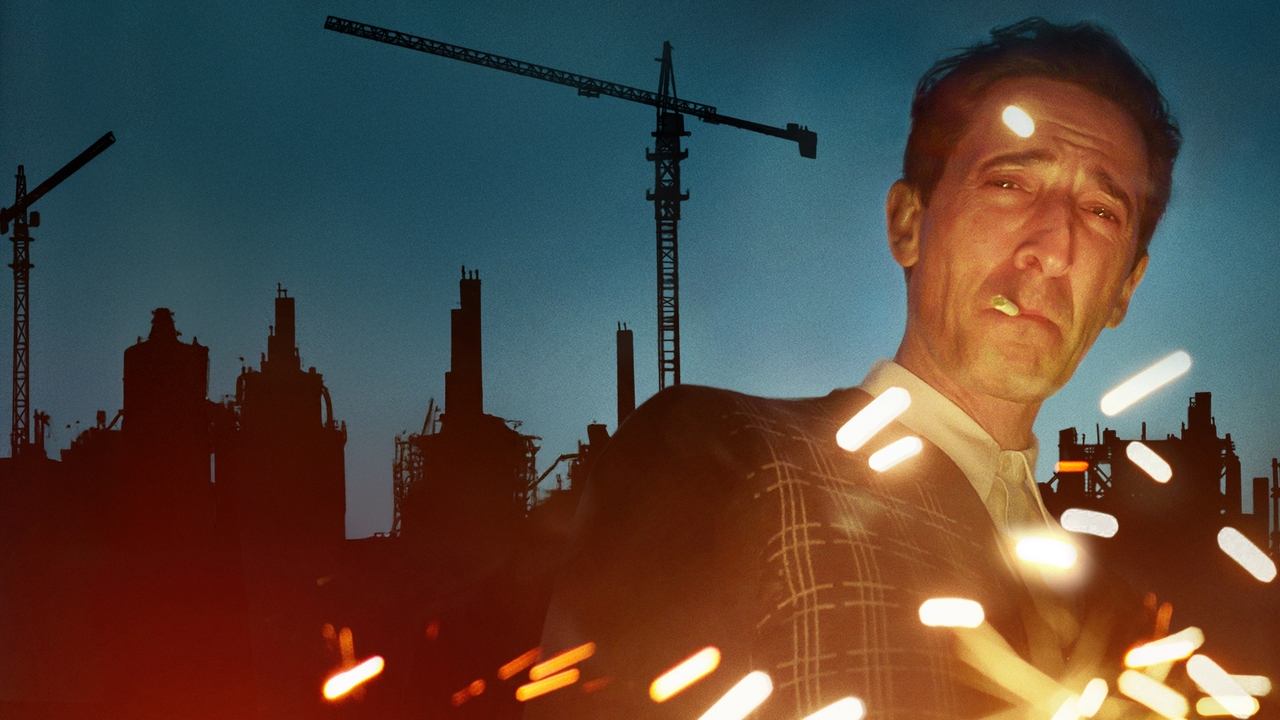
I watched this in a crowded screening where the guy next to me had a bag of beef jerky that smelled like a campfire, and honestly, the smoky aroma actually helped sell the post-war Pennsylvania atmosphere. It’s that kind of film—it demands to be experienced in a room with other people, feeling the collective silence of an audience realizing they’re watching a future landmark of cinema.
The Audacity of the Intermission
In an era of 90-second TikToks and movies designed to be "second-screened" while you fold laundry, Corbet has delivered a 215-minute behemoth. It even includes a formal 15-minute intermission, complete with a countdown clock on the screen. The intermission is the bravest thing a director has done in a decade. It signals that this isn't "content" to be consumed; it’s an experience to be absorbed.
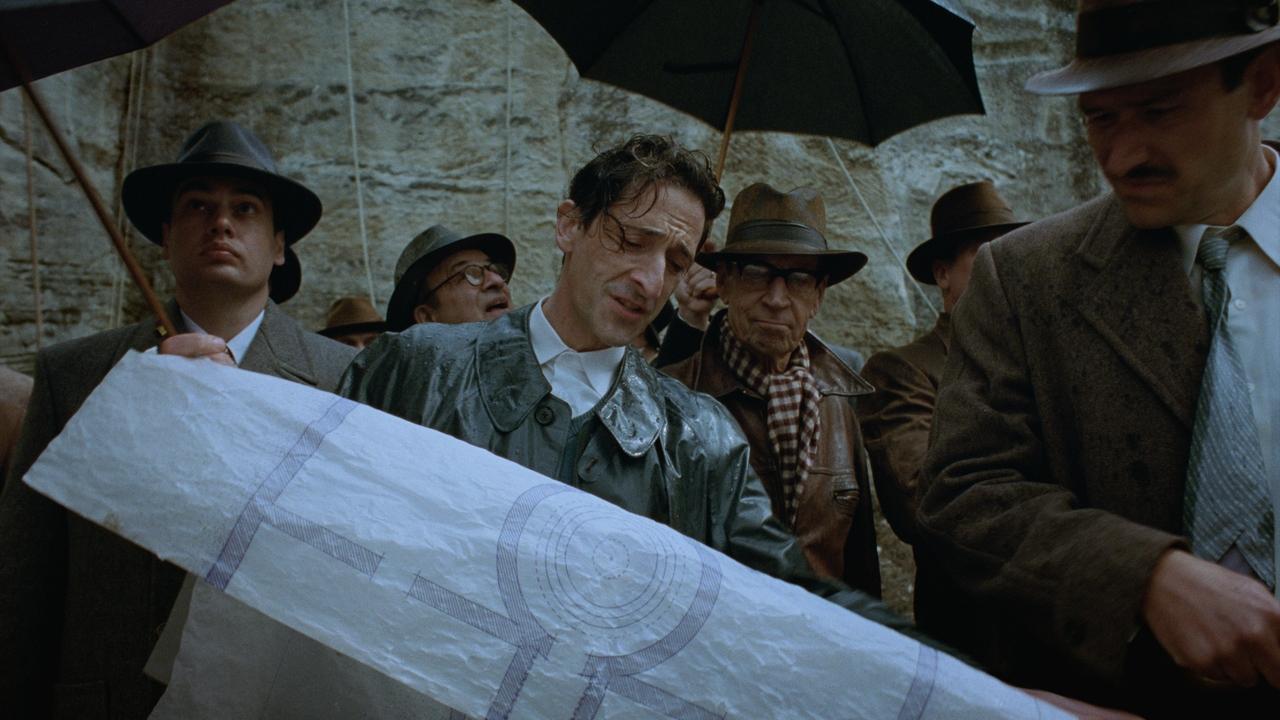
The story follows László Tóth, played by Adrien Brody, a Hungarian Jewish architect and Holocaust survivor who arrives in America in 1947. He has nothing but his talent and a drive to build. When he’s eventually hired by a terrifyingly wealthy, erratic patron named Harrison Lee Van Buren (Guy Pearce), the film shifts from an immigrant survival story into a sprawling, messy, and deeply cynical examination of the American Dream. It’s about what happens when genius meets capital, and how quickly "opportunity" can turn into "ownership."
A Monumental Performance
Adrien Brody hasn't been this good since The Pianist. He carries the weight of the 20th century in his eyebrows. As László, he is a man of intense silence and sudden, jarring outbursts of passion for his craft. He doesn't want to be "the immigrant"; he wants to be the artist. Watching him navigate the social hierarchies of 1950s Pennsylvania is like watching a hawk try to live in a gilded cage.
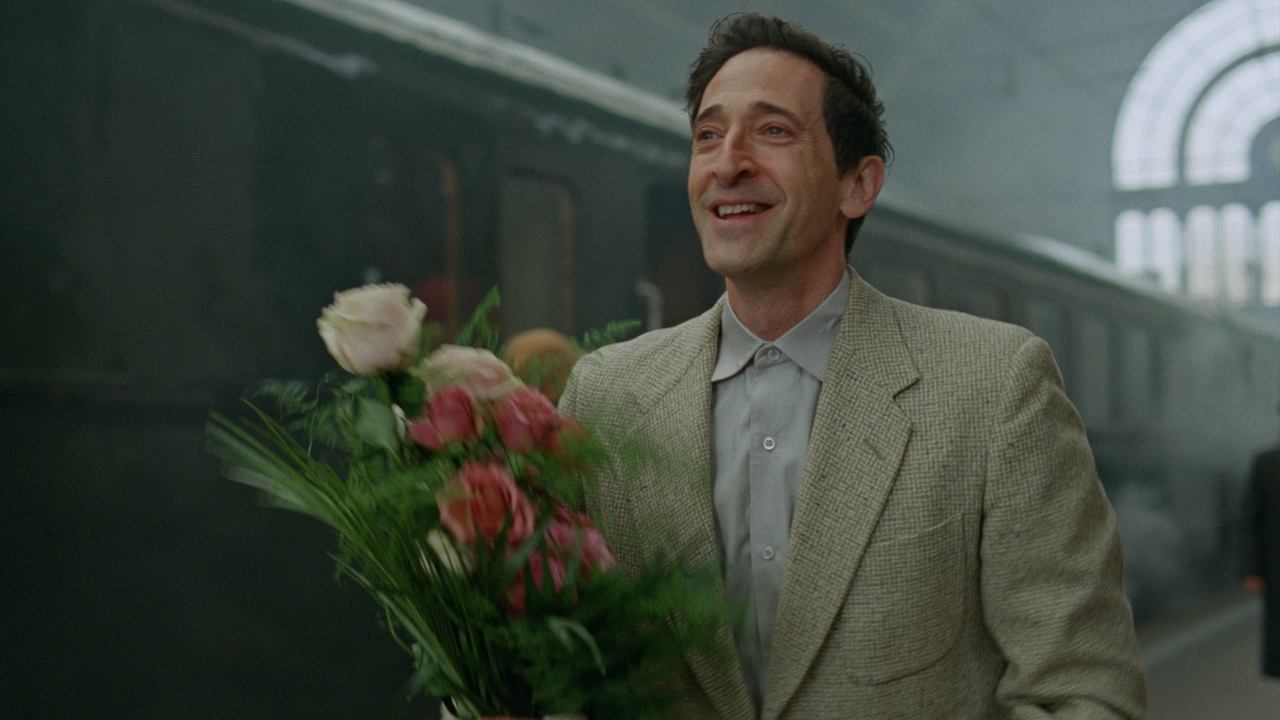
When his wife, Erzsébet (Felicity Jones), finally joins him after years of separation, the film finds its heart. Felicity Jones provides a necessary friction; she isn’t just the supportive spouse, she is a woman permanently scarred by the war, skeptical of the shiny American promise that her husband so desperately wants to believe in. Guy Pearce, meanwhile, plays Van Buren with a chilling, backslapping friendliness that hides a bottomless pit of entitlement. He’s the kind of guy who thinks he owns your soul because he paid for your lunch.
Shot on the Shoulders of Giants
What makes The Brutalist feel so different from other contemporary dramas is the way it looks. Corbet shot this on 35mm VistaVision—a high-resolution format used for mid-century epics like The Ten Commandments or Vertigo. The result is a texture you just don't get with digital. The screen feels "thick," for lack of a better word. You can almost feel the grit of the coal dust and the coldness of the Carrara marble.
It’s the kind of movie that makes you want to throw your phone in a river and actually read a book. It rejects the "flatness" of modern streaming aesthetics. Every frame feels intentional, like a blueprint come to life. Behind the scenes, the production was a miracle of logistics; they built massive sets on a shoe-string budget in Hungary, standing in for Pennsylvania, proving that you don't need $200 million to achieve scale if you have vision.
Building Toward the Inevitable
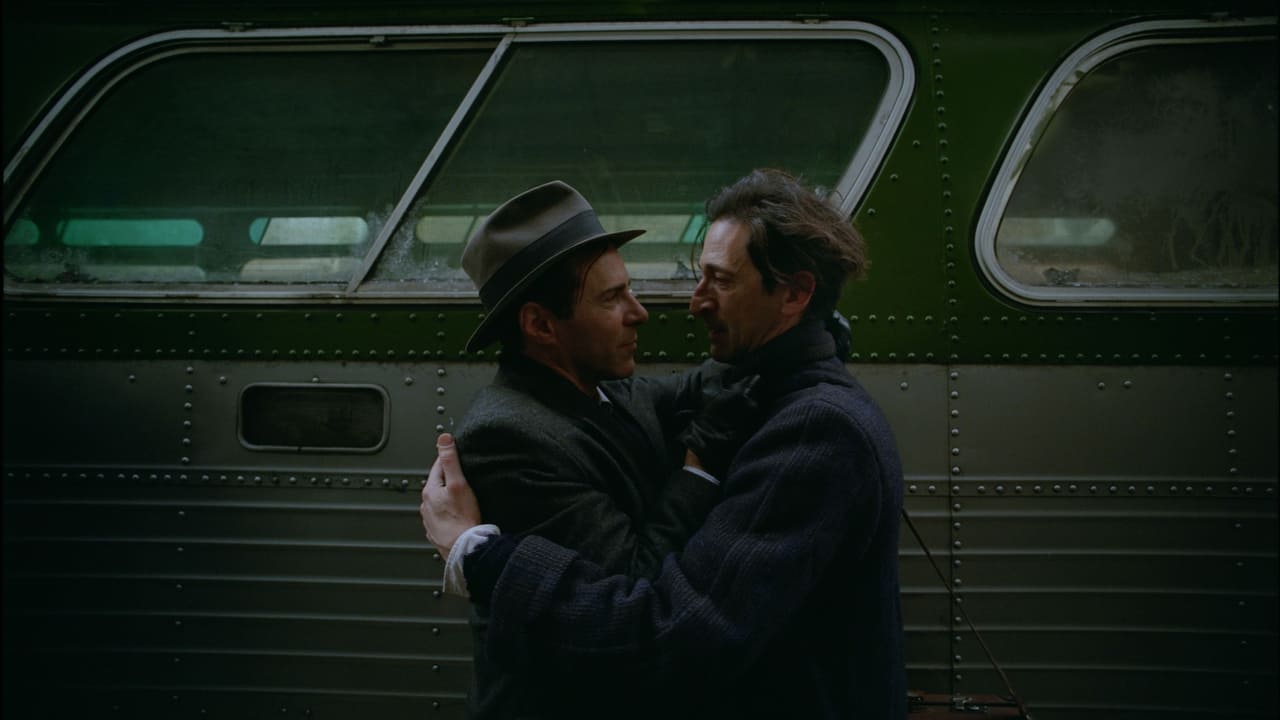
The film tackles themes of post-war trauma, the commodification of art, and the specific brand of American antisemitism that exists beneath a thin veneer of politeness. It’s not an easy watch, but it is an exhilarating one. Corbet avoids the usual "Great Man" biopic tropes. Instead of a triumphant rise, we get a complicated, jagged look at how a person’s legacy can be built and dismantled at the same time.
Some might find the third act polarizing—it takes some swings that are as bold and unapologetic as a slab of unpainted concrete—but I’d rather see a director swing for the fences and miss than watch another safe, committee-approved drama. In our current cultural moment of franchise fatigue and "safe" storytelling, The Brutalist stands like a skyscraper in a neighborhood of ranch houses.
This is a film that demands your time and repays it with interest. It reminds me why I love going to the theater—to be dwarfed by something larger than myself. It is grand, difficult, and utterly stunning. If this is the direction contemporary cinema is heading, I’m more than happy to sit through the three-and-a-half-hour runtime again, even if the guy with the beef jerky comes back for round two.

Keep Exploring...
-
Mary Queen of Scots
2018
-
A Beautiful Day in the Neighborhood
2019
-

Harriet
2019
-
Hotel Mumbai
2019
-
Mank
2020
-

The Outpost
2020
-

Belfast
2021
-
Judas and the Black Messiah
2021
-
The Iron Claw
2023
-

The Apprentice
2024
-
An Officer and a Spy
2019
-
Dolemite Is My Name
2019
-

Judy
2019
-
The First King
2019
-

The Professor and the Madman
2019
-
The Courier
2020
-
Benedetta
2021
-

Spencer
2021
-
The Three Musketeers: D'Artagnan
2023
-

I'm Still Here
2024