The Count of Monte Cristo
"A hauntingly beautiful symphony of calculated ruin."
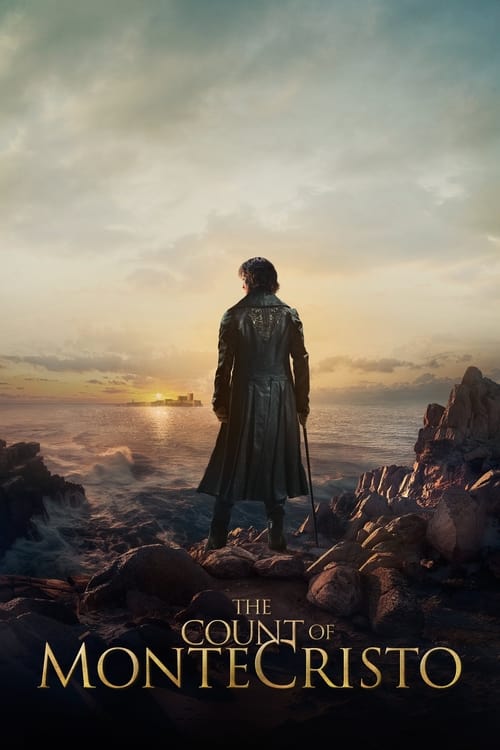
French cinema is currently having a "hold my Bordeaux" moment. While Hollywood seems stuck in a loop of diminishing returns and green-screen sludge, the French have spent the last couple of years reclaiming the big-screen epic. After the two-part Three Musketeers feast, directors Alexandre de La Patellière and Matthieu Delaporte have returned to the Alexandre Dumas well, but this time they’ve brought a much sharper bucket. Their 2024 adaptation of The Count of Monte Cristo is a staggering, three-hour reminder that you don’t need a multiverse to create a sprawling cinematic myth—you just need a man with a broken heart and a terrifyingly large bank account.
I watched this while wearing a crisp linen shirt that I’d ironed specifically to feel "period-appropriate," only to end up accidentally splashing red wine down the front during a particularly tense dinner party scene. Honestly, it felt like the most immersive way to experience a movie this obsessed with the stains we leave on our souls.
The Ghost in the Gold Mask
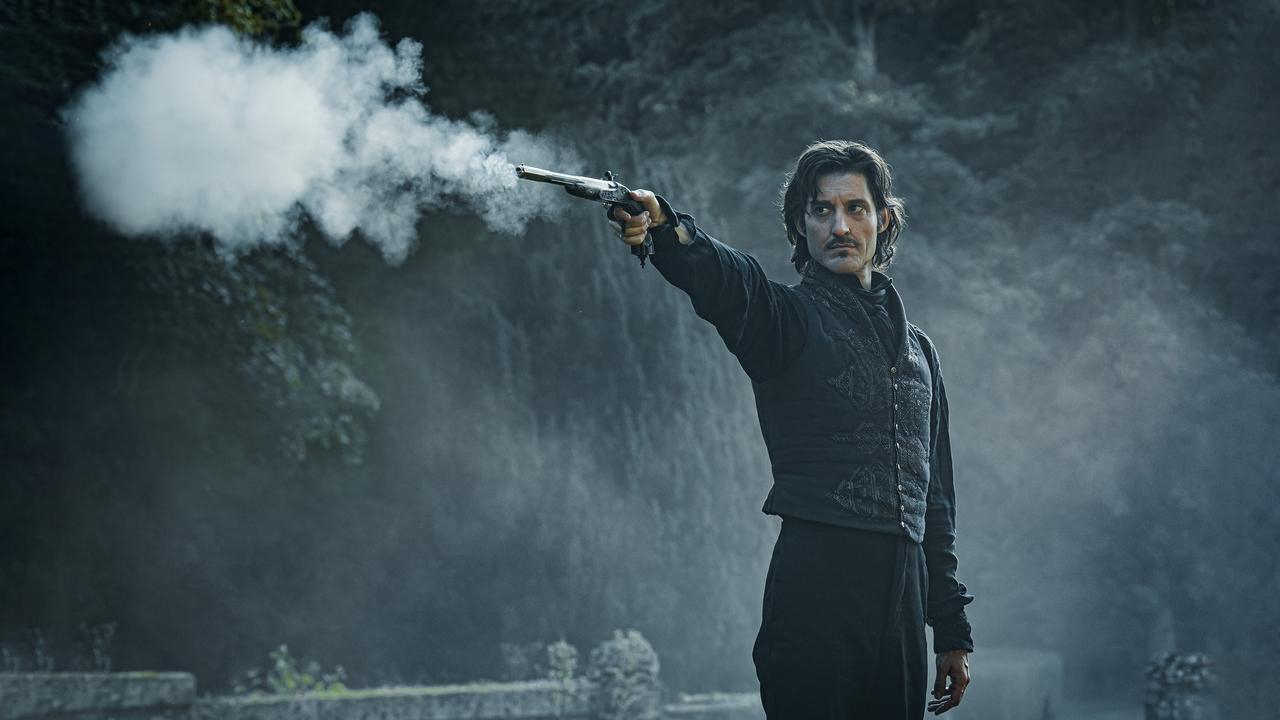
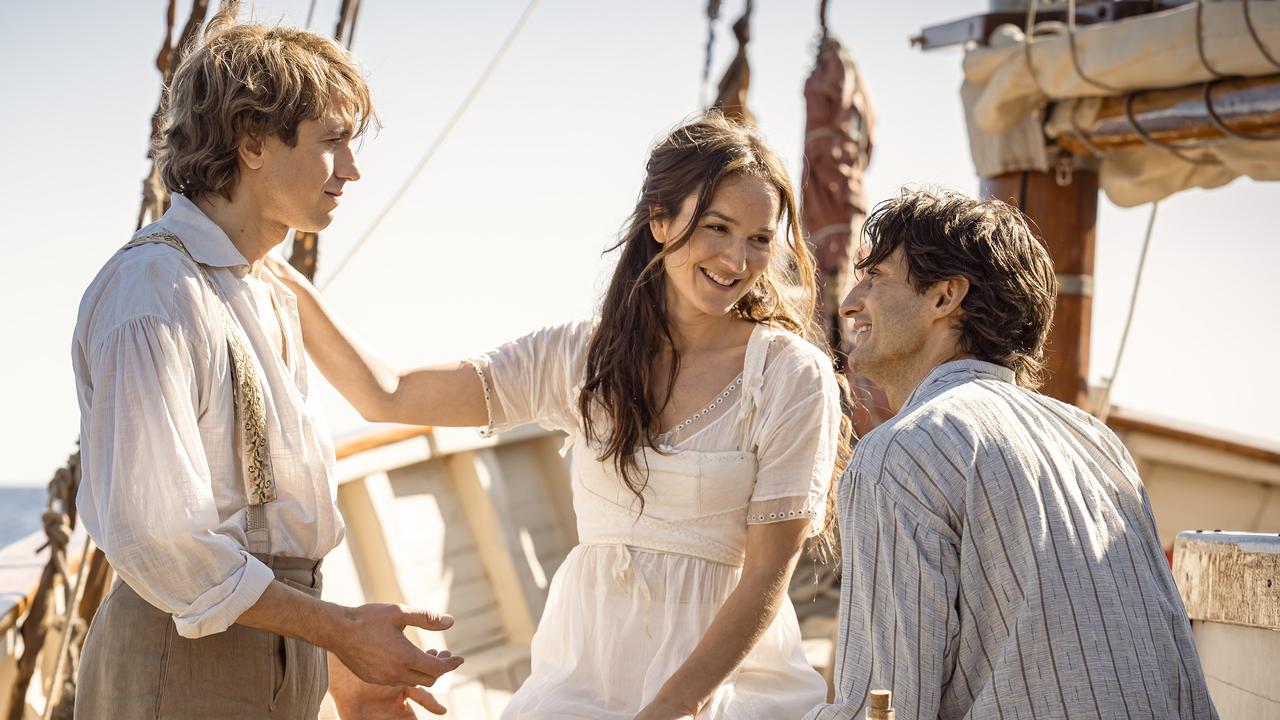
At the center of this hurricane is Pierre Niney (whom you might know from Yves Saint Laurent). He plays Edmond Dantès with a transformation that is less about physical aging and more about the slow evaporation of his humanity. In the beginning, he’s all sunshine and salt spray, a naive sailor about to marry the love of his life, Anaïs Demoustier. But after 14 years in the lightless hell of the Château d’If, he emerges as something... else.
Niney manages to look like a haunted pencil with a billion dollars. It is a performance of incredible restraint. When he finally arrives in Paris as the Count, he isn't just "the guy from the prison"; he’s a series of masks. Literally. The production spent a fortune on prosthetic work to allow Dantès to inhabit different personas, and it pays off. Unlike the 2002 Jim Caviezel version, which felt more like a swashbuckling adventure, this Dantès is a psychological horror movie for his enemies. He doesn’t want to kill them; he wants to dismantle their lives with the surgical precision of a Swiss watchmaker.
A Masterclass in Tactile Grandeur
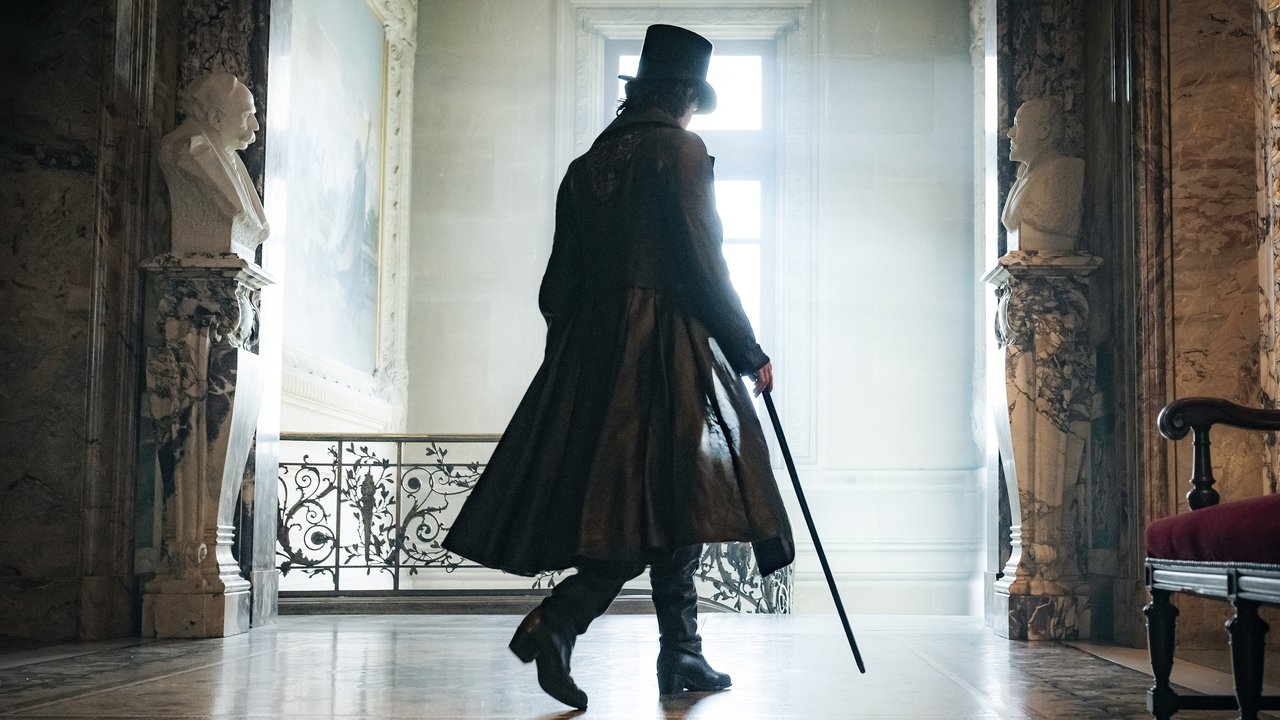
What struck me most is how Hollywood has forgotten how to make movies look this expensive without looking like a video game. Cinematographer Nicolas Bolduc treats the Mediterranean like a character—the water is deep, dark, and unforgiving. The budget was roughly $46 million, which is "modest indie" money in MCU terms, but on screen, it looks like $200 million. Every gold coin has weight, every velvet curtain feels dusty, and the Château d’If feels like a damp, suffocating grave.
The action isn't about rapid-fire cuts or shaky-cam nonsense. It’s about momentum. The escape from the prison—a sequence we’ve seen a dozen times in various adaptations—feels genuinely terrifying here. It’s claustrophobic and desperate. The directors understand that the "action" of Monte Cristo isn't just the swordplay (which is excellent); it’s the social warfare. The way the camera lingers on the sweating brow of Laurent Lafitte as Gérard de Villefort, or the twitching eye of Bastien Bouillon as the traitorous Fernand, provides more tension than any CGI explosion could dream of.
The Philosophy of the Void
While this is a premiere piece of entertainment, it’s surprisingly cerebral. It grapples with a question that contemporary "revenge" movies usually skip over: What happens to the person who succeeds? As Dantès methodically ruins the men who betrayed him—including the corrupt Danglars played by Patrick Mille—the film starts to pull the rug out from under the audience’s bloodlust.
I found myself questioning if I was actually rooting for justice or if I was just enjoying the spectacle of a man becoming a monster. The tagline says "this is not vengeance, this is justice," but the film is smart enough to know that Dantès is a liar. By the time Pierfrancesco Favino appears as the Abbé Faria to give Edmond the tools for his escape, the moral weight of the treasure is already starting to feel like a curse. It treats the Count's wealth not as a superpower, but as a corrosive element that burns everyone it touches.
Apparently, the production was so committed to authenticity that they filmed in actual historic locations across France and Malta, refusing to lean on the "Volume" or LED walls that have made so many recent blockbusters feel stagnant. It shows. There is a breathability to the air in this film, a sense of history that you can practically smell.
This is a heavyweight champion of a movie. It respects your intelligence, rewards your patience, and reminds you why we go to the theater in the first place. It takes a story we all know and makes it feel like a dangerous, fresh discovery. If this is the direction of modern European blockbusters, I’m ready to defect. It’s a lavish, cold-blooded, and deeply moving epic that proves revenge is a dish best served with incredible cinematography and a side of existential dread.


Keep Exploring...
-
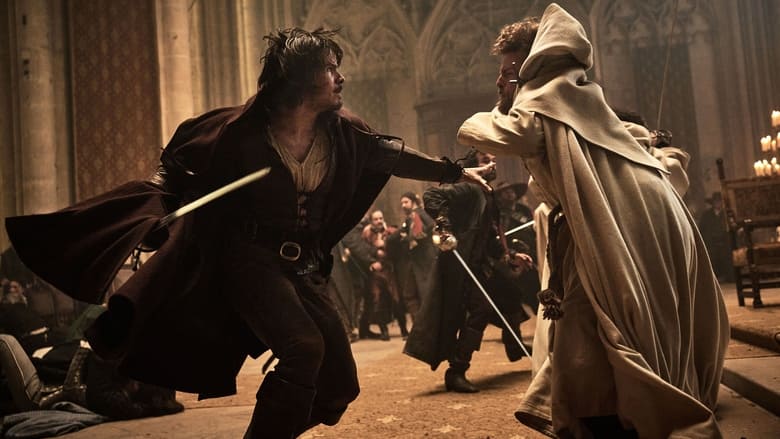
The Three Musketeers: D'Artagnan
2023
-
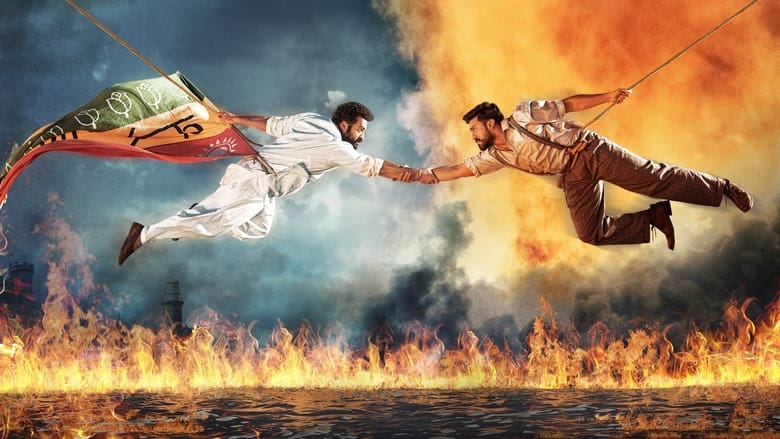
RRR
2022
-

The Boy and the Beast
2015
-

Karate Kid: Legends
2025
-

Gran Turismo
2023
-

Evangelion: 3.0+1.0 Thrice Upon a Time
2021
-

Arthur the King
2024
-

My Hero Academia: Heroes Rising
2019
-

Justice League Dark: Apokolips War
2020
-

Suzume
2022
-
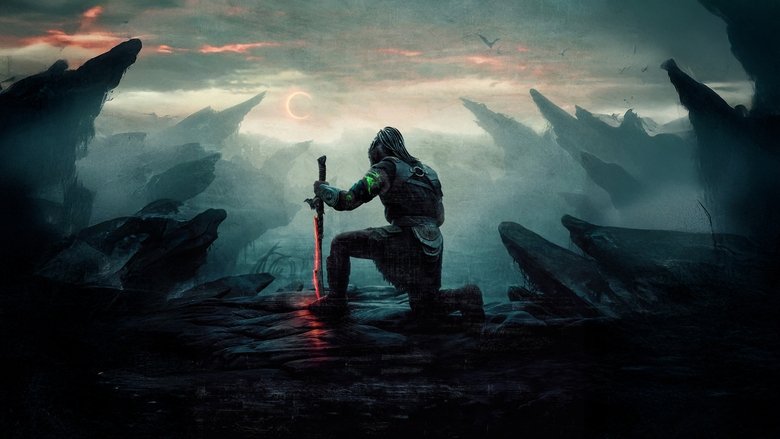
Predator: Badlands
2025
-
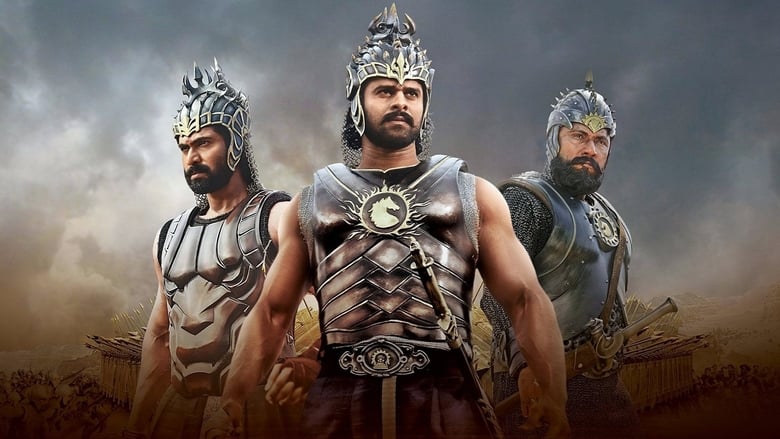
Bāhubali: The Beginning
2015
-

A Taxi Driver
2017
-

My Hero Academia: Two Heroes
2018
-

Batman vs. Robin
2015
-

Italian Race
2016
-

A Dog's Journey
2019
-

Everything Everywhere All at Once
2022
-
Guillermo del Toro's Pinocchio
2022
-
Sound of Freedom
2023