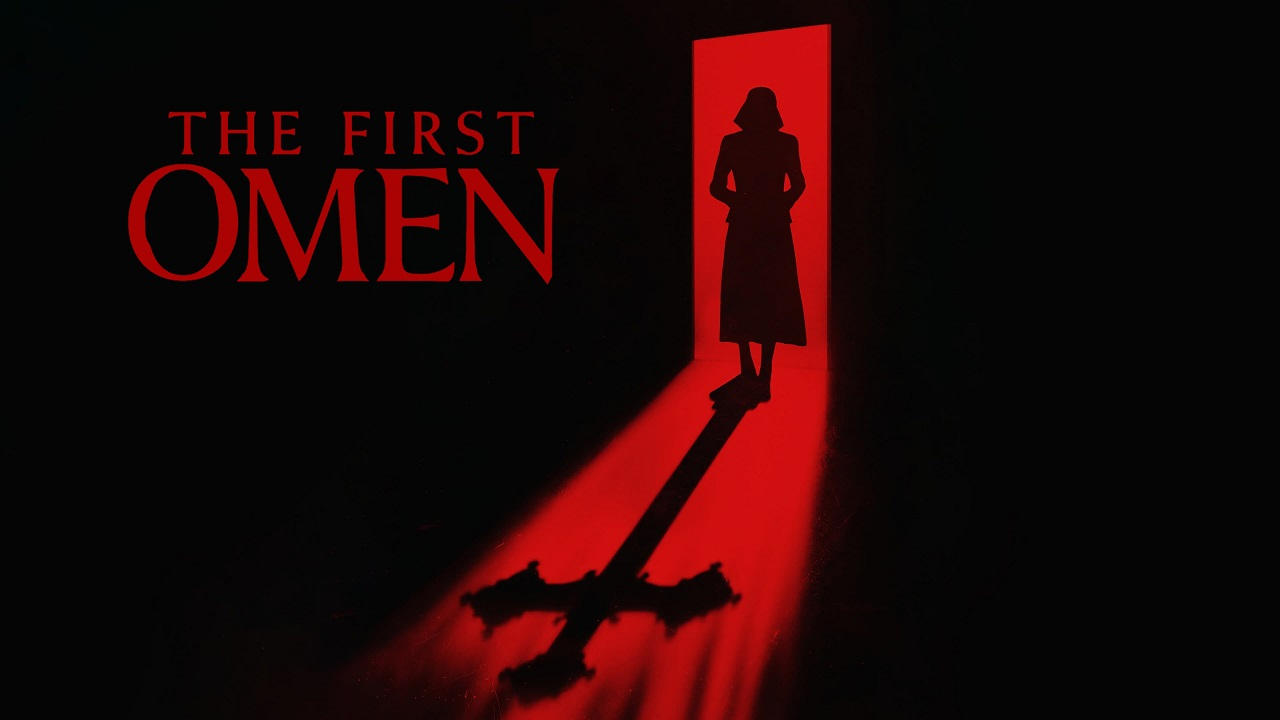
The First Omen
"Holy orders, unholy intentions, and a very bad baby."
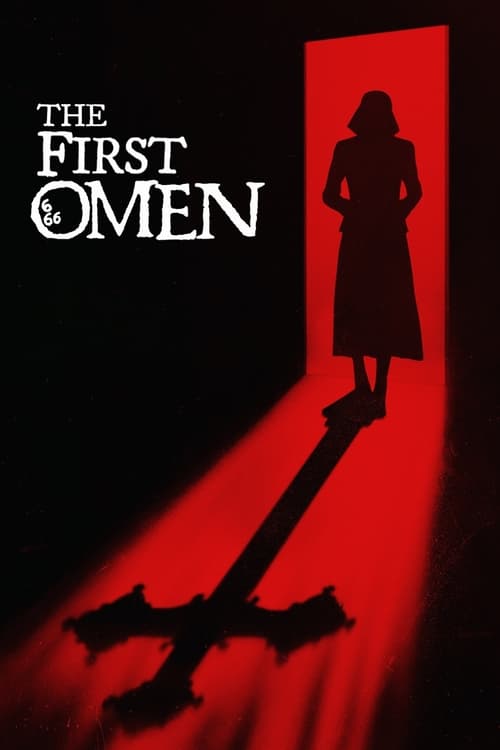
I went into the theater for The First Omen with my expectations buried somewhere in the basement. We live in an era of "franchise fatigue" where every recognizable IP from the 70s is being dug up, dusted off, and milked for a mediocre prequel that explains things nobody asked about. I was also distracted by the fact that I’d accidentally bought a bag of popcorn that was 40% unpopped kernels—I spent the first twenty minutes nervously navigating a minefield of potential tooth-cracks while Rome flickered on screen. But about midway through this film, I stopped worrying about my dental bills because Arkasha Stevenson was doing something I hadn't seen in a studio horror film in years: she was actually trying to disturb me.
A Prequel with a Pulse
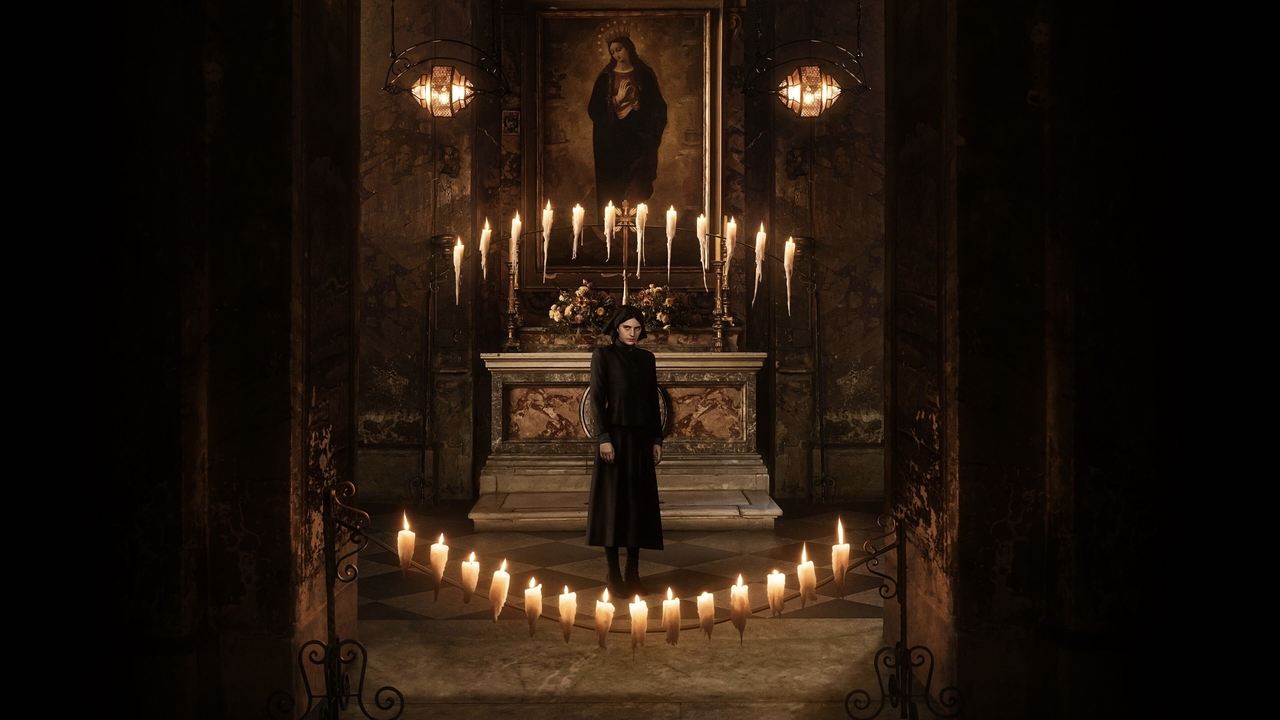
Set in 1971, the story follows Margaret (Nell Tiger Free), a young American novitiate arriving in Rome to take her vows. It’s a period of massive civil unrest in Italy—secularism is rising, and the Church is terrified of losing its grip on the youth. This isn't just window dressing; it’s the engine of the plot. The "terrifying conspiracy" mentioned in the synopsis isn't just about a spooky demon; it’s about a desperate institution trying to manufacture a threat so people will come crawling back to the pews for protection.
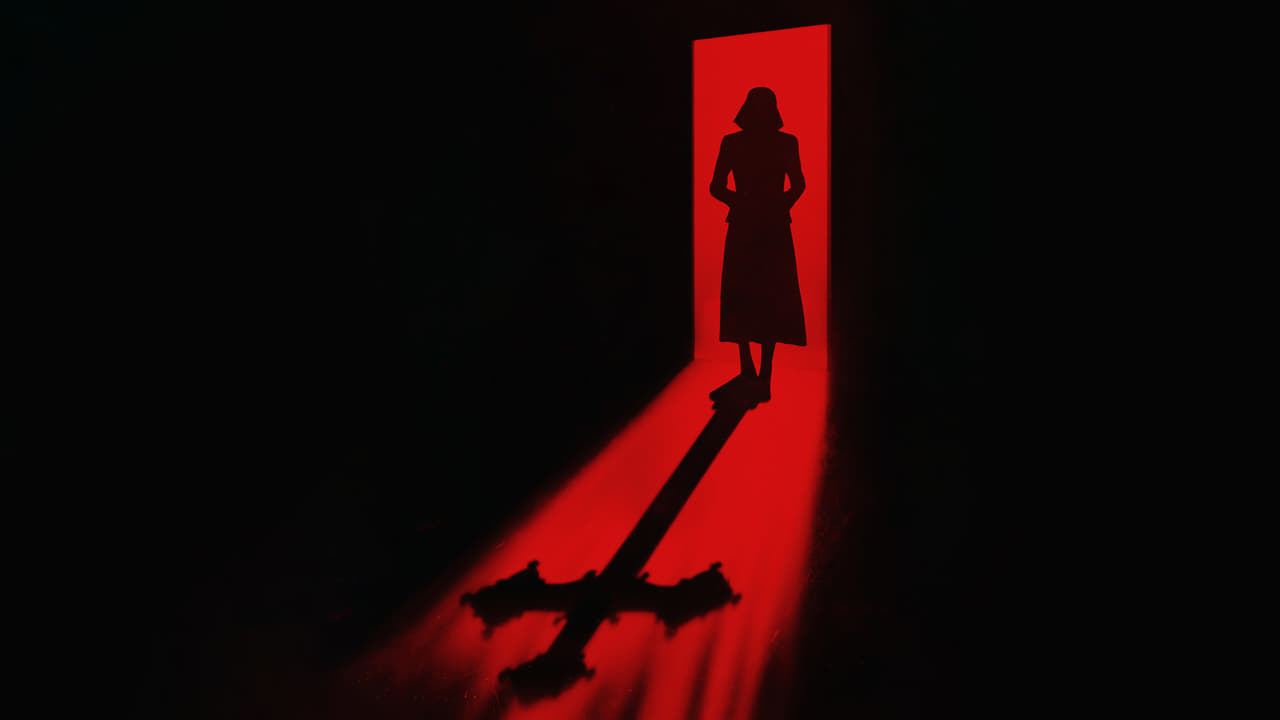
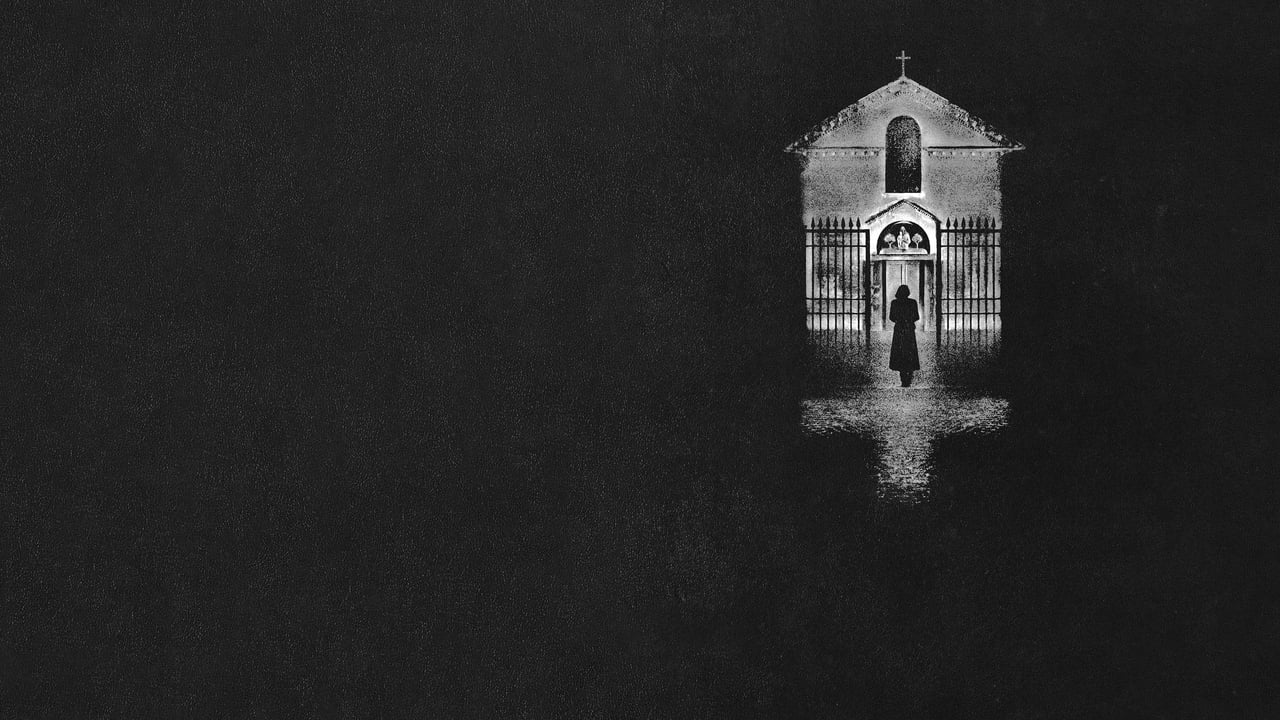
What struck me immediately was how much this felt like a "film" rather than a "content delivery vehicle." Working with cinematographer Aaron Morton, Arkasha Stevenson gives us a Rome that feels heavy, humid, and lived-in. It mimics the texture of 70s cinema without feeling like a cheap Instagram filter. It captures that specific European "nunsploitation" vibe while keeping the psychological stakes grounded. By the time Ralph Ineson shows up as the gravel-voiced Father Brennan (looking like he’s lived on a diet of cigarettes and existential dread), the atmosphere is thick enough to choke on.
The Art of the Body Horror
We need to talk about the "fear mechanics" here, because this isn't your standard jump-scare festival. While there are a few "loud noise" moments, the film thrives on sustained, icky dread and some truly audacious body horror. There is a birthing sequence in this movie that apparently had the director in a long-standing battle with the MPAA, and frankly, I’m amazed it didn't end up with an NC-17 rating for the sheer audacity of its visuals.
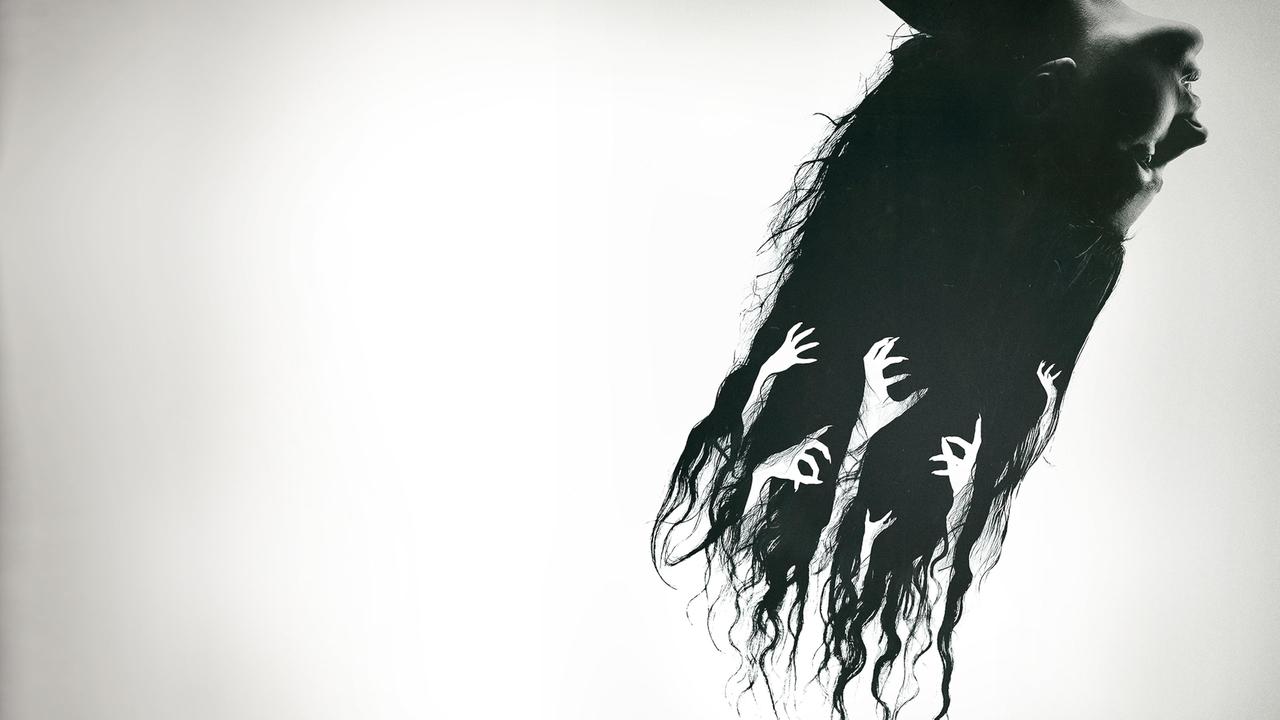
The effects work is a triumph of practical ingenuity over CGI sludge. When the horror hits, it’s tactile. You feel the wetness, the tearing, and the intrusion. It reminded me that horror is most effective when it targets our physical vulnerabilities. One particular scene involving a character’s hand emerging from... somewhere it shouldn't be... is a visual that has been seared into my brain like a hot brand. It’s basically a high-budget Giallo disguised as a Disney-owned blockbuster, and that feels like a minor miracle in 2024.
The Possession of Nell Tiger Free
While the supporting cast is great—Sônia Braga is chillingly austere as Sister Silva, and Charles Dance brings his usual "I know something you don't" gravitas—this is entirely Nell Tiger Free’s movie. Most actors in these roles play "scared" or "innocent," but Free plays "unraveling."
There is a sequence in the middle of the film—a tribute to Isabelle Adjani’s legendary subway breakdown in the 1981 film Possession—where Free undergoes a physical contortion that is genuinely harrowing to watch. It’s a long, unbroken take of her body seemingly fighting itself. In an era where we’re used to seeing digital demons do the heavy lifting, watching a human being use their own muscles and vocal cords to convey a total loss of self is far more frightening. She gives the kind of performance that usually gets ignored by the Oscars simply because she’s covered in gore.
Stuff You Didn’t Notice
Interestingly, the film had a relatively modest budget of $30 million, which is "indie" by Disney/20th Century standards, but it looks twice as expensive as most $200 million Marvel entries. This is likely because Arkasha Stevenson and her team prioritized location shooting and practical builds over green screens.
Also, keep an ear out for Mark Korven’s score. Korven (who also did The Witch) manages to pay homage to Jerry Goldsmith’s original "Ave Satani" themes from the 1976 film without just hitting the replay button. It’s dissonant, choral, and deeply unsettling. It’s the kind of music that makes you want to look over your shoulder even if you’re just sitting in your living room.
The First Omen is that rare legacy prequel that actually justifies its own existence. It manages to bridge the gap between the 1976 classic and modern sensibilities by focusing on the horror of female autonomy being hijacked by a patriarchal power structure. It’s stylish, mean-spirited in all the right ways, and features one of the best lead performances in horror this decade. If you’ve been feeling bored by the current state of studio horror, this is the wake-up call you’ve been waiting for.
Keep Exploring...
-
The Omen
1976
-
Haunt
2019
-
The Prodigy
2019
-
Color Out of Space
2020
-
Freaky
2020
-
Gretel & Hansel
2020
-
Hubie Halloween
2020
-
The Empty Man
2020
-
Willy's Wonderland
2021
-
Bones and All
2022
-

Hellraiser
2022
-
Watcher
2022
-
Cobweb
2023
-
No One Will Save You
2023
-
Thanksgiving
2023
-
The Boogeyman
2023
-
The Last Voyage of the Demeter
2023
-
Abigail
2024
-
Immaculate
2024
-
MaXXXine
2024