The Wild Robot
"Where the motherboard meets the moss."
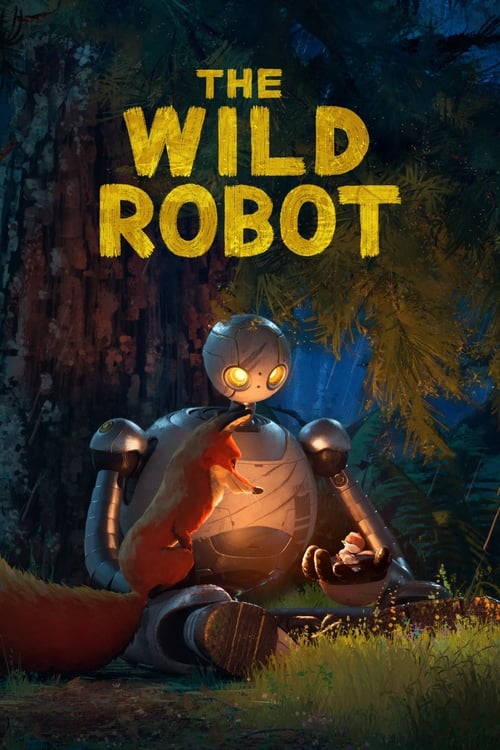
There is a specific, tactile "crunch" to the opening of The Wild Robot that caught me off guard. As Roz, a ROZZUM unit voiced by Lupita Nyong'o, tumbles out of her crate and onto the jagged rocks of an uninhabited island, you don't just see the environment; you feel the humidity. I watched this in a theater where the air conditioning was set to "Arctic Tundra" and I’d forgotten my hoodie, but within ten minutes, the warmth of the film’s color palette had me feeling like I was basking in a summer meadow.

It’s rare to see a film that feels so thoroughly "now" while reaching back for the hand-painted soul of the 1940s. In an era where most big-budget animation looks like it was polished with a high-end buffer until every surface reflects a generic plastic sheen, Chris Sanders has delivered something that looks like a moving oil painting. It’s a defiant, gorgeous response to the visual homogenization of the streaming age.
A Moving Canvas in a Digital Age
We often talk about "IP fatigue" or "franchise saturation" in the 2020s, but The Wild Robot reminds me that the problem isn't the source material—it’s the lack of authorial voice. Chris Sanders, who gave us the jagged, watercolor charm of Lilo & Stitch, utilizes a "painterly" rendering style here that makes every frame look like a concept art board. DreamWorks finally realized that looking like a high-end plastic toy isn't the only way to make a movie.
The tech behind this is fascinating. Producer Jeff Hermann and the team used new software to allow digital artists to "paint" onto the 3D models, creating a look that’s closer to Bambi or a Miyazaki masterpiece than it is to the stiff realism we’ve grown used to. It’s a technical achievement that actually serves the story. Because the world looks so organic and "alive," the arrival of the sleek, white, geometric Roz feels like a genuine violation of nature. She is a piece of hardware dropped into a world of software, trying to find a port where she can plug in.
The Logic of Kindness
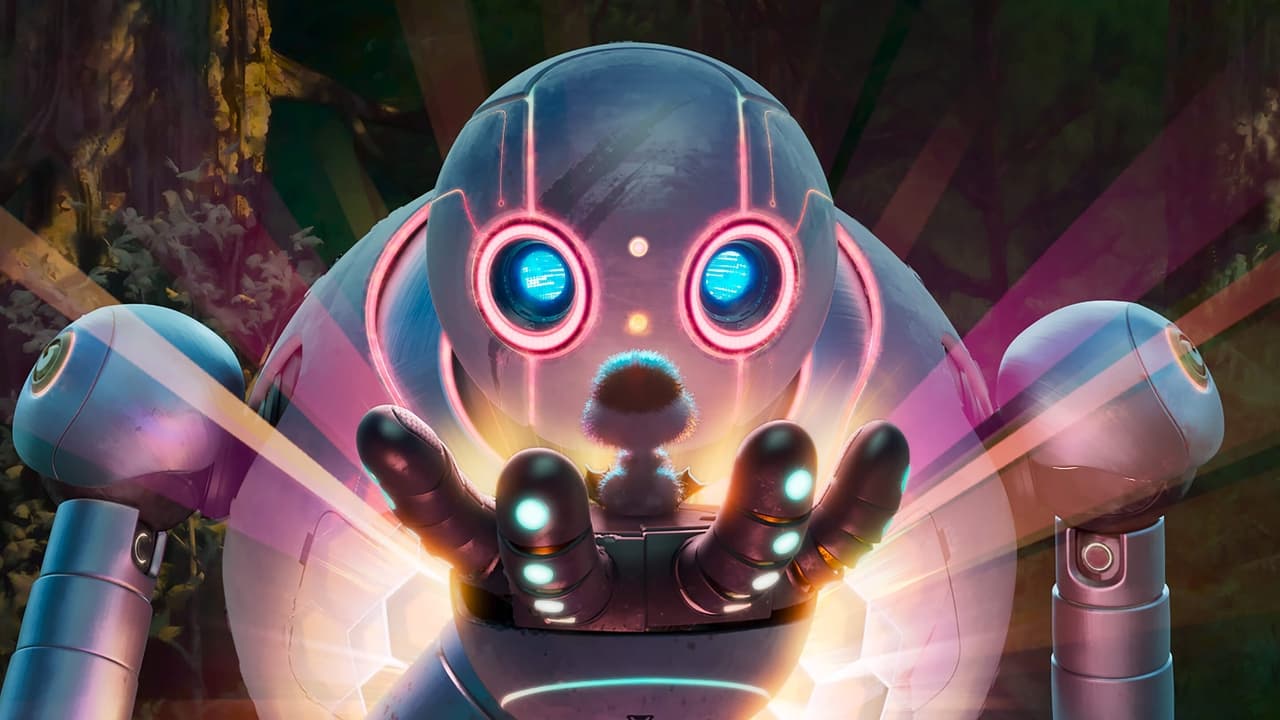
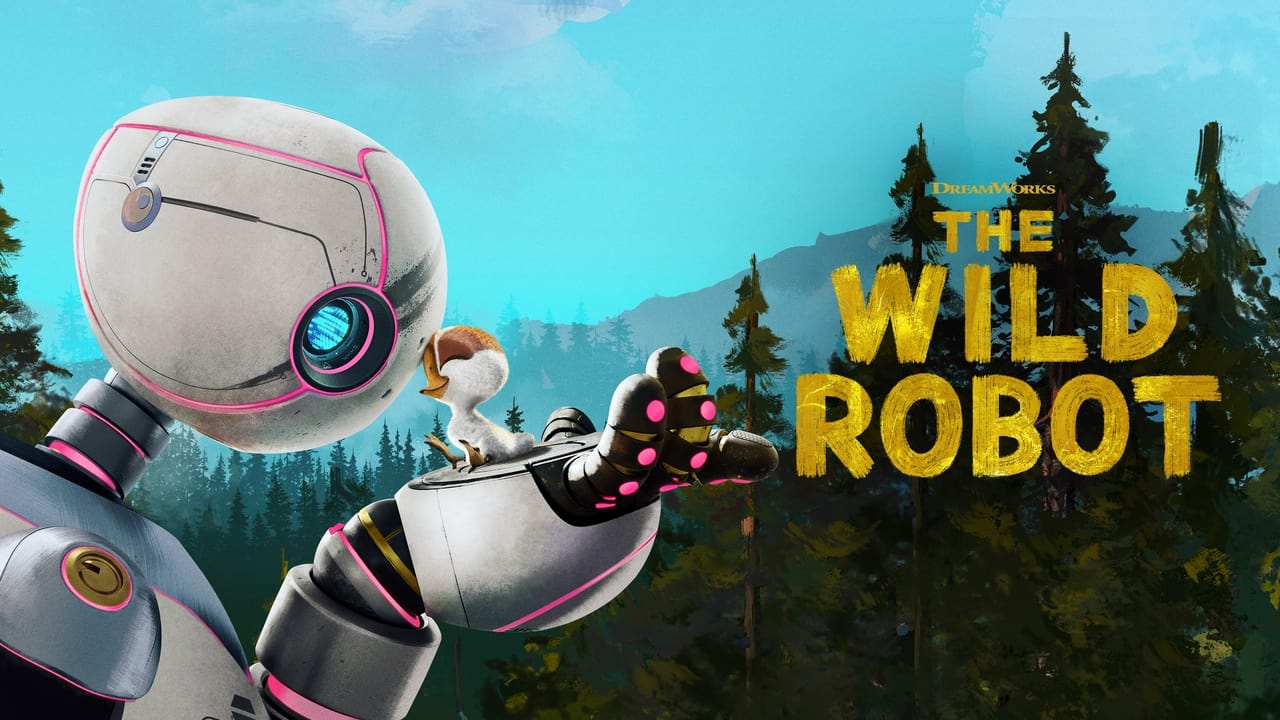
The core of the drama isn't just "robot learns to love." It’s a much more cerebral exploration of what it means to override your programming. Roz’s directive is to complete tasks. When she accidentally crushes a goose nest and is left with a single egg, her "task" becomes motherhood. Lupita Nyong'o delivers one of the most sophisticated vocal performances I’ve heard in years. She begins with a chirpy, terrifyingly polite Siri-cadence and gradually introduces "human" glitches—pauses, sighs, and a softening of the edges that feels earned rather than scripted.
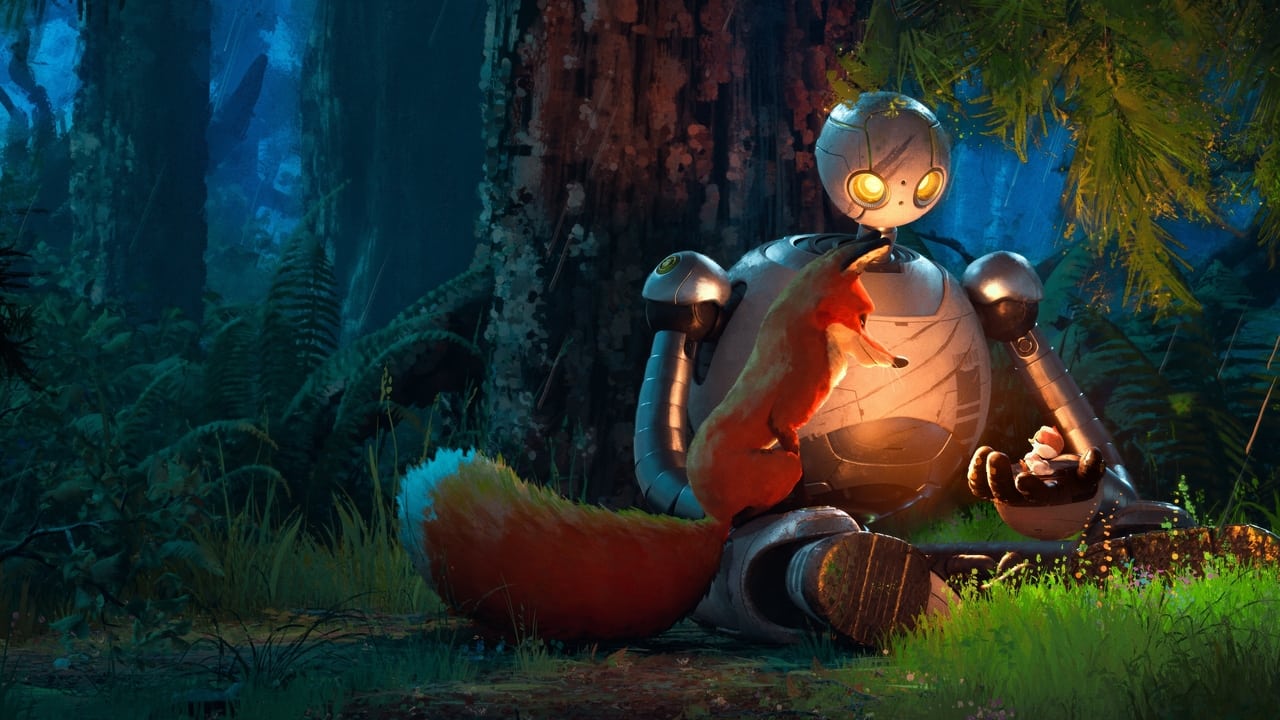
Her foil is Fink, a fox voiced by Pedro Pascal, who brings a cynical, "survival of the fittest" energy that grounds the film’s more whimsical moments. The relationship between the robot, the fox, and the runt goose, Brightbill (Kit Connor), is where the film’s philosophical weight lies. It asks a heavy question for a "family" movie: Is kindness a survival strategy or a defect? In the harsh reality of the island, where Matt Berry’s neurotic beaver is obsessed with gnawing down a giant tree and Bill Nighy’s elder goose speaks with the weary wisdom of a seasoned pilot, Roz’s optimism is a radical, disruptive force.
The Prestige of the Wild
This isn't just a weekend distraction; it’s a prestige picture that has been sweeping through the festival circuit with the kind of "For Your Consideration" momentum usually reserved for heavy-hitting live-action dramas. Composer Kris Bowers, known for his work on Green Book and Bridgerton, provides a score that eschews the typical frantic "cartoon" energy for something sweeping and orchestral. It’s his first foray into animation, and it shows—he treats the emotional beats with a reverence that elevates the whole production.

A few bits of trivia for the craft nerds: Lupita Nyong'o reportedly went through dozens of iterations of Roz’s voice, specifically trying to find a tone that sounded like an AI trying to mimic a mother’s "perfection" before settling into something more authentic. Also, the film’s visual language was heavily influenced by the work of Tyrus Wong, the legendary lead artist on Disney's Bambi. You can see it in the way the backgrounds become impressionistic and blurry during the high-speed chase sequences, focusing your eye purely on the character's movement.
I’ll be honest: If you don’t cry during the migration sequence, you might actually be a ROZZUM unit yourself. The film handles the "drama" of parenting—the exhaustion, the let-down, the terrifying moment your "task" flies away—with more honesty than most live-action films released this decade. It’s a contemporary masterpiece that manages to speak to our current anxieties about AI and technology while remaining rooted in the dirt and the feathers of the natural world.
The Wild Robot is a rare bird—a studio film with a soul, a technological marvel that feels handmade, and a drama that respects the intelligence of its audience, regardless of their age. It doesn't just ask us to discover our nature; it asks us to decide what we want that nature to be. Whether you're a fan of the Peter Brown books or just someone who appreciates seeing the medium of animation pushed to its limits, this is the one you can't miss. Just remember to bring a jacket if your local theater is as chilly as mine.
Keep Exploring...
-
The Call of the Wild
2020
-
Transformers One
2024
-
Inside Out
2015
-
Finch
2021
-
Guillermo del Toro's Pinocchio
2022
-
The Boy and the Beast
2015
-
The Iron Giant
1999
-
How to Train Your Dragon: The Hidden World
2019
-
Raya and the Last Dragon
2021
-

Spider-Man: Across the Spider-Verse
2023
-
The Boy and the Heron
2023
-
How to Train Your Dragon
2010
-
Soul
2020
-
How to Train Your Dragon: Homecoming
2019
-
Kubo and the Two Strings
2016
-
Wolfwalkers
2020
-
Evangelion: 3.0+1.0 Thrice Upon a Time
2021
-
Suzume
2022
-

Flow
2024
-
Spirit: Stallion of the Cimarron
2002