We Live in Time
"A life lived out of order."
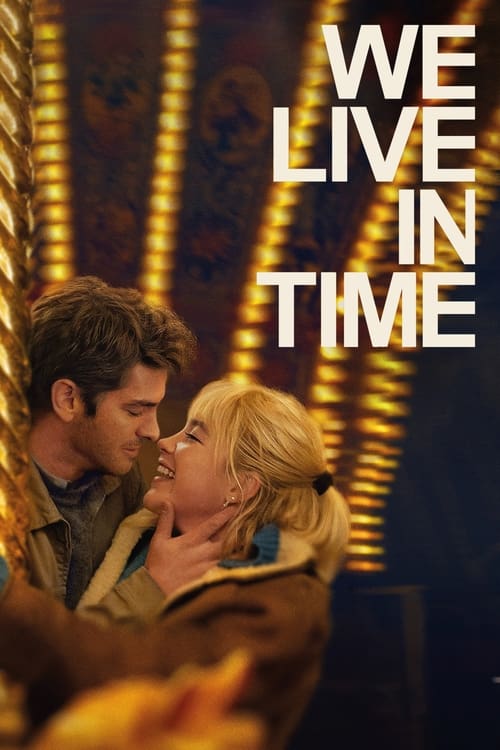
There’s a specific kind of cinematic manipulation that involves showing you the end of a story before the middle, a trick designed to make every early smile feel like a punch to the gut. We’ve seen it before, but rarely has a film felt so much like a deck of glossy Polaroids shuffled by a toddler. I went into the theater expecting a standard "weepie"—the kind where a beautiful person gets a terminal diagnosis and everyone learns a Lesson—but John Crowley (who directed the wonderfully earnest Brooklyn) decides to play a much more interesting game with our heartstrings.
The Chronological Scramble
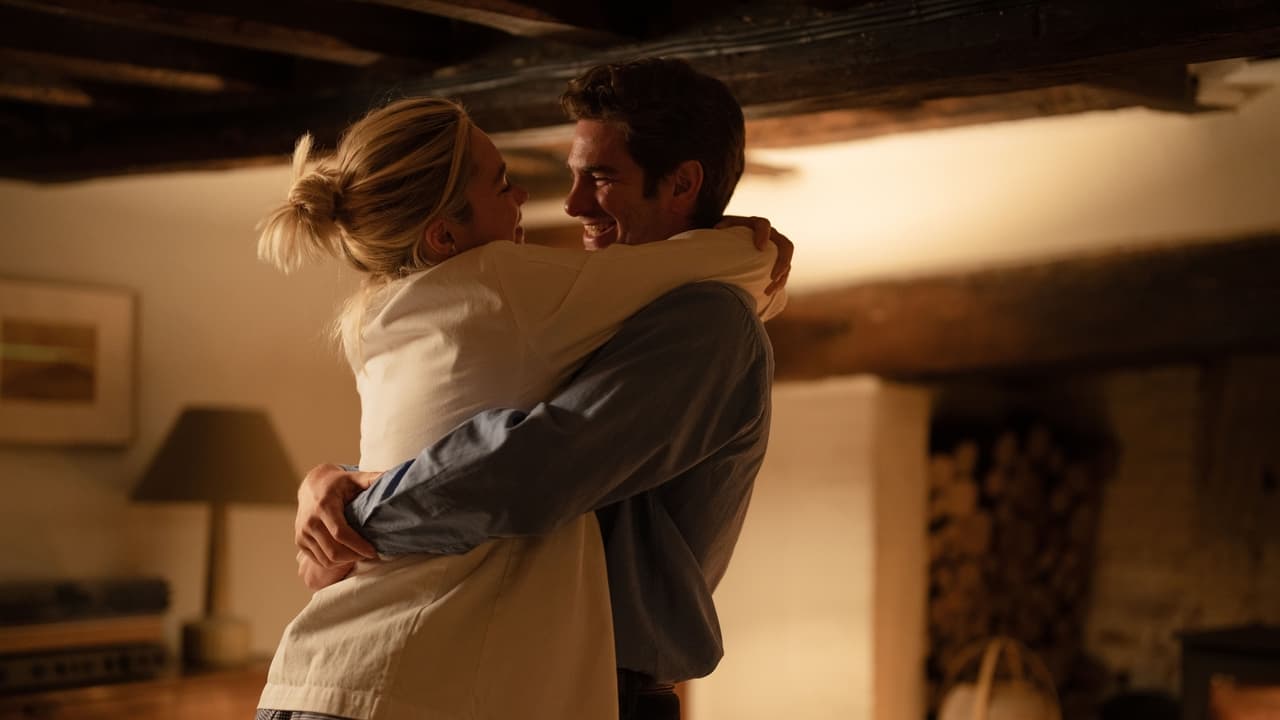
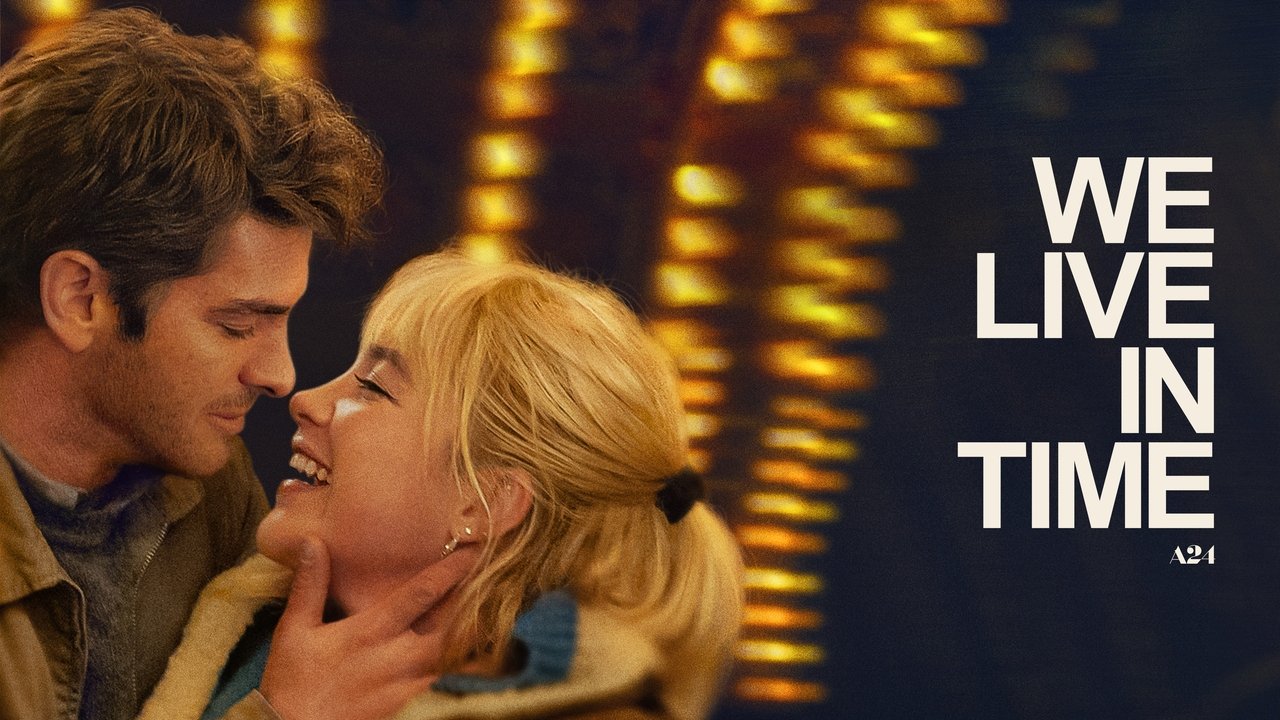
The film isn't a straight line; it’s a mosaic. One minute, we’re watching Florence Pugh’s Almut, a high-octane competitive chef, accidentally hitting Andrew Garfield’s Tobias with her car while he’s wandering a dark road in a bathrobe. The next, they are grappling with a second bout of ovarian cancer. Then, we jump to them raising a daughter, Ella (Grace Delaney), in a rustic farmhouse that looks like it was designed specifically for an architectural digest spread.
At first, I found the jumping around a bit jarring. I was actually distracted for a solid three minutes by the fact that the guy sitting next to me was wearing a digital watch that beeped every time the timeline shifted—I genuinely couldn't tell if it was a meta-theatrical choice or just a man who really loves his 2:00 PM alarm. But once you settle into the rhythm, the structure becomes the film’s greatest strength. By seeing the beginning, middle, and end of their decade-long romance simultaneously, the movie highlights how our memories actually work. We don't remember our lives in order; we remember them in textures.
Chemistry in the Streaming Age
In an era where we often complain about a lack of "movie star chemistry" in big-budget franchise slop, Andrew Garfield and Florence Pugh are doing the heavy lifting to prove that the romantic lead isn't dead. Pugh is a force of nature here. She plays Almut with a prickly, ambitious edge that keeps the character from ever feeling like a "tragic victim" archetype. Watching her prepare for the Bocuse d’Or—a prestigious culinary competition—while her body is actively betraying her is some of the most stressful cooking I've seen since The Bear.
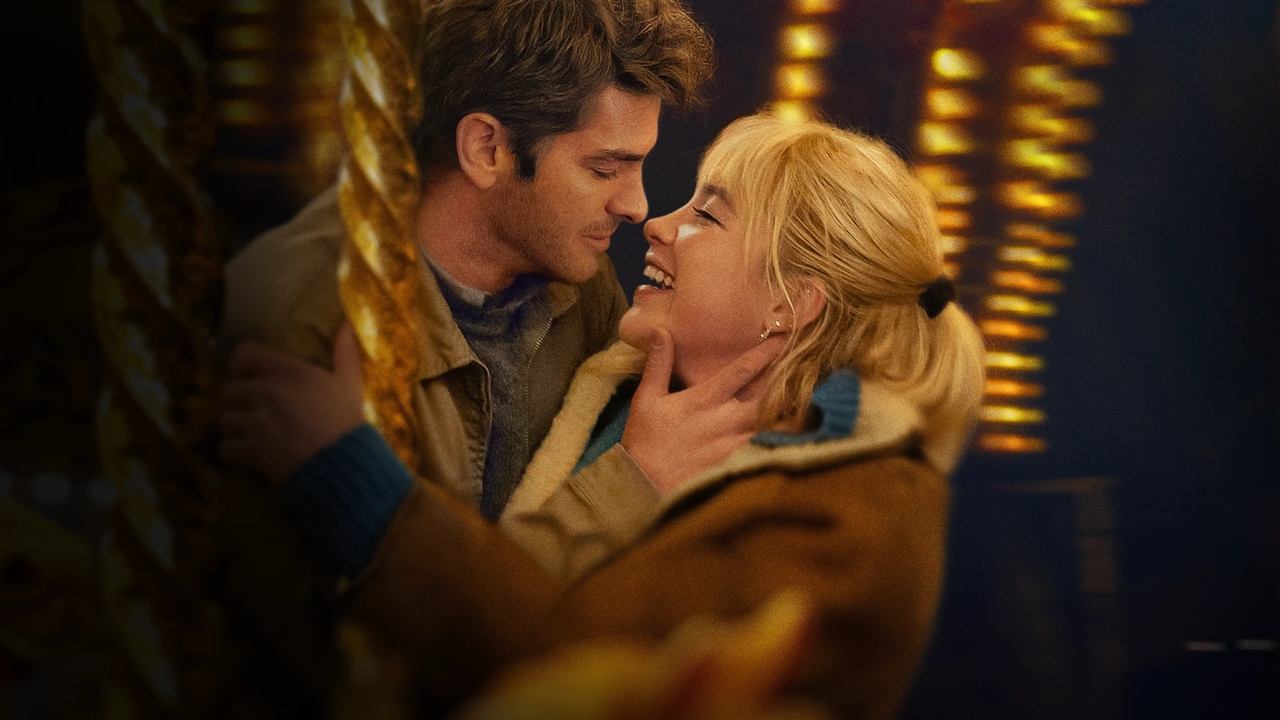
Garfield, meanwhile, is the king of the "Sensitive British Man" genre. He brings a stuttering, wide-eyed vulnerability to Tobias that balances Pugh’s sharpness. They feel like a real couple who actually like each other, which sounds like a low bar, but half the rom-coms on Netflix right now feel like they were cast by an AI that hates human contact. Their intimacy feels lived-in, especially in a messy, hilarious, and slightly traumatizing scene involving a gas station bathroom birth that is easily the film’s standout sequence.
The Yellow Horse and Viral Marketing
We have to talk about the horse. If you were on social media in the months leading up to the release, you saw the meme: a deranged-looking yellow carousel horse that appeared in a promotional still. It became a viral sensation, and honestly, the horse looks like it’s witnessing the heat death of the universe. It’s a perfect example of how contemporary cinema exists in conversation with the internet before a single ticket is even sold.
Beyond the memes, the film feels very "now" in its production. It’s a mid-budget drama ($20 million) that actually got a theatrical release in a landscape dominated by IP. It’s the kind of movie that feels designed to be "A24-adjacent"—beautifully shot by Stuart Bentley with a soft, naturalistic glow that makes even a hospital hallway look like a painting. It also treats Almut’s career as a chef with genuine technical respect, avoiding the usual Hollywood trope of "she’s a chef because she wears an apron." Pugh actually spent time training in professional kitchens, and it shows in the way she handles a knife.

Stuff You Didn't Notice
- The Method Chop: Florence Pugh actually shaved her head on camera for the role. In a world of questionable "bald caps" and CGI de-aging, seeing a performer actually commit to the physical reality of the script adds a layer of authenticity that is hard to fake. - The Soundtrack: The score is by Bryce Dessner of the band The National. If you’ve ever listened to their music, you know exactly the vibe: melancholy, sophisticated, and deeply "dad-rock" in its emotional intelligence. - Weetabix Trivia: Tobias works for Weetabix in the film, which is a very specific British detail. Apparently, the production had to get permission to use the brand, and it adds a weirdly grounded, mundane reality to his character compared to Almut’s high-flying culinary world.
We Live in Time is a beautifully acted, structurally ambitious tear-jerker that manages to avoid the worst clichés of the "sick person" subgenre. It understands that a life isn't defined by its ending, but by the chaotic, non-linear collection of moments that lead up to it. While the timeline hopping might frustrate some, it creates a unique emotional cumulative effect. I left the theater feeling like I’d just spent ten years with these people, even if those years were delivered to me in a blender. It's a reminder that even in an era of franchise fatigue, a simple story about two people trying to make their minutes count can still be the most powerful thing on screen.
Keep Exploring...
-
Brooklyn
2015
-

The Aeronauts
2019
-

The Art of Racing in the Rain
2019
-
The Goldfinch
2019
-
Tolkien
2019
-

I Still Believe
2020
-
Summer of 85
2020
-
Benedetta
2021
-

The Worst Person in the World
2021
-

Bones and All
2022
-
All of Us Strangers
2023
-
Priscilla
2023
-
Beating Hearts
2024
-

A Whisker Away
2020
-
Chemical Hearts
2020
-

Clouds
2020
-
Life in a Year
2020
-
Radioactive
2020
-

The Half of It
2020
-
The Hating Game
2021