Avatar: Fire and Ash
"Pandora bleeds as the embers rise."
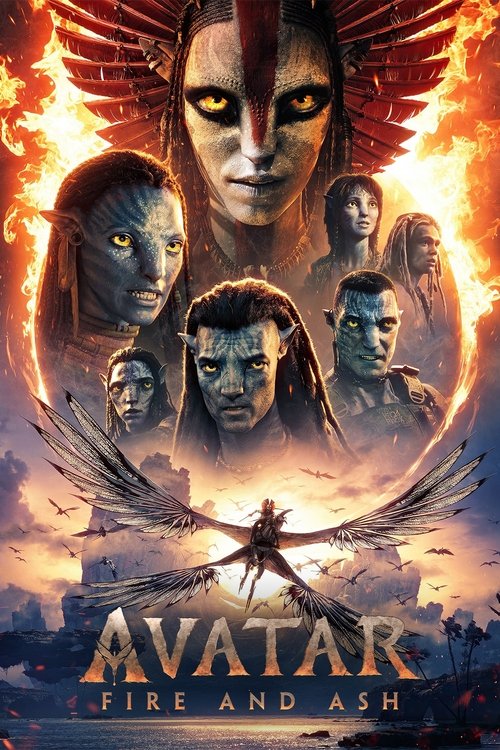
I remember sitting in the theater back in 2009, wearing those clunky plastic 3D glasses that always seemed to smudge, thinking James Cameron had peaked. Then 2022 happened, and I realized I should never bet against the man. Now, walking into Avatar: Fire and Ash, I felt that familiar mix of skepticism and "show me the magic" energy. I watched this in a theater where the air conditioning was set to 'Arctic Tundra,' which was a weird, shivering contrast to all the molten lava and scorching heat on the screen.
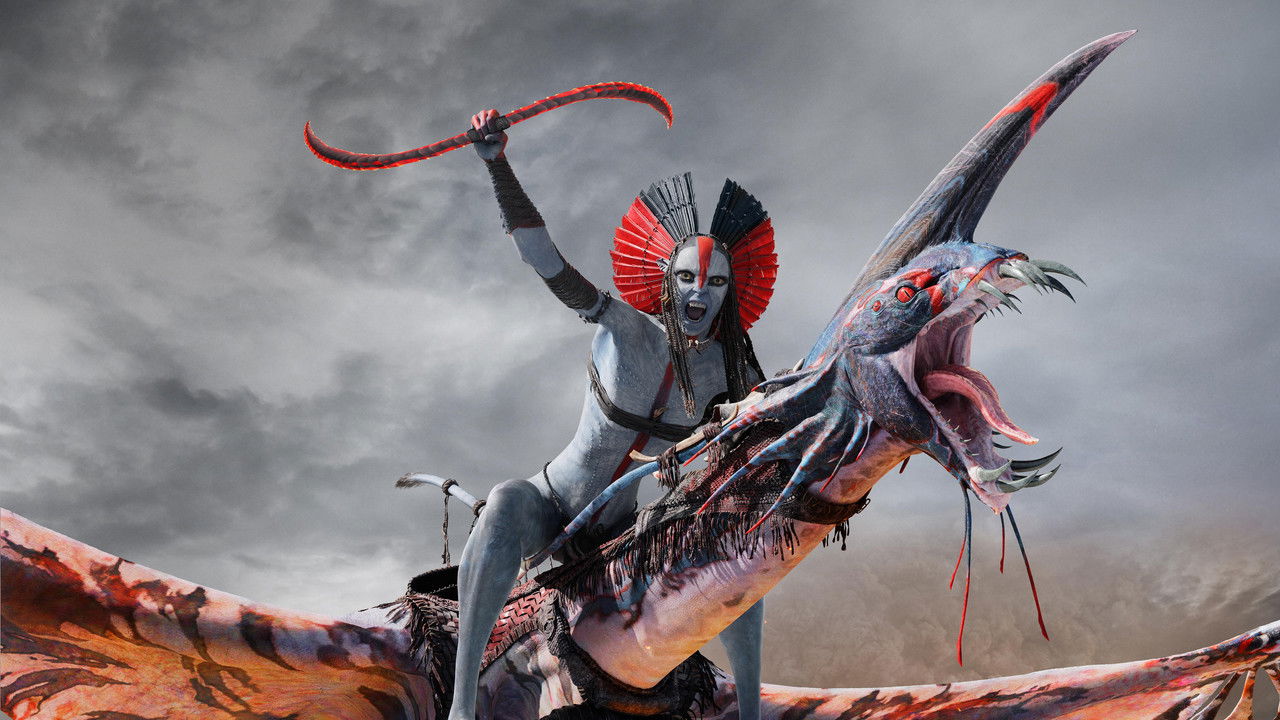
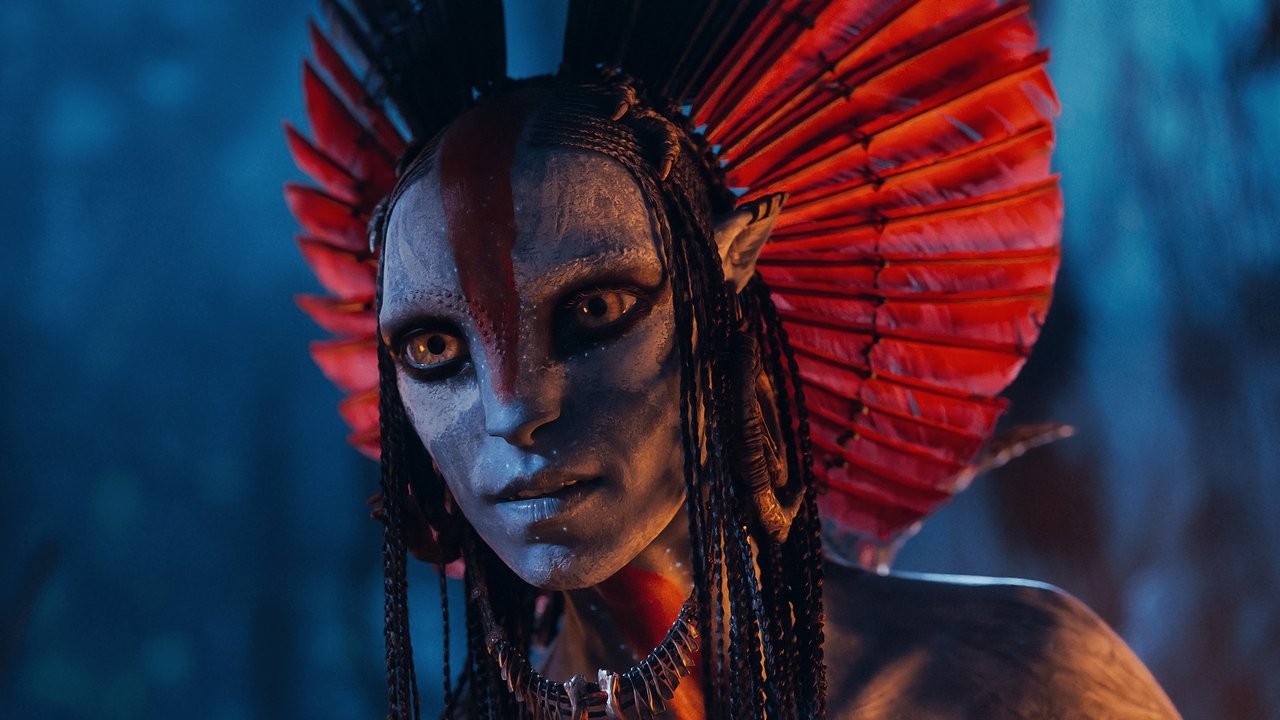
If the first film was an introduction to the forest and the second was a deep dive into the reef, Fire and Ash is the moment Pandora stops being a postcard and starts being a powder keg. We’ve spent two movies seeing the Na’vi as the idealized guardians of nature, but Cameron finally pulls the rug out from under us. Enter the "Ash People." They aren't the blue-skinned, tree-hugging neighbors we’re used to. They are gray, soot-stained, and led by Varang (Oona Chaplin, who brings a terrifying, jagged edge to the role). For the first time, the threat isn't just the "Sky People" in their metal suits; it’s a reflection of the Na'vi themselves at their most vengeful.
The Beauty of a Scorched Earth
The visual shift here is jarring in the best way possible. We’re moving away from the bioluminescent neon dreams of the previous films and into a world of volcanic glass, obsidian plains, and suffocating heat hazes. The Na’vi finally getting a personality transplant beyond "nature-loving" is the best thing to happen to this franchise, and the Ash People feel like a genuine evolution of the lore rather than just a palette swap.
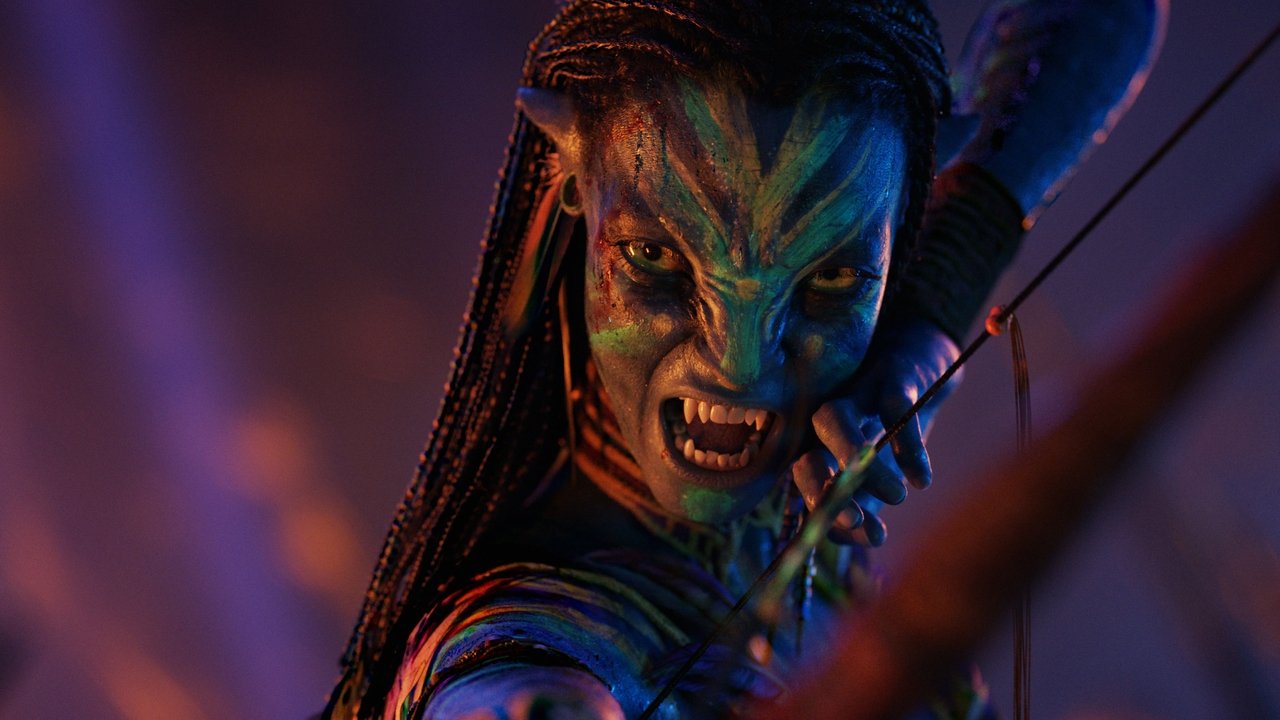
Technically, the film is an absolute beast. In an era where "franchise fatigue" is a constant headline and Marvel movies sometimes look like they were rendered on a laptop during a lunch break, Cameron’s $350 million budget is visible in every single frame. The high-frame-rate (HFR) tech feels more refined here; it doesn't have that "soap opera effect" that distracted me in The Way of Water. Instead, the motion capture for Zoe Saldaña as Neytiri remains the gold standard. There is a scene involving a funeral pyre where you can see the micro-tremors in her jaw—it’s acting that transcends the digital mask. Sam Worthington’s Jake Sully has also evolved into a weary, heavy-hearted patriarch who finally feels like he belongs in this world, rather than just visiting it.
A Masterclass in Industrial Ambition
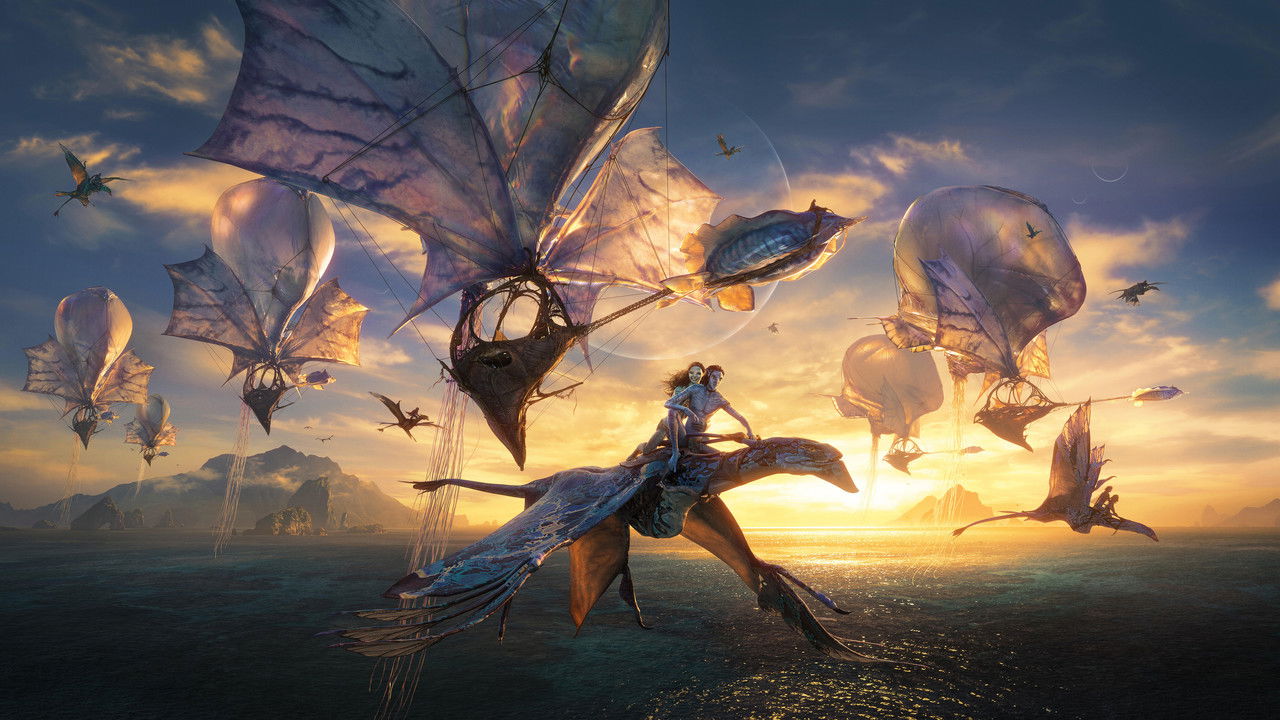
It’s easy to forget that Fire and Ash was largely filmed back-to-back with the previous installment. Apparently, the production was so massive that the crew often referred to the two films as one giant, never-ending marathon. James Cameron didn't just build a movie; he built an ecosystem. This is a film that exists because the director refused to accept the limitations of modern CGI, pushing Weta FX to develop new ways to simulate fire and smoke—traditionally the hardest elements to get "right" in digital spaces.
The cultural impact of these movies is always a weird point of debate. People love to say "nobody remembers the characters' names," yet the box office tells a different story. With over $1.2 billion in the bank for this outing, it’s clear that the "theatrical experience" isn't dead; it just requires a filmmaker who treats a cinema screen like a holy site. While the RDA and Stephen Lang’s Quaritch are still kicking around—and Quaritch is basically a Saturday morning cartoon villain who refuses to stay in the bin at this point— the real drama is internal. The conflict between Jake’s family and Varang’s tribe feels like a commentary on our own polarized world. It’s about what happens when trauma turns a culture inward and turns "protection" into "aggression."
Why We Still Go to the Movies
There’s a specific kind of joy in seeing a "Legacy Sequel" or a long-running franchise actually take a risk. While Fire and Ash hits the expected emotional beats of a family drama, it feels darker and more cynical than its predecessors. It challenges the "Avatar" brand. Sigourney Weaver continues to do some of the weirdest, most fascinating work of her career as Kiri, a character who feels like she’s drifting into a different movie entirely—one about cosmic horror and planetary consciousness.

Does it feel long at 198 minutes? Maybe a little in the second act when the political maneuvering between the tribes slows down. But then a set piece happens—a chase across a collapsing volcanic bridge or a confrontation in a rain of ash—and you remember why you paid for the IMAX ticket. It’s pure, unadulterated spectacle that doesn't feel manufactured by a committee. It feels like the obsessed vision of one man who really, really wants to show you his pet planet.
Avatar: Fire and Ash is a reminder that the blockbuster isn't a dying art form; it just needs a soul. By turning the heat up on Pandora and showing us the darker side of the Na'vi, Cameron has breathed new life into a world that was starting to feel a bit too safe. It’s big, it’s loud, and it’s undeniably the work of a director who knows exactly how to manipulate your heartbeat. If this is where the franchise is heading, I’m ready to stay on Pandora until the lights go out.
Keep Exploring...
-

Avatar: The Way of Water
2022
-
Avatar
2009
-

Minions: The Rise of Gru
2022
-

Ghostbusters: Afterlife
2021
-

Guardians of the Galaxy Vol. 3
2023
-
Jurassic World
2015
-
The Croods: A New Age
2020
-

Free Guy
2021
-
Spider-Man: No Way Home
2021
-

Venom: Let There Be Carnage
2021
-
Doctor Strange in the Multiverse of Madness
2022
-
Puss in Boots: The Last Wish
2022
-

Spider-Man: Across the Spider-Verse
2023
-
The Super Mario Bros. Movie
2023
-
Dune: Part Two
2024
-
Godzilla x Kong: The New Empire
2024
-

Kung Fu Panda 4
2024
-
Moana 2
2024
-
Venom: The Last Dance
2024
-

How to Train Your Dragon
2025