Frankenstein
"Stitched together with pride and lightning."
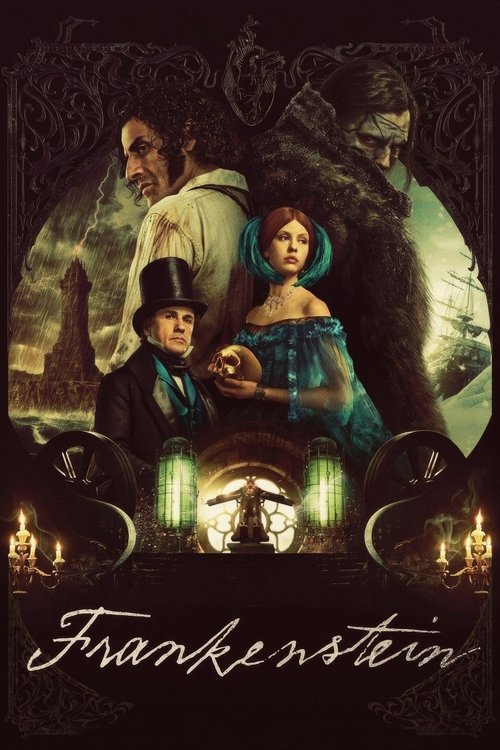
The air in Guillermo del Toro’s Frankenstein doesn't just feel cold; it feels heavy, like the atmosphere of a tomb that’s been opened for the first time in a century. We’ve seen Mary Shelley’s "Modern Prometheus" reimagined a thousand times—from the flat-topped iconicism of Karloff to the shirt-ripping intensity of Branagh—but del Toro treats the source material less like a script and more like a religious text. It’s a massive, $120 million gothic mural that somehow managed to make less at the box office than a mid-tier car wash, yet here I am, obsessed with it. I actually watched this on a rainy Tuesday while trying to finish a bowl of particularly bland oatmeal, and the movie was so grand it made my breakfast feel like a cinematic tragedy.

The Architect of Hubris
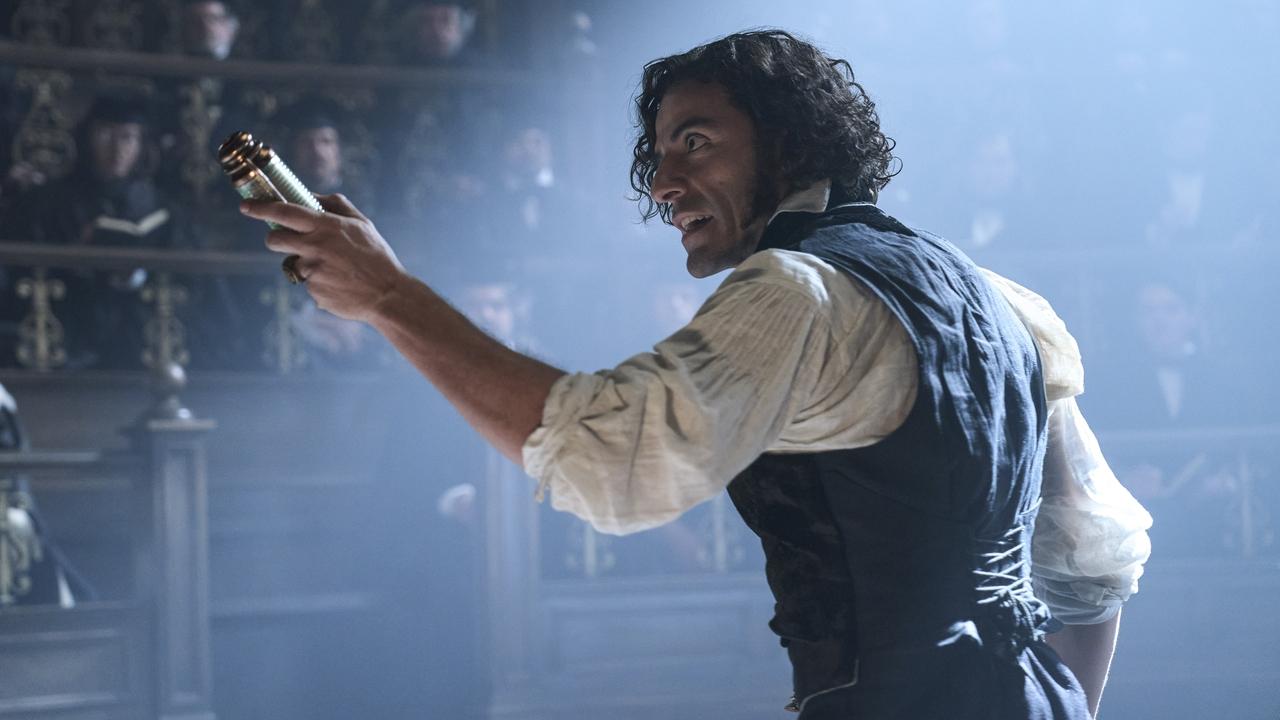
Oscar Isaac plays Victor Frankenstein not as a shouting madman, but as a man vibrating with the quiet, terrifying frequency of absolute ego. He’s a tech-bro of the 19th century, convinced that the laws of nature are just bugs in the system that he alone can patch. Isaac’s performance is twitchy and intellectual; you can practically see the gears grinding behind his eyes as he convinces himself that his lack of ethics is actually a form of courage. When he finally brings the Creature to life, it’s not a moment of triumph—it’s a violation.
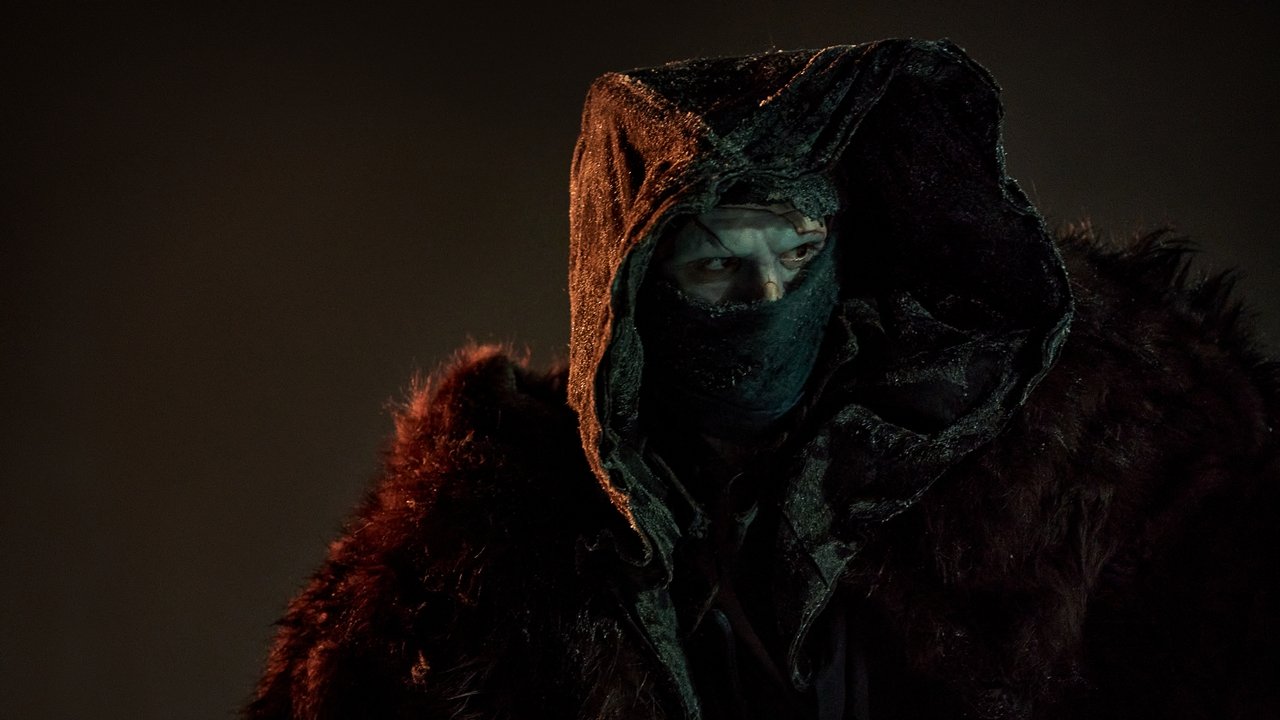
The real revelation, however, is Jacob Elordi. Standing at a natural 6'5", Elordi was already halfway to a monster, but the practical effects team (led by the legends at Legacy Effects) transformed him into something agonizingly human and utterly alien. Jacob Elordi’s Creature looks like a rain-soaked Greek statue that someone tried to glue back together in the dark. There’s a scene where he’s wandering the fog-drenched mountainside, his stitches weeping, trying to mimic the sound of a bird, and it’s the most heartbreaking thing I’ve seen in years. He doesn't play a "monster"; he plays a discarded child in a giant's body.
A Masterpiece of Damp and Shadow
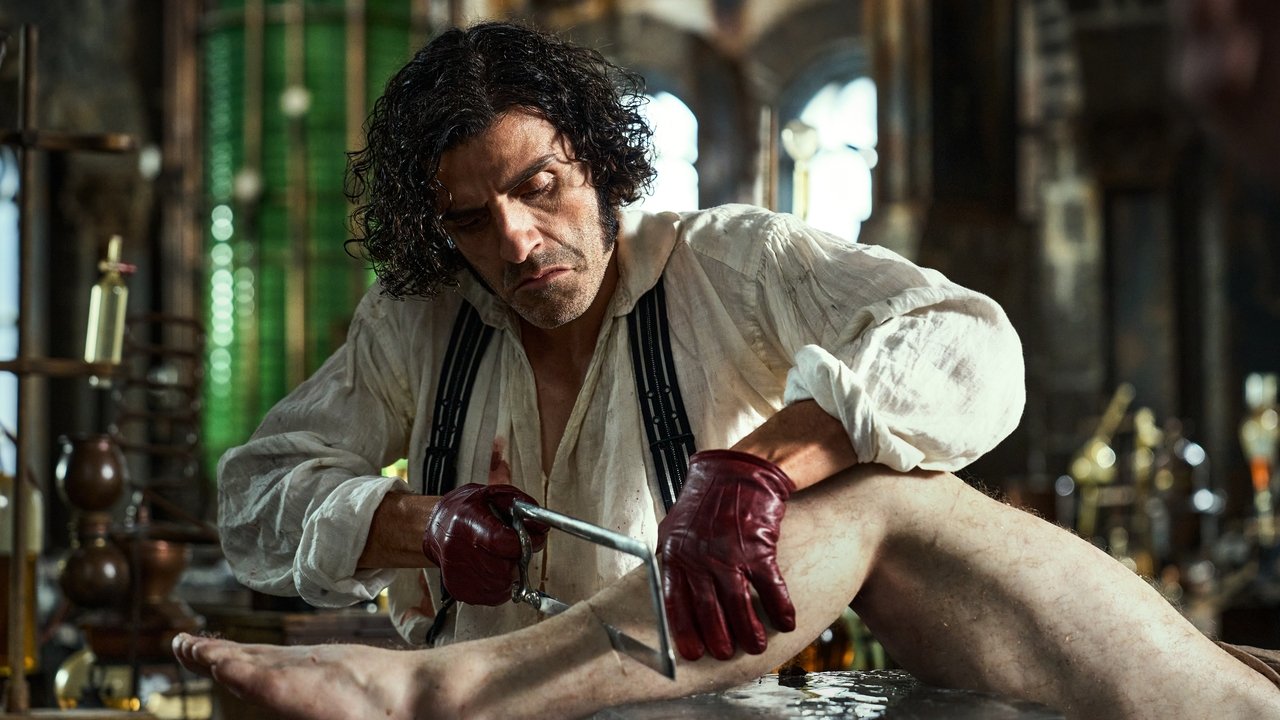
The look of this film is purely del Toro. Working again with cinematographer Dan Laustsen (The Shape of Water, Crimson Peak), the duo creates a world where every surface looks like it would be cold to the touch. The production design is architectural storytelling at its peak. Victor’s laboratory isn't a collection of bubbling beakers; it’s a cavernous, rib-caged cathedral of copper and bone. It feels lived-in, rusted, and dangerous.

The score by Alexandre Desplat avoids the usual "horror" stings. Instead, it’s a mournful, sweeping orchestral piece that sounds like it’s grieving for the characters before they even die. The way the music swells when Mia Goth (playing Elizabeth/Claire) enters the frame provides a necessary, fragile warmth. Goth brings a strange, ethereal quality to a role that could have been a standard "suffering wife" trope, making her the moral compass in a story where everyone else has lost their north star.
The $120 Million Secret
It’s impossible to talk about Frankenstein without addressing the elephant in the room: the box office. Making less than $500,000 on a budget that could buy a small country is the kind of failure that usually gets people fired and movies erased from history. But this is the "Streaming Era" paradox. Because it was a Netflix-backed venture with a limited theatrical window, the "failure" is more of a clerical error than a reflection of its quality. Apparently, Guillermo del Toro had been trying to make this specific movie since 2008, and the passion is evident in every frame.
The behind-the-scenes trivia is a goldmine for us nerd types. For instance, the makeup for the Creature took nearly seven hours to apply every day, and Jacob Elordi reportedly spent that time listening to audiobooks of Milton’s Paradise Lost to stay in the headspace. Also, the film was shot largely on location in Eastern Europe and Scotland, with del Toro insisting on real fog and real rain whenever possible. You can feel that authenticity; Victor Frankenstein is basically just a tech bro with a god complex and better tailoring, and the grime on his boots feels as real as his arrogance.
Why It Matters Now
In an era where we’re constantly arguing about AI and the ethics of "creating" life through algorithms, Frankenstein feels uncomfortably relevant. It’s not just a horror movie; it’s a warning about what happens when we prioritize the "could" over the "should." Christoph Waltz and Charles Dance provide gravitas as the older generation watching in horror as the world Victor builds starts to crumble, and their scenes feel like a bridge to the classic Hammer Horror films of the past.
Despite the lack of theatrical revenue, the film has found its home among the "Popcornizer" crowd. It’s the kind of movie that gets better when you’re watching it at midnight, the light from the screen the only thing cutting through the dark. It’s a cult classic born from the wreckage of a box office bomb, and frankly, that’s exactly the kind of tragic origin story Mary Shelley would have loved.
Ultimately, this is a film that demands your full attention. It’s slow, it’s heavy, and it refuses to give you the easy jump scares that modern horror usually relies on. But if you’re willing to sit with the sadness and the shadow, you’ll find a movie that is as beautiful as it is grotesque. It’s a reminder that even in an age of franchises and safe bets, there’s still room for a director to spend a fortune on a beautiful, doomed dream. Watch it with the lights off and the sound up.
Keep Exploring...
-
Guillermo del Toro's Pinocchio
2022
-

The Devil's Backbone
2001
-
Nightmare Alley
2021
-
Pan's Labyrinth
2006
-
The Shape of Water
2017
-
The Exorcism of God
2022
-
Doctor Sleep
2019
-

Midsommar
2019
-
The Lighthouse
2019
-
Crimson Peak
2015
-
Day Shift
2022
-

The House That Jack Built
2018
-
Run
2020
-
Bones and All
2022
-
The House
2022
-
Killers of the Flower Moon
2023
-
The Witch
2016
-
Suspiria
2018
-
Miss Peregrine's Home for Peculiar Children
2016
-

Greyhound
2020