Havoc
"The city is bleeding. Help isn't coming."
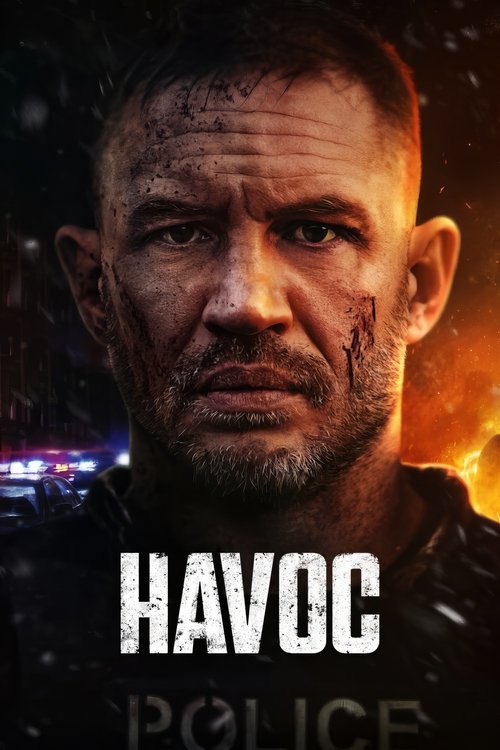
The silence surrounding Gareth Evans over the last few years was starting to feel personal. After redefining the action genre with The Raid and its sprawling sequel, the Welsh filmmaker seemingly vanished into the Netflix ether after his 2018 folk-horror pivot, Apostle. For nearly four years, rumors of Havoc swirled like urban legends in corner-store forums. It was finished; it was being reshot; it was stuck in a post-production loop. When it finally dropped on my home screen this week, I went in with the trepidation of a kid opening a long-lost time capsule. I watched this while trying to untangle a particularly stubborn knot in a pair of shoelaces, and by the time the first major shootout ended, I’d accidentally tightened the knot so hard I had to use scissors.
The Weight of the Long Wait
In the current landscape of "straight-to-streaming" action, there is a certain fatigue that sets in. We’ve been conditioned by the Extractions and Gray Mans of the world to expect high-gloss, low-stakes digital mayhem. Havoc feels different. It carries the grit of a 1970s precinct thriller but injects it with the high-octane DNA that only Evans can synthesize. It’s a film that exists in the "post-John Wick" era but refuses to play by the rules of "gun-fu." Instead, it embraces a messy, sweaty, and agonizingly physical style of combat.
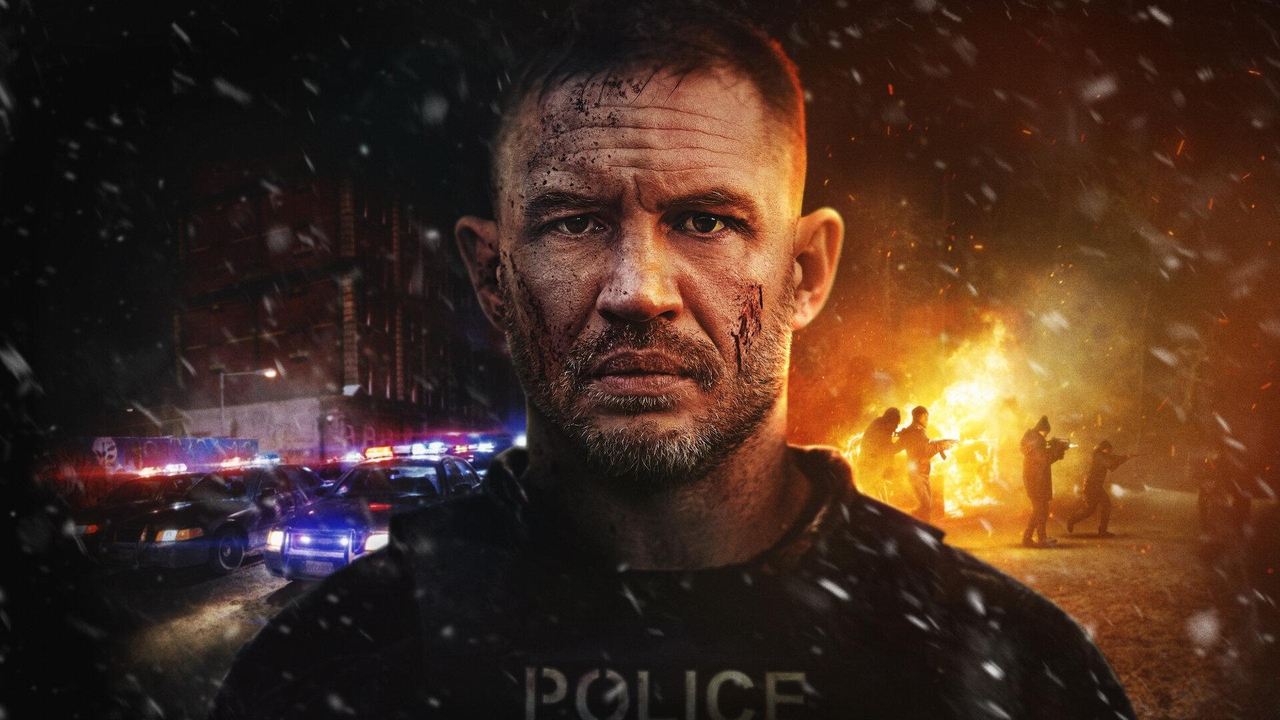
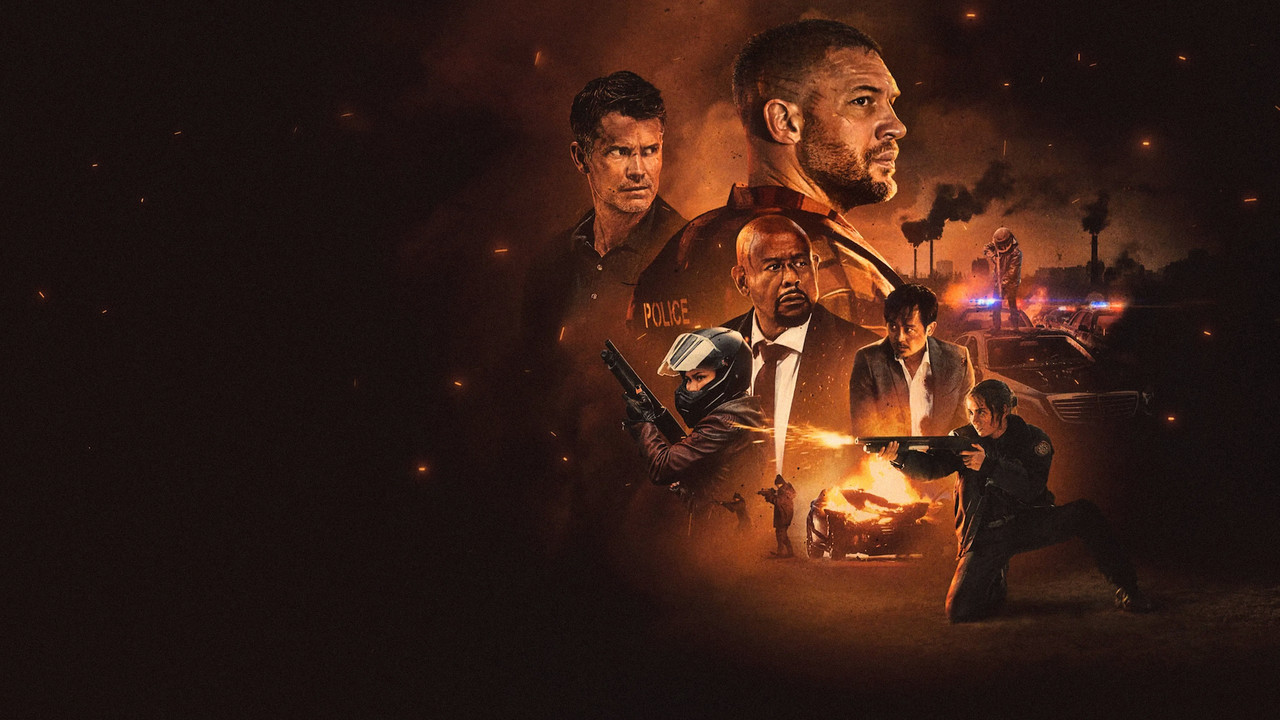
The story isn't reinventing the wheel—Tom Hardy plays Walker, a cop who looks like he hasn't slept since the late nineties, tasked with rescuing a politician's son from the center of a drug heist gone nuclear. But Evans uses this familiar skeleton to hang some of the most inventive urban warfare I’ve seen in years. The city itself feels like a character—a decaying, rain-slicked labyrinth of corruption that reminded me of the oppressive atmosphere in Se7en.
Hardy and the Art of the Sentient Bruise
Tom Hardy has always been at his best when he’s playing characters who communicate primarily through grunts and physical endurance. As Walker, he is essentially a sentient bruise. There is a sequence midway through the film involving a high-speed chase through a derelict apartment complex where Hardy manages to convey more desperation through his breathing than most actors do in a five-minute monologue. He doesn't feel like an invincible superhero; he feels like a guy who is genuinely terrified he’s going to die in a hallway.
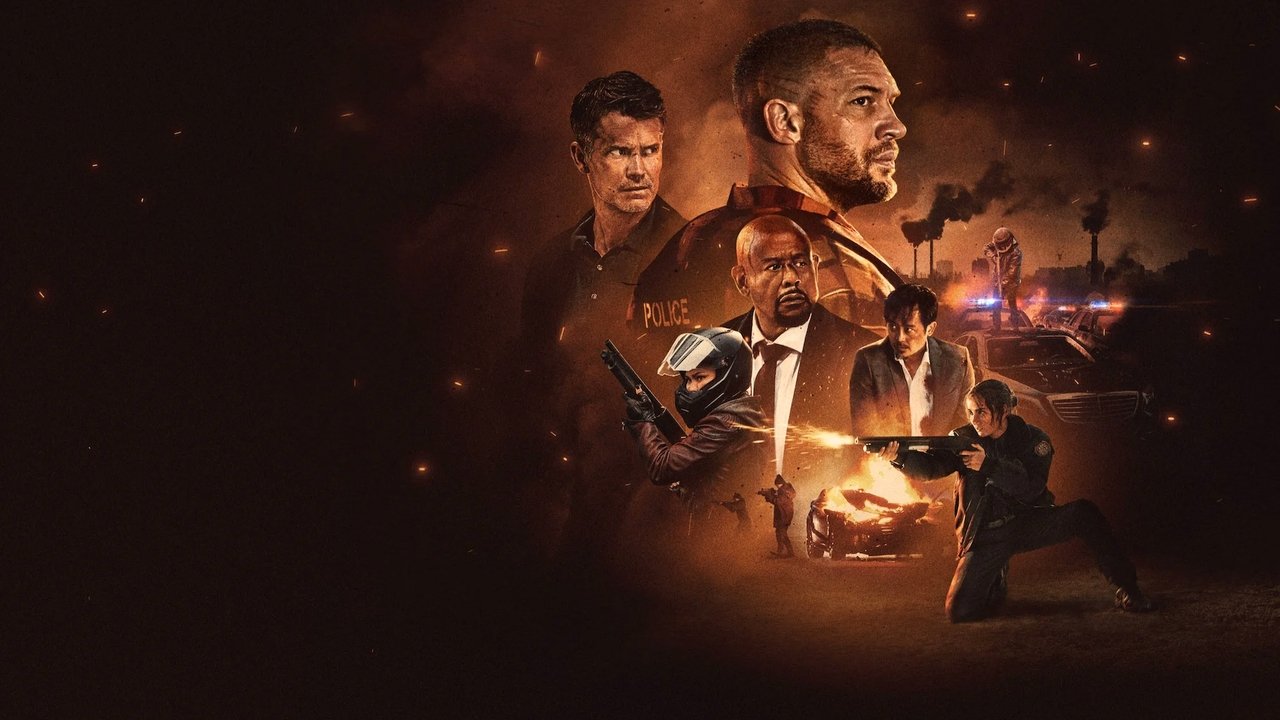
The supporting cast adds layers of prestige to the grime. Forest Whitaker brings a necessary, quiet gravity as Lawrence Beaumont, a man whose moral compass is spinning so fast it might fly off the hinges. And then there’s Timothy Olyphant. I’ve reached a point where I believe Timothy Olyphant should be in every movie made from here on out. He plays Vincent with a slick, dangerous charisma that provides a perfect foil to Hardy’s blunt-force trauma approach. Even Jessie Mei Li, known to many from the YA fantasy world, holds her own in a landscape that is decidedly more "broken glass" than "magic spells."
Staged for Maximum Impact
What sets Havoc apart from its contemporary peers is the clarity of its chaos. Evans and his cinematographer, Matt Flannery, have an almost telepathic understanding of where the eye needs to be. In an era where many directors use "shaky cam" to hide poor choreography, Evans holds the shot. He lets you see the impact. When a car flips or a character is thrown through a drywall partition, you feel the displacement of air. The sound design is so crisp it actually made my teeth ache during a particularly nasty encounter with a tire iron.
There’s a specific "Evans-ism" at play here—the escalation of the set piece. A fight starts with a single punch, spirals into a struggle for a dropped weapon, moves through three different rooms, and ends in a way that feels both exhausting and earned. It’s that "Second Unit" magic that made the Indonesian action boom so legendary, finally ported over to a high-budget Western setting without losing its soul.

The Mystery of the Missing Years
Why did this take so long to reach us? The trivia buffs will note that principal photography wrapped way back in 2021. Between massive reshoots in early 2023 and the complexities of Gareth Evans’ meticulous editing process, Havoc became a bit of a "forgotten" project before it even debuted. In the streaming age, where content is usually churned out with the speed of a fast-food fryer, the fact that Netflix let Evans sit in the edit suite for years to get the rhythm right is a miracle. It shows on screen. This isn't a "content" movie; it’s a filmmaker’s movie.
It captures the current cultural anxiety of crumbling institutions and "no law, only disorder," but it doesn't lecture you. It’s too busy trying to figure out how to survive the next thirty seconds. While some might find the 107-minute runtime a bit punishing—it really doesn't let up once the first brick is thrown—I found the relentless momentum refreshing. It’s a reminder that action cinema can still be art, even when that art is painted in shades of gray, rain, and blood.
Ultimately, Havoc is the kind of movie that makes you want to go for a run and then immediately take a nap. It’s a bruising, brilliant return for a director who remains the undisputed heavyweight champion of the "action-as-storytelling" subgenre. If you have any love for the "one-man-against-the-world" trope, this is your new gold standard for the mid-2020s. Just make sure your shoelaces are untangled before you start, or you might find yourself reaching for the scissors too.
Keep Exploring...
-
Lost Bullet
2020
-
Batman vs. Robin
2015
-
Black and Blue
2019
-
Heist
2015
-
Ambulance
2022
-
Jack Reacher: Never Go Back
2016
-
Honest Thief
2020
-
Copshop
2021
-

Gunpowder Milkshake
2021
-
Stillwater
2021
-
The Card Counter
2021
-
The Outfit
2022
-

Reptile
2023
-
Silent Night
2023
-

To Catch a Killer
2023
-
Rebel Ridge
2024
-
Patriots Day
2016
-
The Finest Hours
2016
-
Riders of Justice
2020
-
Below Zero
2021