How to Train Your Dragon
"Fire breathes. Friends fly. Traditions die."
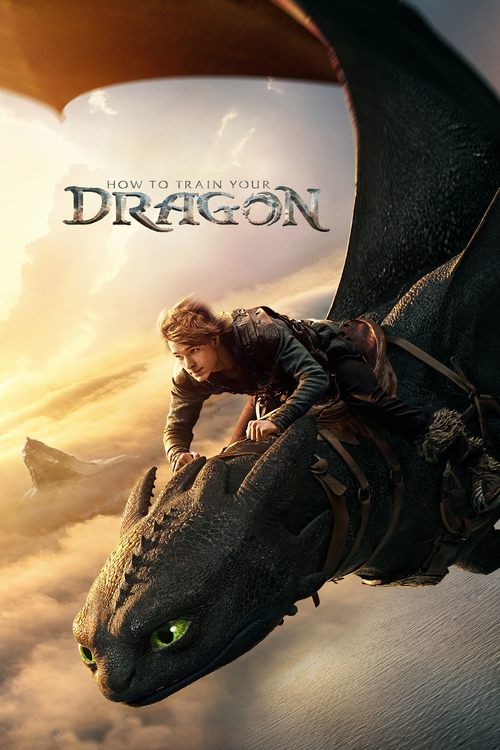
I’ll admit I walked into the theater with a heavy dose of skepticism and a lukewarm Diet Coke. We live in an era of "The Remake," where every beloved animated frame is being painstakingly translated into high-definition skin pores and realistic fur. Usually, these projects feel like expensive tax write-offs, but there I was, sitting in a seat that squeaked every time I leaned left, waiting to see if a Night Fury could actually survive the jump to three dimensions.

By the time the credits rolled on Dean DeBlois’s live-action reimagining of How to Train Your Dragon, that skepticism hadn't entirely vanished, but it had certainly been singed. In a landscape dominated by franchise fatigue and "The Volume" virtual production stages, this film actually attempts to feel like a movie. It’s a $150 million gamble that asks a very contemporary question: can we find the soul of a story when we change the medium, or are we just buying the same toy in a different box?
Grime, Scales, and The Pope of Cinema
The first thing that hits you isn't the dragons; it's the dirt. Bill Pope, the cinematographer who gave The Matrix its green tint and Spider-Man 2 its comic-book vibrancy, brings a tactile, rugged grit to the Isle of Berk. This isn't the bright, bouncy Viking world of the 2010 animation. It’s damp, cold, and smells of salt and wet wool.
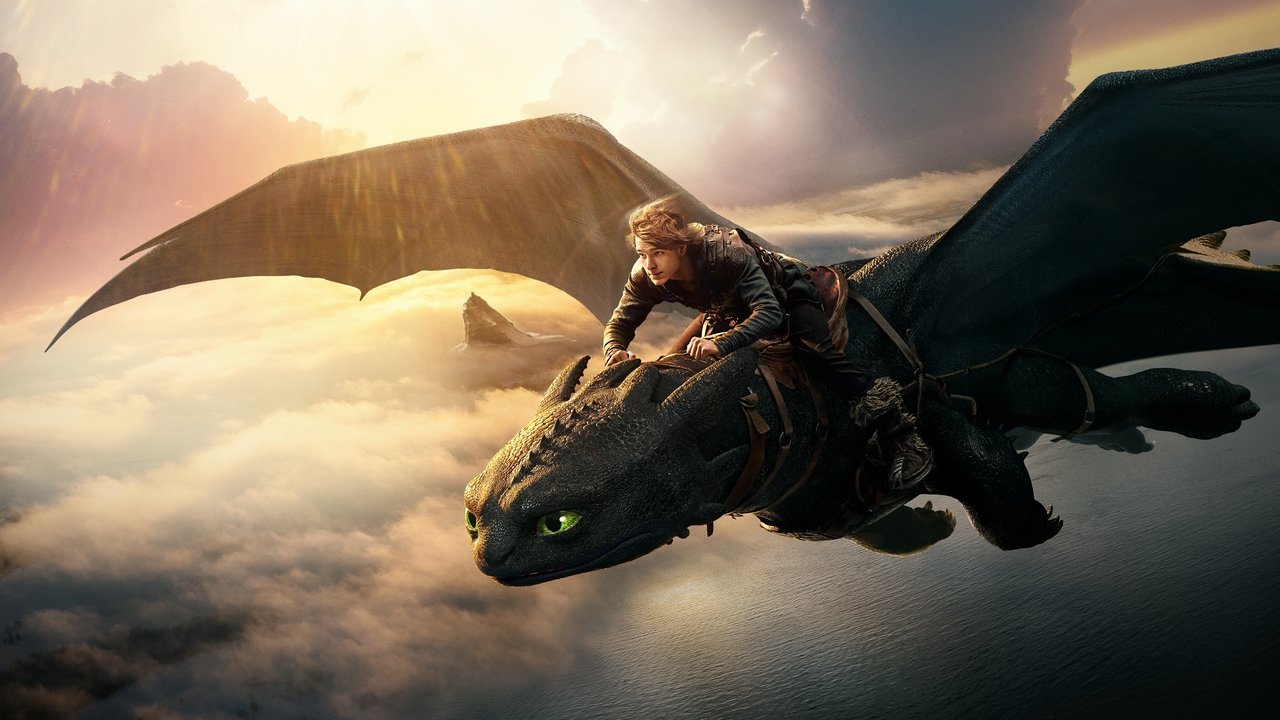
When Mason Thames (who some might recognize from The Black Phone) stumbles through the ferns as Hiccup, he doesn't feel like a caricature. He feels like a kid who is genuinely out of his depth. The action choreography here is less about slapstick and more about physics. When Hiccup first encounters Toothless, the sequence plays out with a quiet, observational tension. The Night Fury looks like a giant, radioactive axolotl and I’m strangely okay with it. The CGI avoids the "uncanny valley" by leaning into the reptilian weight of the beast. It doesn't look like a cartoon; it looks like something that could actually knock over a house.
The flight sequences, obviously, are the selling point. While the industry is currently obsessed with digital backgrounds, DeBlois—who also directed the original trilogy—clearly pushed for as much practical movement as possible. You can feel the G-force in the way Nico Parker (as Astrid) grips the scales. It’s a relief to see action that has weight and consequence, rather than the floaty, weightless spectacle we’ve grown accustomed to in recent superhero outings.

A Bridge Between Generations
The most fascinating choice in this production was the casting of Gerard Butler as Stoick the Vast. Reprising a role you originally only voiced is a rare flex, and seeing Butler in the actual flesh, draped in enough fur to clothe a small village, provides a weirdly emotional tether to the original films. He brings a weariness to the role that hits differently in live-action. It’s no longer just a "gruff dad" trope; it’s a man watching a world he built on violence start to crumble.
Beside him, Nick Frost as Gobber provides the necessary levity. Frost, a veteran of the Edgar Wright era of comedy (Shaun of the Dead), plays well off Butler’s stoicism. The chemistry between the younger cast, including Julian Dennison and Gabriel Howell, feels less like a polished Disney Channel troupe and more like a group of kids who actually spend their days throwing axes at things.
The Philosophy of the Monster

Beyond the $636 million box office success and the inevitable merchandising, there’s a deeper conversation happening here about how we treat "the other." In 2025, a story about breaking cycles of generational hatred feels less like a fairy tale and more like a plea. The film grapples with the idea that traditions aren't sacred just because they're old.
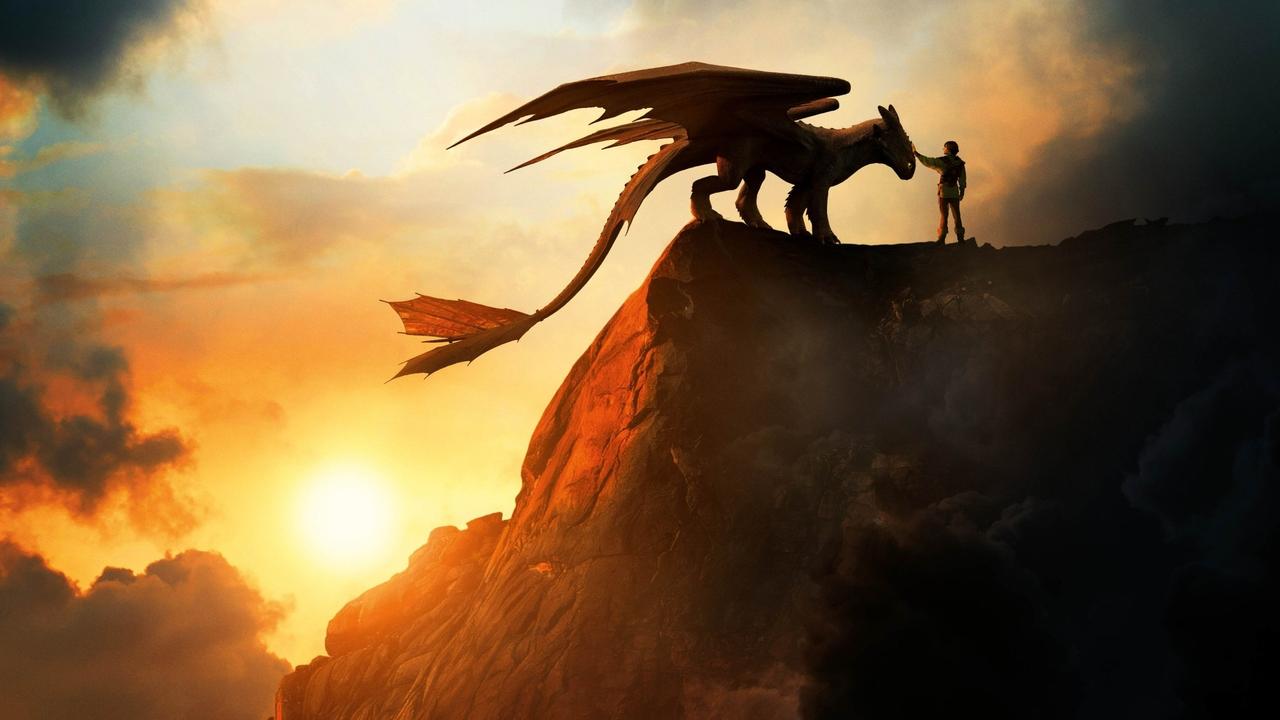
The "Cerebral" side of the film shines when it slows down. There’s a scene where Hiccup realizes the dragons are just as terrified as the Vikings, and in live-action, that realization carries a sharper sting. It moves the film away from being a simple "boy and his dog" story into a meditation on empathy. The production doesn't just show us a dragon; it asks us why we were so eager to kill it in the first place.
Interestingly, the film’s budget was heavily scrutinized on social media during production, especially with the use of real-time rendering for some of the dragon interactions. It’s a tech-heavy film that tries desperately to hide its wires, and for the most part, it succeeds. The score by John Powell returns, and hearing those familiar themes played by a live orchestra while watching a "real" dragon crest the clouds is, I’ll admit, a bit of a tear-jerker.
Ultimately, How to Train Your Dragon (2025) manages to justify its existence by leaning into the physicality of its world. It doesn't replace the animated masterpiece—nothing could—but it offers a different, more grounded perspective on the legend. If you can look past the cynicism of the "live-action remake" trend, you'll find a film that still has a beating heart under all those digital scales. It’s a solid reminder that sometimes, the old stories are worth telling again, as long as you're willing to get a little mud on your boots.
Keep Exploring...
-
How to Train Your Dragon: The Hidden World
2019
-
How to Train Your Dragon 2
2014
-
Raya and the Last Dragon
2021
-
How to Train Your Dragon
2010
-
Kung Fu Panda 4
2024
-

Jungle Cruise
2021
-
The Boy and the Beast
2015
-
A Minecraft Movie
2025
-
The Sea Beast
2022
-
Nimona
2023
-
The Croods: A New Age
2020
-
Doctor Strange in the Multiverse of Madness
2022
-

Minions: The Rise of Gru
2022
-
Puss in Boots: The Last Wish
2022
-

Sonic the Hedgehog 2
2022
-
The Bad Guys
2022
-

The Super Mario Bros. Movie
2023
-
Moana 2
2024
-
Justice League Dark: Apokolips War
2020
-
Miraculous: Ladybug & Cat Noir, The Movie
2023