One Battle After Another
"High-octane paranoia from cinema’s last great maximalist."
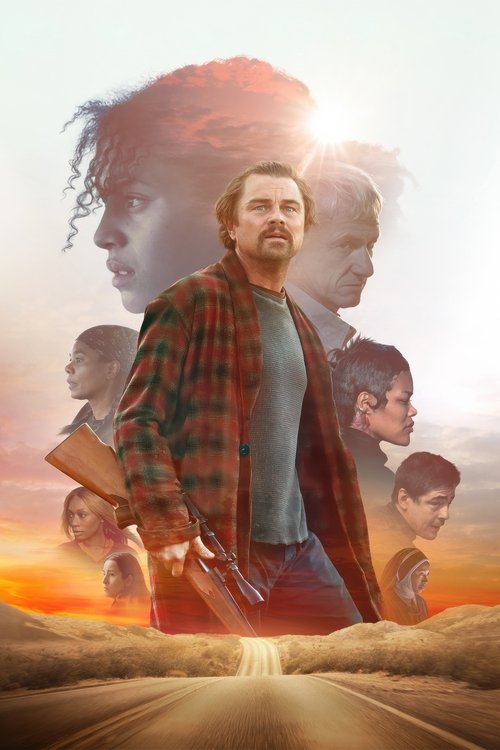
I walked into the theater for One Battle After Another wearing a heavy wool sweater despite it being eighty degrees outside, mostly because the local multiplex has an air conditioning system that feels like it’s trying to preserve sides of beef. It turned out to be the perfect choice. There is a chill that runs through Paul Thomas Anderson’s latest epic—a cold, paranoid sweat that clings to you long after the 162-minute runtime has evaporated.
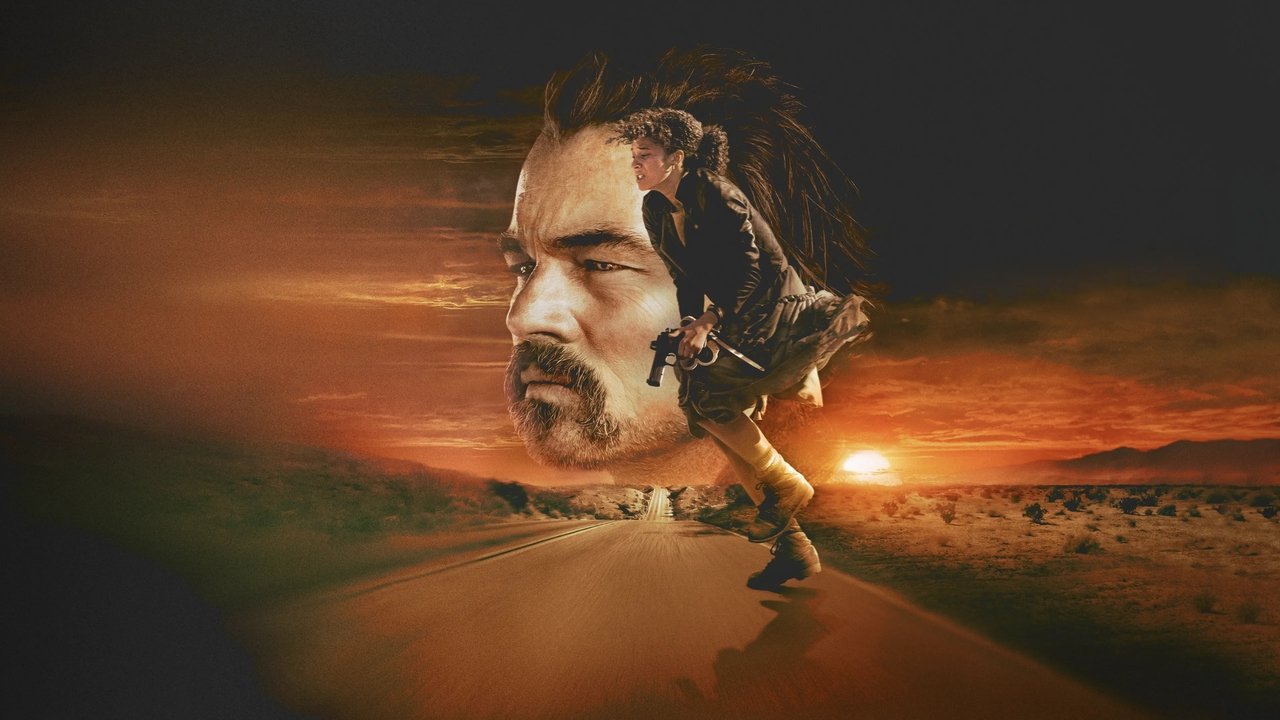
For years, the "PTA action movie" was a myth, a "what if" shared by cinephiles in dimly lit bars. After the rhythmic intensity of Punch-Drunk Love and the sprawling oil-slicked violence of There Will Be Blood, we knew he could handle the kinetic stuff, but we didn't know if he wanted to. Now, with a $175 million budget and Leonardo DiCaprio at his most feral, we have our answer. It is a loud, messy, and deeply strange masterpiece that feels like a middle finger to the polished, weightless blockbusters of the 2020s.
The Stoned Soul of the Revolution
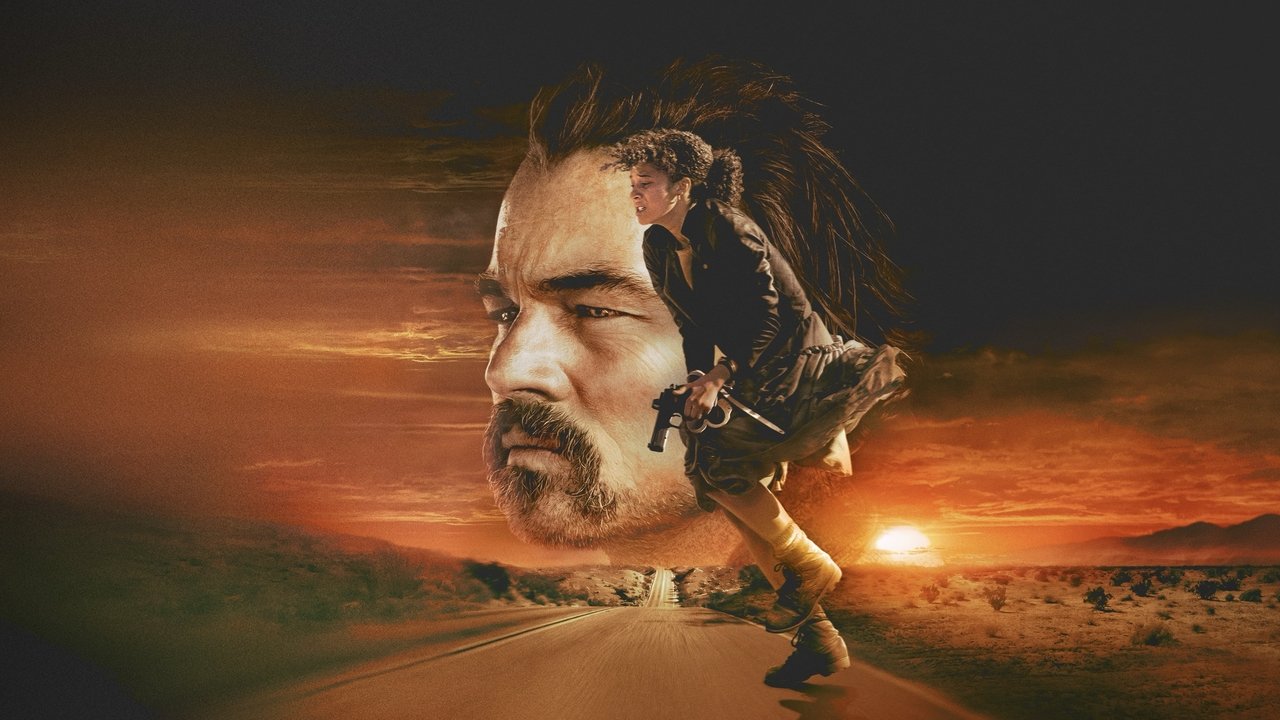
The film follows Bob, played by Leonardo DiCaprio with a frantic, unwashed energy I haven't seen from him since The Revenant (2015). Bob is a former revolutionary—the kind of guy who probably spent the 90s plotting to blow up a bank but spent the 2020s just trying to remember where he hid his stash. He lives off-grid with his daughter, Willa, played by newcomer Chase Infiniti. Their chemistry is the anchor of the film. While Bob is vibrating with "deep state" anxieties, Willa is the practical one, the child who had to grow up because her father refused to come down from his high.
When Willa is taken by Bob’s old nemesis, Col. Steven J. Lockjaw (Sean Penn), the film shifts from a hazy character study into a jagged, relentless pursuit. Sean Penn is playing a man who seems to be made entirely of scar tissue and bad intentions. It’s a performance that borders on the operatic, and in any other movie, it would be too much. Here, in PTA’s California-dystopia, it’s exactly the right frequency.
Choreographed Chaos
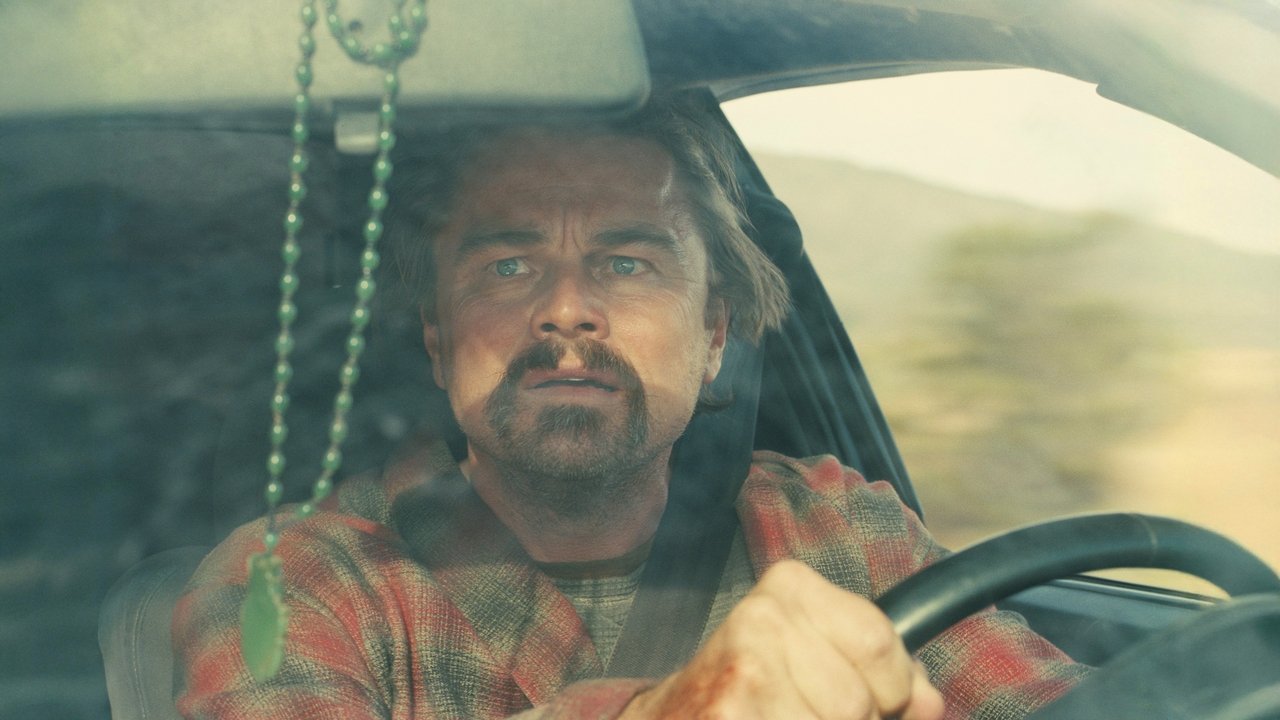
What struck me most wasn't just the scale of the action, but the weight of it. In an era where most car chases look like two iPhones racing across a green screen, the vehicular mayhem here feels terrifyingly real. There’s a sequence mid-way through involving a hijacked delivery truck and a fleet of black SUVs that left me gripping the armrests. Michael Bauman, who previously worked with PTA on Licorice Pizza (2021), captures the violence with a clarity that is rare today. You see every crunch of metal; you feel every missed gear shift.
The action choreography isn't "cool" in the John Wick sense. It’s desperate. When Benicio del Toro’s Sensei Sergio St. Carlos finally gets into a scrap, it’s not a ballet. It’s a humid, gasping struggle for survival. Paul Thomas Anderson understands that true tension comes from seeing characters we care about being genuinely bad at violence—fumbling with safeties, tripping over debris, and running out of breath. It makes the stakes feel astronomical.
The Lore and the Legend
Part of the fun of a PTA release is the "how did they do that?" of it all. This film has already sparked a minor cult following for its supposed connections to Thomas Pynchon’s Vineland, though the script is credited solely to Anderson. Whether it’s a secret adaptation or just a spiritual successor to Inherent Vice (2014), the DNA of "California Paranoia" is everywhere.
I’ve been digging through the production notes, and the stories are just as wild as the film:
Leonardo DiCaprio reportedly insisted on living in a tent near the Humboldt County filming locations for three weeks to "get into Bob's headspace," which explains why he looks like he hasn't seen a shower since the Obama administration. The $175 million budget—unheard of for a non-franchise thriller—mostly went into practical effects. That massive explosion in the third act? It was a real set, built and destroyed in a single take. Jonny Greenwood (of Radiohead fame) used a combination of vintage synthesizers and a literal chainsaw to create some of the more abrasive tracks on the score. Regina Hall and Teyana Taylor were cast after Anderson saw them together at an awards show and decided their "chaotic energy" was exactly what the film’s subplots needed. * The "Lockjaw" character was originally written for a much younger actor, but Sean Penn lobbied for the role, allegedly telling PTA he "wanted to play the personification of a bad hangover."
One Battle After Another is a lot to take in. It’s long, it’s loud, and it asks you to spend nearly three hours with a protagonist who is frequently his own worst enemy. But in a cinematic landscape that often feels like it’s being fed to us through a straw, this is a five-course meal served on a trash can lid. It’s the kind of film that reminds me why I go to the theater in the first place—to see a singular vision executed with zero compromises and a lot of expensive gunpowder. Don’t wait for it to hit a streaming service; go find the coldest theater in town and let the paranoia sink in.

Keep Exploring...
-
Extraction 2
2023
-
Fast X
2023
-
The Equalizer 3
2023
-

Ballerina
2025
-
Sicario
2015
-
Patriots Day
2016
-
Bad Boys for Life
2020
-
John Wick: Chapter 4
2023
-

The Beekeeper
2024
-
Extraction
2020
-
Tenet
2020
-

Prey
2022
-
Guy Ritchie's The Covenant
2023
-
Mission: Impossible - Dead Reckoning Part One
2023
-
Mission: Impossible - The Final Reckoning
2025
-
Furious 7
2015
-
John Wick: Chapter 3 - Parabellum
2019
-
Ambulance
2022
-
The Stronghold
2021
-
Killers of the Flower Moon
2023