Predator: Badlands
"The galaxy's greatest hunter is finally the one being watched."
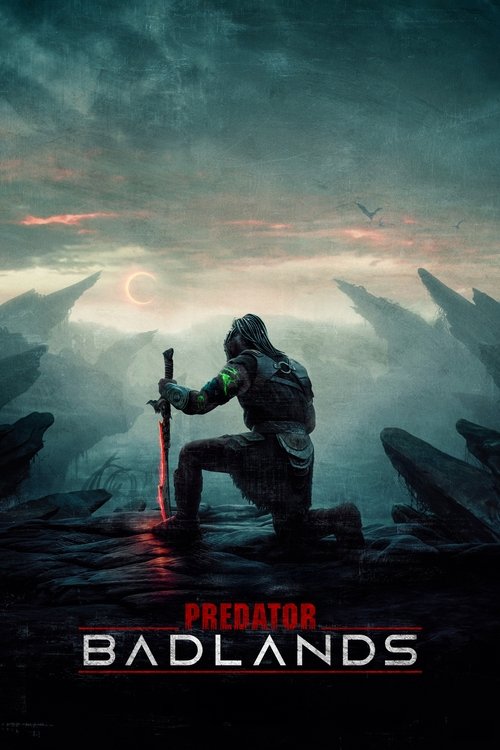
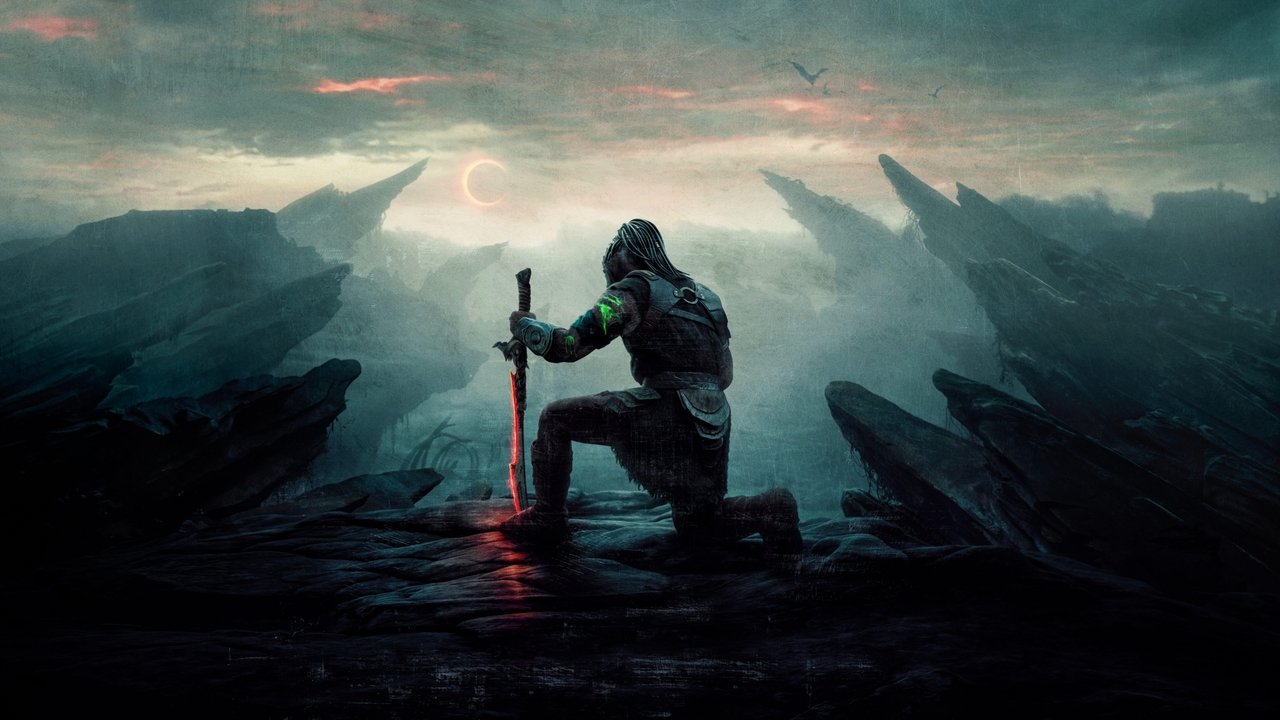
Forget everything you think you know about the "get to the choppa" school of filmmaking. For decades, the Predator franchise has been a slasher series in sci-fi drag—a hulking, invisible monster picking off meatheads in the woods. But Dan Trachtenberg, the man who breathed life back into this IP with the gritty, back-to-basics Prey, has decided to flip the thermal goggles around. In Predator: Badlands, the Yautja isn’t the shadow in the trees; he’s the guy we’re following through the mud.
It is a staggeringly bold move for a franchise that usually relies on Arnold-esque quips or increasingly convoluted lore. I caught this on a Tuesday afternoon in a theater where the air conditioning was cranked so high I genuinely felt like I was stalking through a sub-zero alien tundra, which only added to the isolation radiating from the screen.
The Hunter Becomes the Heart
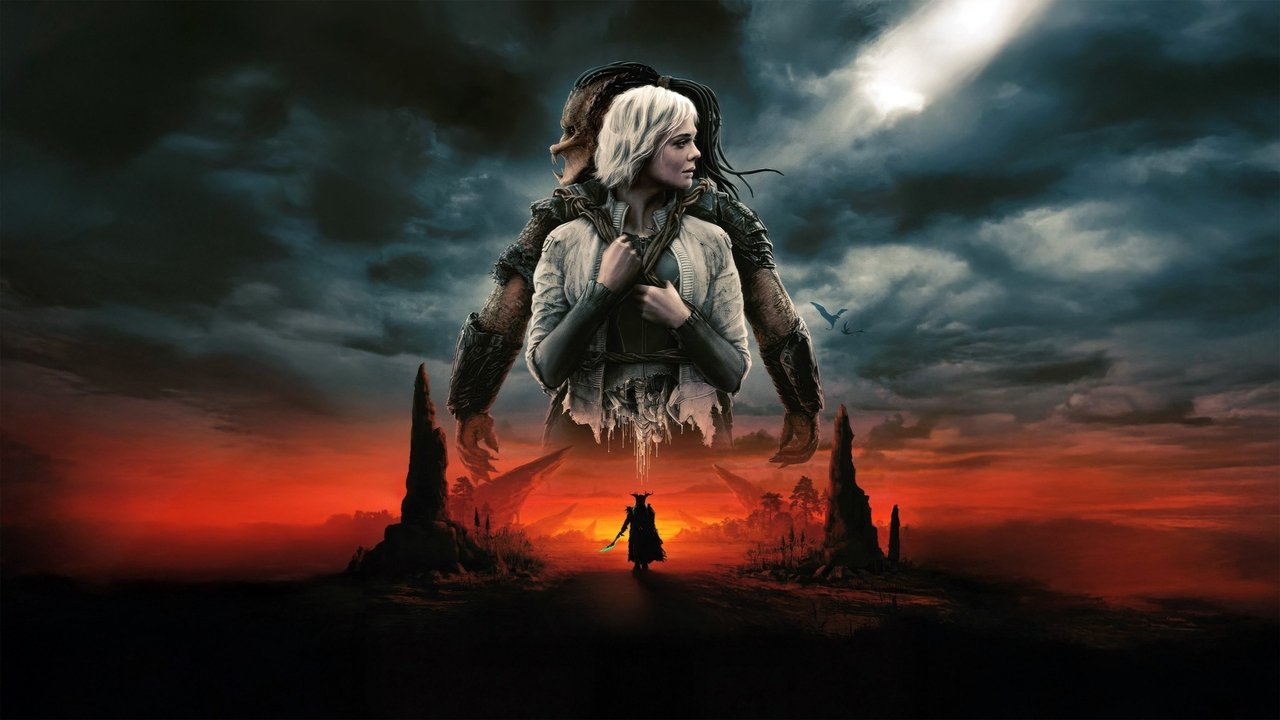
The story centers on a young Predator who has been "cast out" from his clan. If you’re expecting a 107-minute silent movie of a lizard-man clicking at trees, you’re only half right. The genius stroke here is the "unlikely ally": a damaged, malfunctioning android named Thia, played with an eerie, glitchy vulnerability by Elle Fanning.
Elle Fanning pulls double duty here as both Thia and Tessa, and her performance is the intellectual anchor the movie needs. As an android with a fried empathy processor, she becomes a mirror for our titular hunter. They are both "broken" tools of their respective civilizations. Watching a seven-foot-tall killing machine try to figure out if it can trust a humanoid robot that literally can’t stop twitching is more emotionally resonant than any scene involving a human soldier in the last five sequels.
Trachtenberg and screenwriter Patrick Aison aren’t interested in the usual "bigger is better" escalation. Instead, they’ve crafted a contemporary sci-fi Western. The "Badlands" of the title aren't just a physical location; they’re a moral gray zone where the line between "predator" and "prey" evaporates. We see the Predator struggle, fail, and bleed neon green not as a victory for a human hero, but as a setback for a protagonist we’ve actually started to like.
High-Stakes Minimalism and the Volume
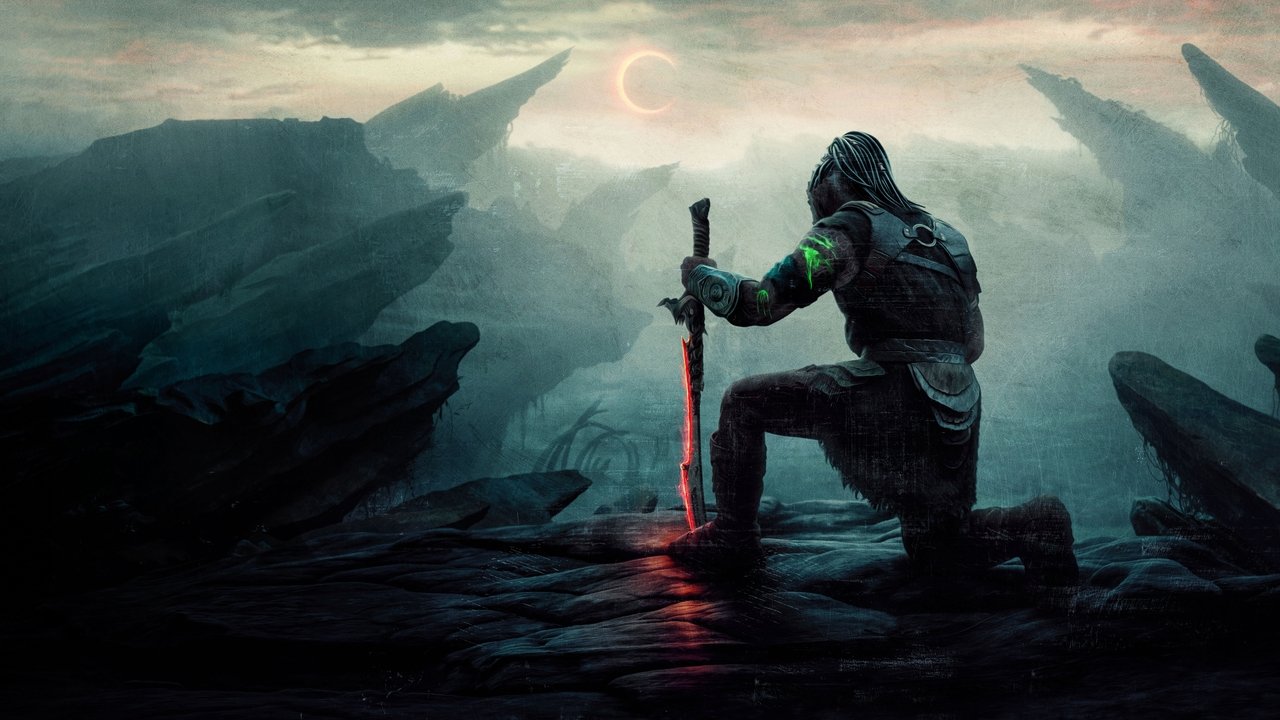
Visually, the film benefits from the "Virtual Production" era in ways that feel tactile rather than cartoonish. While the $105 million budget is evident in the seamless creature effects, the film feels intimate. The cinematography by Jeff Cutter favors wide, lonely shots of desolate landscapes that make our leads look like ants in a godless universe.
The action choreography is a far cry from the "shaky-cam" chaos that plagued the 2010s. When the fights happen—and they are brutal—they have a rhythmic, almost dance-like quality. There’s a sequence involving Dimitrius Schuster-Koloamatangi and Ravi Narayan that highlights the sheer physical terrifying presence of the Predator, yet because we’ve spent the last twenty minutes inside the creature’s head, the violence feels tragic rather than triumphant. Michael Homick and Stefan Grube round out a cast that treats the material with a hushed reverence, almost like they’re in a Shakespearean tragedy that just happens to involve shoulder-mounted plasma cannons.
The score by Benjamin Wallfisch avoids the bombastic horns of the 1987 original, opting instead for metallic, grinding sounds that reflect the android/alien partnership. It’s uncomfortable, cold, and brilliant.
The Philosophy of the Kill
Where Badlands truly earns its "Cerebral" badge is in its exploration of what it means to be an "adversary." In our current cultural moment of franchise fatigue, where every movie is a "set-up" for a "universe," Badlands feels remarkably self-contained. It asks a profound question: What is a hunter without a tribe?
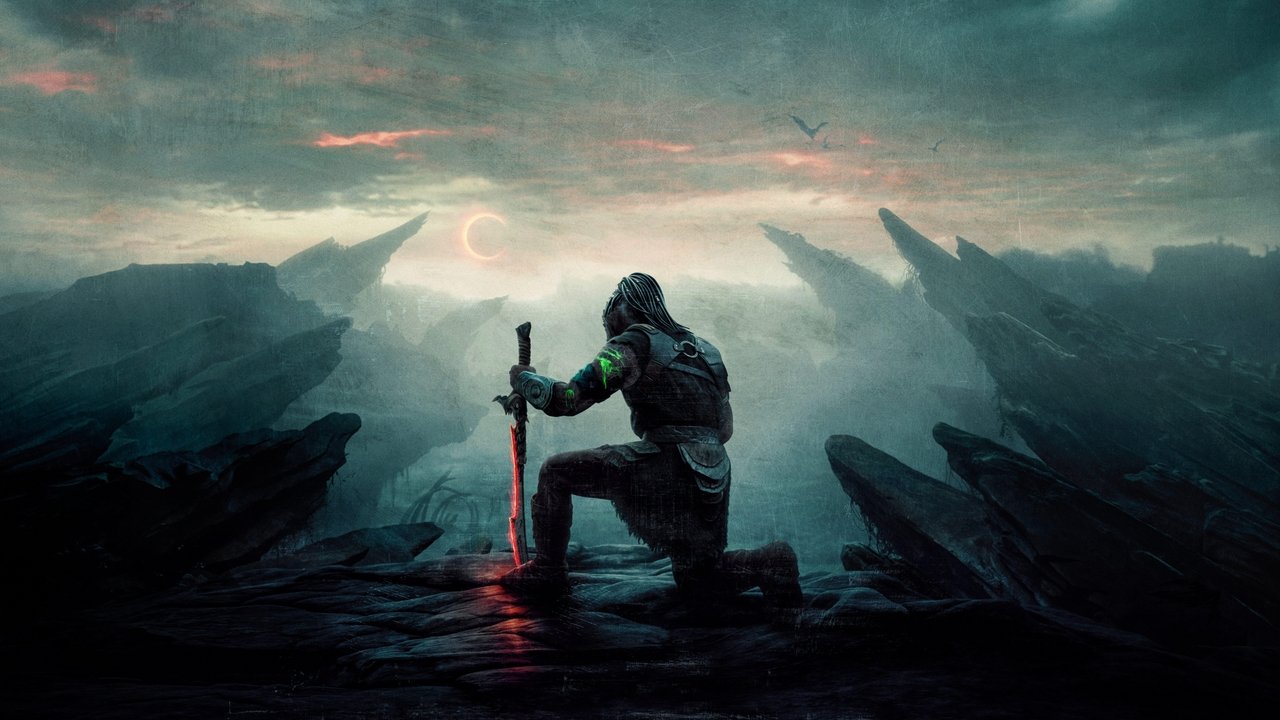
It deconstructs the hyper-masculinity of the original films. Our Predator isn’t hunting for trophies to prove his worth; he’s hunting for a reason to exist. It’s a survival story where the biggest threat isn't a bigger monster, but the crushing weight of loneliness. Giving the Yautja a robot buddy is the best "boy and his dog" story since the original John Wick, mostly because the stakes aren't about saving the world—they’re about finding a single point of connection in a cold galaxy.
By the time Reuben De Jong appears, the film has shifted from an action romp into a meditation on legacy and the cycles of violence. It’s the kind of movie that makes you feel a bit dirty for cheering at the gore, which is exactly what great contemporary sci-fi should do.
Predator: Badlands is the rarest of beasts: a legacy sequel that actually has a new idea. It respects the physical craft of the suit actors and the practical stunt work while utilizing modern technology to tell a story that feels genuinely "now." It’s a film about outcasts finding utility in one another, wrapped inside a tense, beautifully shot chase movie. If this is where the franchise is headed, I’m happy to stay in the woods for a while longer.

Keep Exploring...
-

Prey
2022
-

Predator
1987
-

Predator: Killer of Killers
2025
-

Guardians of the Galaxy Vol. 3
2023
-

Spider-Man: Across the Spider-Verse
2023
-

Everything Everywhere All at Once
2022
-
Transformers One
2024
-
Justice League Dark: Apokolips War
2020
-
RRR
2022
-
The Predator
2018
-
Batman vs. Robin
2015
-

Justice League: Throne of Atlantis
2015
-
Batman: Bad Blood
2016
-
Justice League vs. Teen Titans
2016
-
Justice League Dark
2017
-
Black Widow
2021
-

Evangelion: 3.0+1.0 Thrice Upon a Time
2021
-
Godzilla vs. Kong
2021
-
Spider-Man: No Way Home
2021
-
The Tomorrow War
2021