Predator: Killer of Killers
"History’s greatest killers just became the main course."

If you weren't aggressively refreshing your streaming queue on that weird Tuesday in March 2025, you probably missed the quiet drop of Predator: Killer of Killers. It was a strange time for the franchise; 20th Century Studios was pouring all its marketing muscle into the live-action theatrical epic Badlands, leaving this 85-minute animated experiment to wither on the vine of a niche subscription tier. I remember watching it while my cat, Barnaby, spent ten minutes trying to hunt a particularly stubborn moth against the window—a fitting, low-stakes parallel to the intergalactic slaughter unfolding on my screen.

It’s a crying shame this film vanished into the digital ether so quickly. Directed by Dan Trachtenberg (who basically resuscitated this franchise with Prey) and written by Micho Rutare, Killer of Killers is a lean, mean, anthology-style slasher that understands exactly what we want from a Predator movie: a total lack of mercy.
Three Eras, One Meat Grinder
The film doesn't waste time on cumbersome lore. Instead, it segments its 85-minute runtime into three distinct hunts across human history. We start in 10th-century Norway with Ursa, played with a guttural, terrifying intensity by Lindsay LaVanchy. She’s a Viking raider who thinks she’s the apex of her world until a cloaked nightmare starts picking off her crew in the middle of a blizzard. Trachtenberg uses the animation to do things live-action budgets usually shy away from—specifically, the way the Predator’s thermal vision interacts with the swirling snow is a visual feast that feels genuinely claustrophobic.
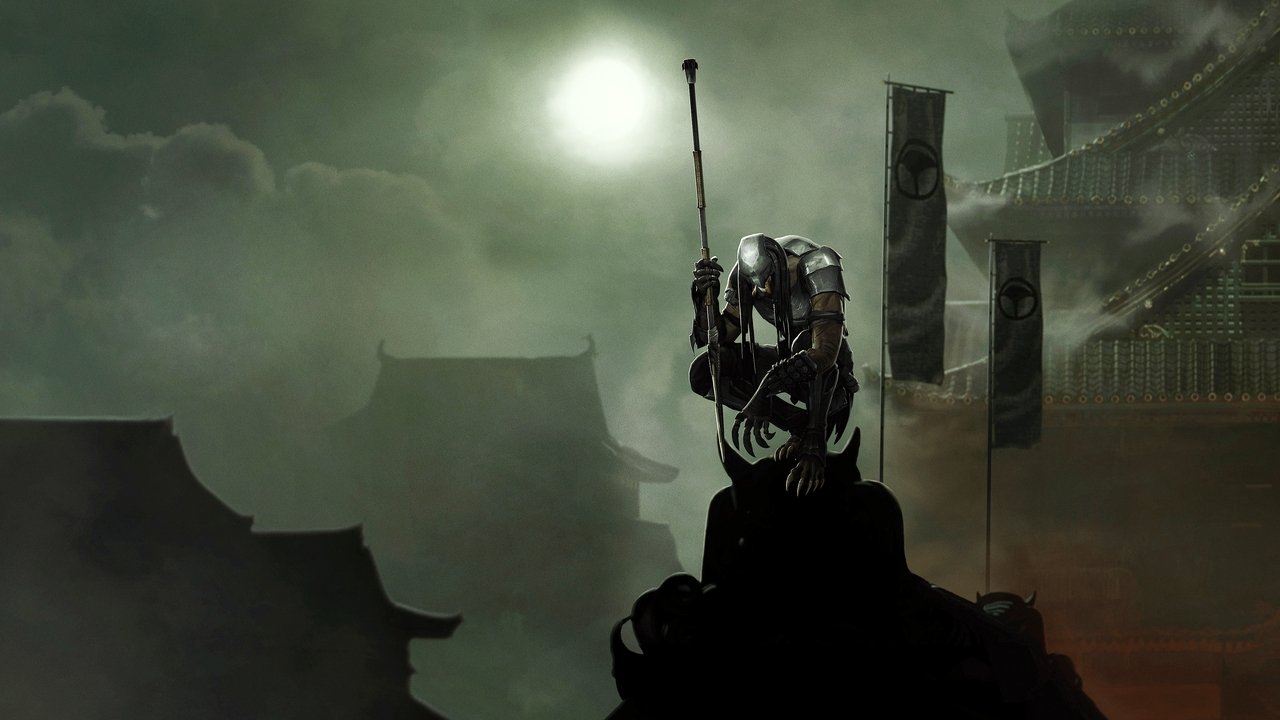
The middle segment moves to Feudal Japan, following a ninja named Kenji (Louis Ozawa, who you might remember from the 2010 Predators as the Yakuza swordsman). This is the highlight of the film for me. The action choreography here is dizzying; it’s a high-speed game of hide-and-seek played across the rooftops of a burning village. Louis Ozawa brings a quiet, disciplined desperation to the role, and the way he uses his environment to counter the Predator’s tech is the kind of tactical "brawn vs. brain" combat that made the 1987 original a classic. Honestly, the movie treats historical accuracy like a suggestion at a drunken frat party, but when you’re watching a cloaked alien duel a shinobi, you really don’t care about the thread count of their kimonos.
The Sound of Screaming Metal
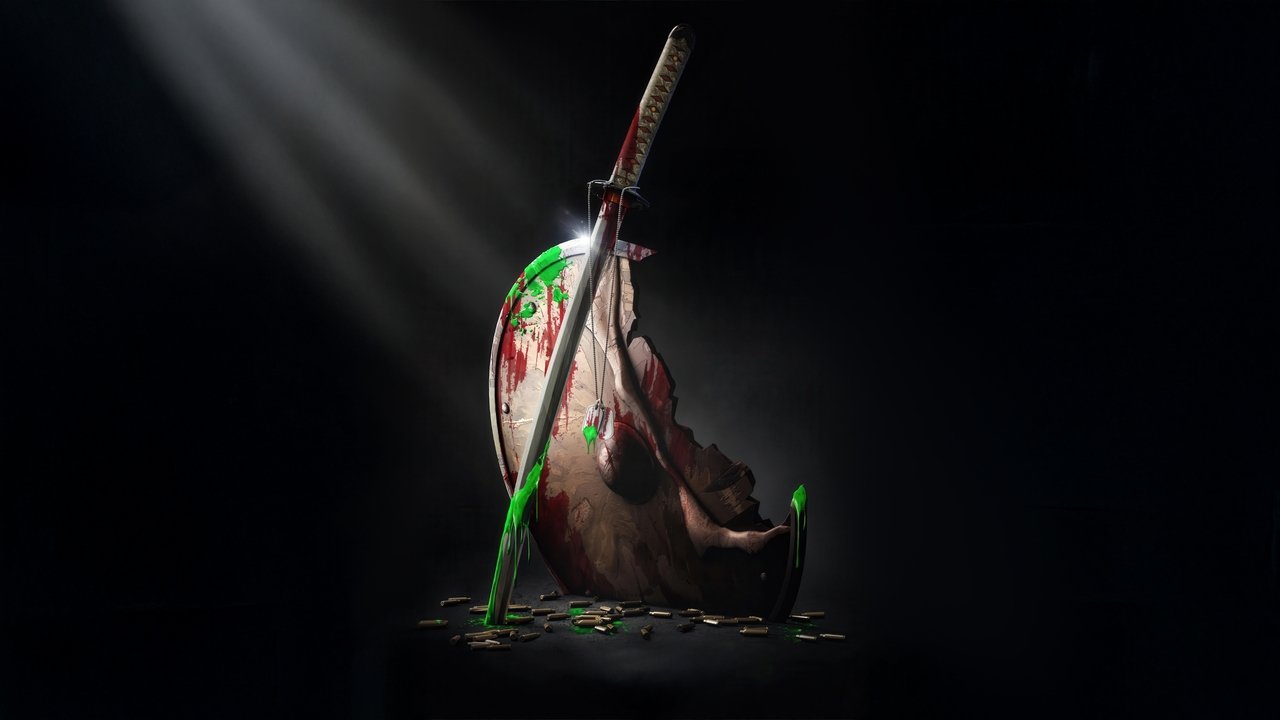
The final act drops us into the cockpit of a WWII pilot named Torres (Rick Gonzalez), and this is where the "Dark" modifier of the film really kicks in. While the previous segments felt like legends, this one feels like a horror movie. Torres is grounded in the Pacific theater, hunted not just by the alien, but by the sheer isolation of the jungle. Michael Biehn (the legend himself from Aliens and The Terminator) pops up as Vandy, a grizzled survivor who has clearly seen too much. Hearing Michael Biehn’s voice rasping through a radio about "the demon in the trees" sent a genuine chill down my spine.
The sound design by Benjamin Wallfisch deserves a shout-out here. The familiar clicks and rattles of the Predator are layered over a score that sounds like grinding industrial metal and tribal drums. It’s oppressive. It’s loud. It makes the kills feel heavy and permanent. When the Predator finally catches up to its prey, the animation doesn't blink. It’s brutal, unglamorous, and reminds you that for all our human "warrior" posturing, we are basically just soft, squishy protein to these things.
Why This One Slipped Away
So, why haven't you heard of it? Aside from the botched release strategy, Killer of Killers suffered from being "too different." It’s an R-rated animation in an era where the big studios still mostly associate cartoons with family-friendly IP. It’s also incredibly grim. There are no quippy one-liners here, and no one is "safe." By the time Doug Cockle (the voice of Geralt in The Witcher games) shows up as a doomed Viking named Einar, you already know he’s not making it to the end credits.
I think audiences in 2025 were also struggling with a bit of "franchise fatigue." We were getting three different Star Wars shows a year and a new superhero reboot every month. A standalone, animated Predator anthology felt like a "side quest" that people could skip. But that’s the mistake—this isn't a side quest; it's the purest distillation of the Predator concept since Schwarzenegger was covered in mud. It strips away the government conspiracies and the "Predator-Dog" nonsense of previous sequels and returns to the core: a contest of killers.
I found my copy of this on a specialized boutique Blu-ray site that specializes in "lost" streaming titles, and it was worth every penny of the inflated shipping cost. If you can track it down, watch it in the dark with the sound turned up way too high. It’s a reminders that even in an era of endless franchises, someone can still find a way to make an old monster feel terrifying again. Just make sure your cat isn't in the room, or every shadow on the wall will start looking like a three-dot laser sight.


Keep Exploring...
-

Prey
2022
-
Batman vs. Robin
2015
-

M3GAN 2.0
2025
-
Predator: Badlands
2025
-
Resident Evil: Death Island
2023
-
Batman Beyond: Return of the Joker
2000
-
Greenland
2020
-
Tenet
2020
-
Superman: Red Son
2020
-
Teenage Mutant Ninja Turtles: Mutant Mayhem
2023
-

Nobody 2
2025
-
What Happened to Monday
2017
-
Maze Runner: The Death Cure
2018
-

Evangelion: 3.0+1.0 Thrice Upon a Time
2021
-

Justice League: Throne of Atlantis
2015
-
10 Cloverfield Lane
2016
-
Batman: Bad Blood
2016
-
Justice League vs. Teen Titans
2016
-
Justice League Dark
2017
-
Teen Titans Go! To the Movies
2018