Sinners
"The past has teeth, and it’s hungry."
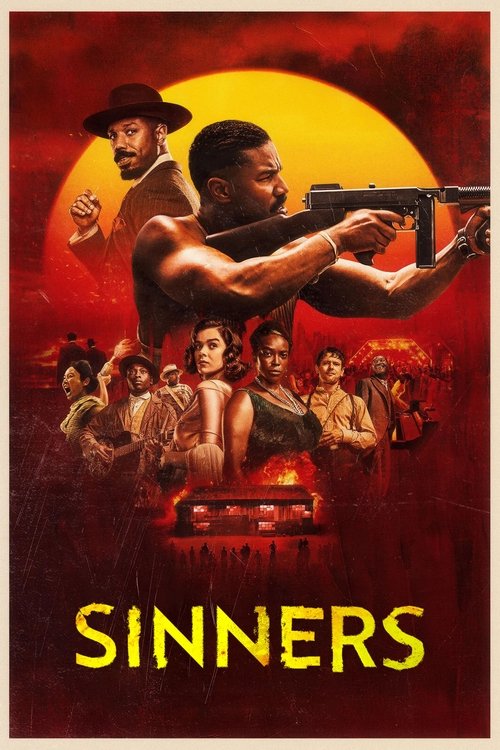
The partnership between Ryan Coogler and Michael B. Jordan has always felt like a pact signed in blood, a creative marriage that has revitalized everything from the boxing ring in Creed to the Afrofuturist heights of Black Panther. But with Sinners, that pact moves into the shadows of the 1930s Jim Crow South, trading the vibranium shields for shotgun shells and something far more ancient. It is a rare thing in our current cinematic landscape to see an original, R-rated horror film backed by a massive $90 million budget, and even rarer to see it actually stick the landing with the weight of a heavy-gauge sledgehammer.

I watched this in a theater where the air conditioning was cranked so high I felt like I was back in the Arctic, which provided a bizarre, shivering contrast to the humid, sweltering Louisiana heat bleeding off the screen. That heat is palpable in every frame captured by Autumn Durald Arkapaw, who previously worked with Coogler on Black Panther: Wakanda Forever. She paints the Louisiana bayou in shades of amber, copper, and a darkness so deep it feels like it might actually swallow the front row of the audience.
The Weight of Dual Identity
At the center of this pressure cooker is Michael B. Jordan, pulling double duty as twins Smoke and Stack. It’s easy to dismiss dual roles as a vanity project or a technical gimmick, but here, it serves as the film’s moral backbone. One brother is seeking a quiet redemption; the other is a walking storm of unresolved trauma. Jordan playing twins isn't a gimmick; it’s a masterstroke of self-confrontation that makes most CGI-heavy blockbusters look like finger painting. He gives both men distinct physicalities—one cautious and coiled, the other reckless and expansive—making you forget within twenty minutes that you’re looking at the same actor.
The plot sees them returning to their hometown to outrun a troubled past, only to find that the town’s "troubles" have sharpened their fangs. Jack O’Connell, who brought such raw intensity to Unbroken and the gritty series Skins, shows up as Remmick, a local threat who carries a sneer that feels like a razor blade. He represents the human evil that grounded the first half of the film, providing a terrifying bridge to the supernatural horror that eventually erupts.
Sound, Fury, and Forbidden Shadows

The atmosphere is further thickened by Ludwig Göransson, the composer who seemingly can’t stop winning awards after his work on Oppenheimer. His score for Sinners eschews the typical orchestral swells for something more primal—a dissonant, percussive heartbeat that mimics the sound of boots on hollow wood. It’s an oppressive audio experience that never lets you breathe, turning even a simple walk through a field into a high-stakes gauntlet of dread.
When the horror finally reveals its true face, it avoids the slick, over-polished look of modern digital effects. There is a "wetness" to the violence here that feels startlingly real. Coogler understands that in the streaming era, where we are bombarded with bloodless action, the only way to make an audience flinch is to make the consequences feel heavy. When someone gets hit in Sinners, you don't just see it; you feel the air leave the room.
A Blockbuster with a Soul
What fascinates me most about the existence of Sinners is the industry context. We are living through a period of "franchise fatigue," where audiences are increasingly skeptical of the next big "IP" installment. This film, however, emerged from a frantic bidding war that saw Warner Bros. beating out every other major studio. Part of the deal was revolutionary: Coogler actually gets to own the rights to the movie after 25 years. This kind of creator-owned blockbuster is almost unheard of today, and that sense of personal stakes is baked into the film's DNA.
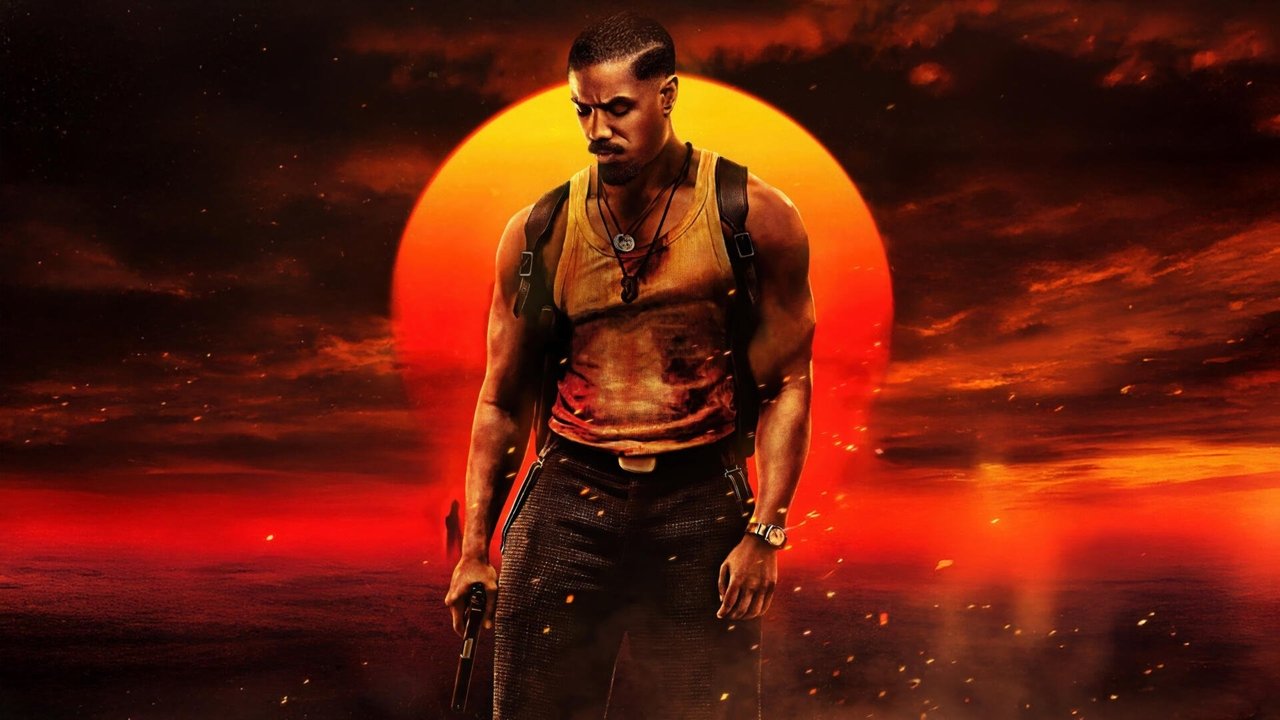
The film’s commercial success—raking in over $368 million—is a loud, clear signal that there is a massive appetite for high-concept, original horror that doesn't rely on a pre-existing "Cinematic Universe." It feels like a throwback to the 90s when directors could get big checks to make weird, dark, singular visions, yet it remains firmly rooted in contemporary conversations about legacy, race, and the cycle of violence. Wunmi Mosaku, who was so haunting in His House, adds another layer of gravitas as Annie, providing the film with its most grounded and heartbreaking moments.
Despite its 138-minute runtime, the pacing is relentless. Coogler builds the tension like he’s winding a clock that he knows is eventually going to explode. By the time the final act descends into a chaotic battle for survival, the film has earned its intensity. It doesn't rely on cheap jump scares; it relies on the fact that you have become genuinely invested in whether these brothers can find a way to outrun the devil they brought home with them.
Sinners is a muscular, unapologetic piece of filmmaking that proves Ryan Coogler is one of the few directors working today who can marry social weight with popcorn-chewing spectacle. It is a grim, beautiful, and ultimately punishing experience that stayed with me long after the theater lights came up and I stepped back into the "real" world. If this is the direction of modern "event" cinema, I am more than happy to keep dancing with the devil.
It’s the kind of movie that makes you want to lock your doors and check under the bed, not because of ghosts, but because it reminds you that the scariest things are usually the ones that look just like us. Jordan and Coogler have delivered a modern classic that doesn't just entertain—it leaves a bruise. Go see it on the biggest screen possible, and maybe bring a sweater.


Keep Exploring...
-
Creed
2015
-

Black Panther
2018
-
Bad Boys for Life
2020
-
A Quiet Place Part II
2021
-
John Wick: Chapter 4
2023
-
Black Panther: Wakanda Forever
2022
-
No Time to Die
2021
-
The Conjuring: The Devil Made Me Do It
2021
-
The Black Phone
2022
-
Five Nights at Freddy's
2023
-

The Beekeeper
2024
-
Furious 7
2015
-
Maze Runner: The Death Cure
2018
-
John Wick: Chapter 3 - Parabellum
2019
-
The Invisible Man
2020
-
Day Shift
2022
-
Godzilla Minus One
2023
-
Train to Busan
2016
-
Don't Breathe
2016
-
Get Out
2017