The Electric State
"Rust, robots, and the ghosts of the nineties."
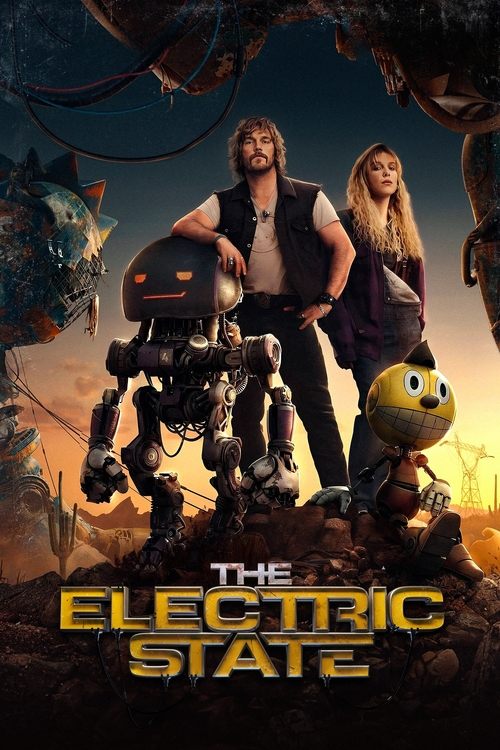
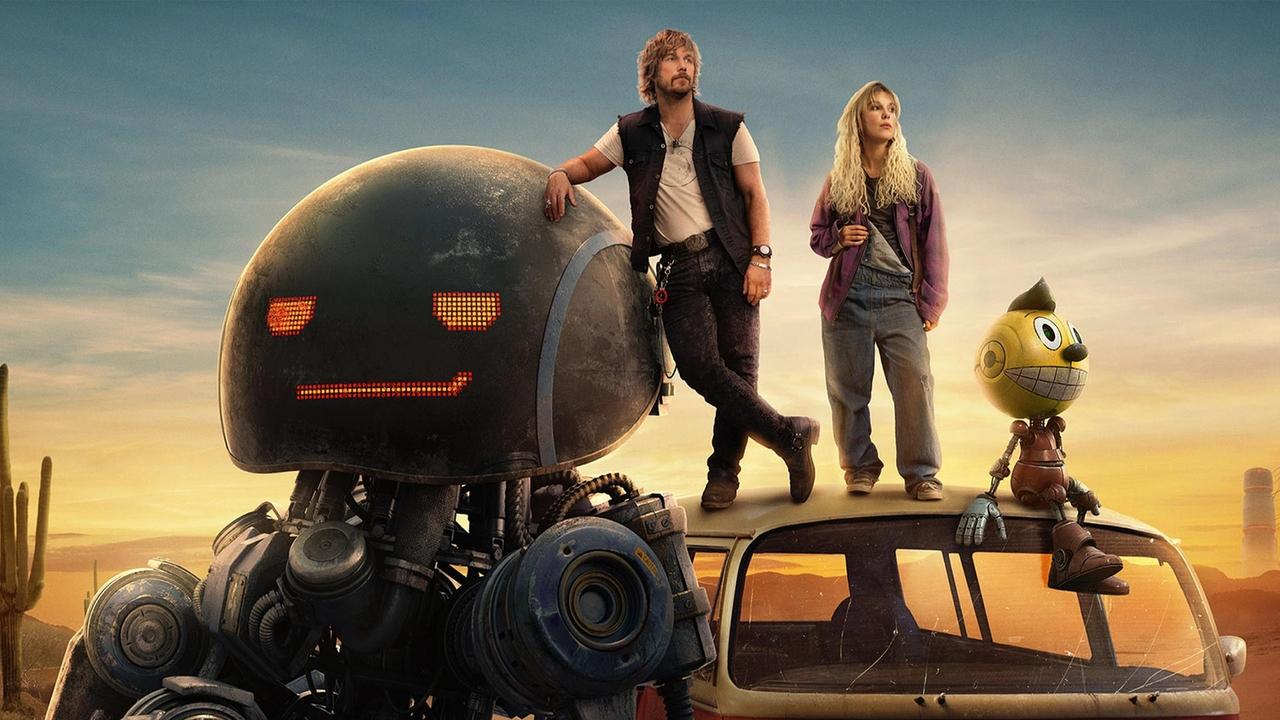
There is a specific kind of melancholy that comes from seeing a giant, rusted-out animatronic mascot slumped over a 1990s-era Taco Bell. It’s that exact brand of "junk-shop surrealism" that Simon Stålenhag captured in his original narrative art book, and I’ll admit, I was terrified the Russo Brothers were going to polish all the grime off of it. We’ve seen what happens when $320 million of Netflix’s money meets a "vision"—sometimes you get a sprawling epic, and sometimes you get a digital smoothie where everything tastes like grey pixels.
My neighbor was power-washing his driveway the entire time I watched this, and the constant, mindless hum of machinery actually provided a weirdly perfect 4D soundtrack for a movie about the leftovers of a robot uprising. It helped ground the experience, because The Electric State is a film that constantly teeters between being a soulful road trip and a high-octane franchise-starter.
The Aesthetics of a Digital Junkyard
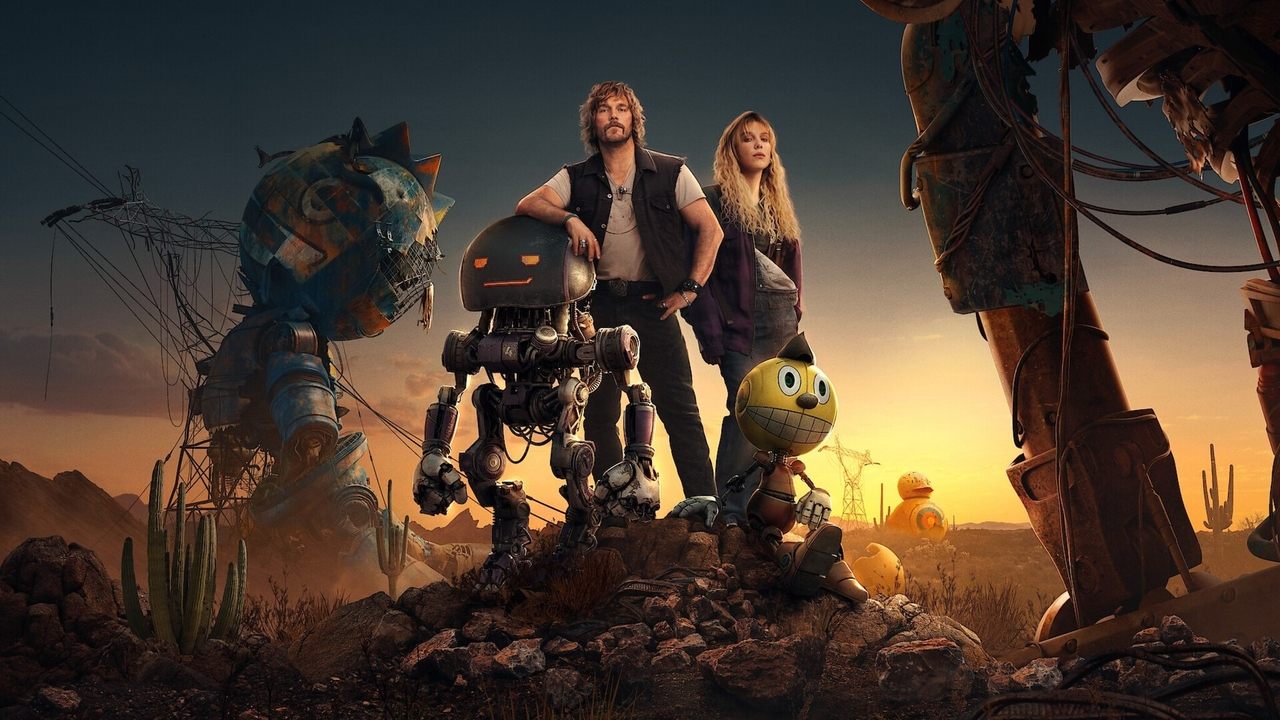
The story follows Michelle (a remarkably grounded Millie Bobby Brown), an orphaned teen navigating a retro-futuristic 1994 where a civil war between humans and AI has left the American West looking like a graveyard of consumer electronics. She’s looking for her brother, Christopher (Woody Norman), and she’s joined by a yellow robot named Cosmo who feels like a refugee from a lost Pixar film. Along the way, they pick up Keats (Chris Pratt), a smuggler who is basically doing a "What if Star-Lord stayed on Earth and got really into flannel?" riff.
What's fascinating here is how Anthony Russo and Joe Russo handle the world-building. In an era where "Virtual Production" (The Volume) often makes sets feel cramped and artificial, The Electric State feels massive. They’ve managed to marry the scale of their Marvel work (think Captain America: The Winter Soldier or Avengers: Infinity War) with a tactile, dusty reality. The robots don’t just look like CGI overlays; they have a dented, greasy weight to them. When Jason Alexander’s character, Ted—a cartoonish "Wingman" bot—waddles across the screen, you can practically smell the burnt oil and old plastic.
Action with Weight and Whimsy
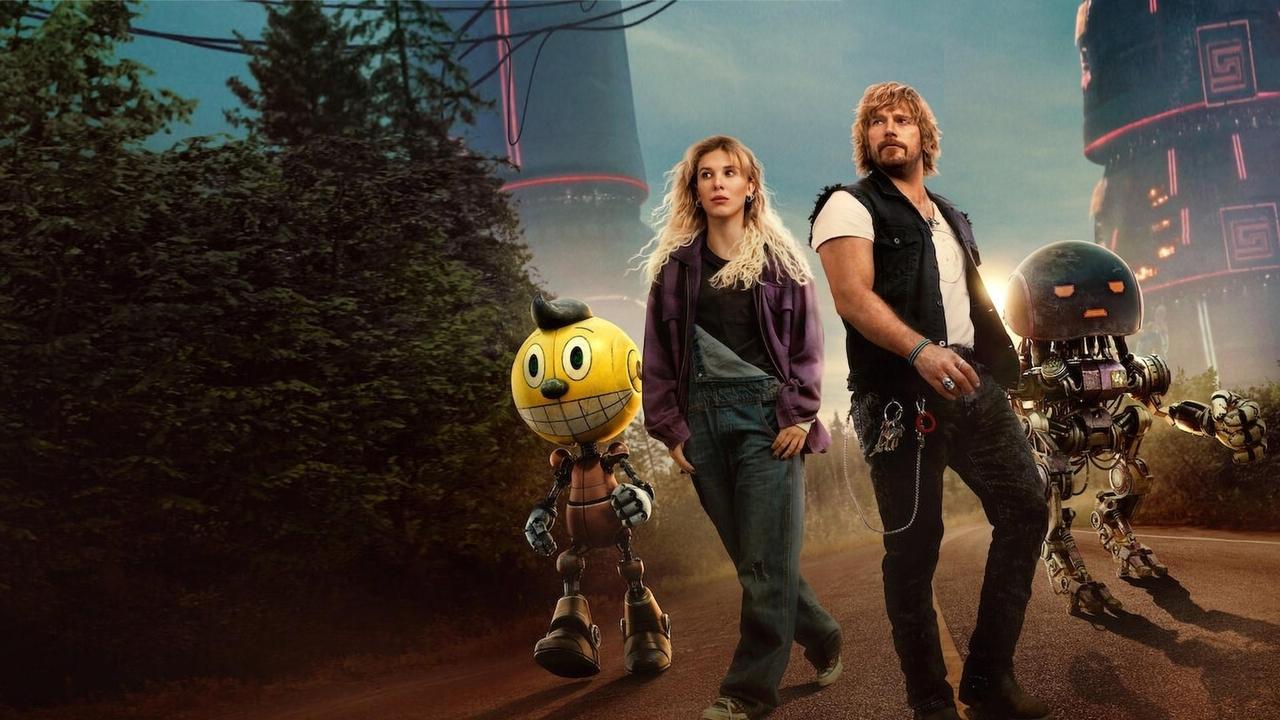
For a movie with this budget, the action sequences are surprisingly legible. There’s a sequence involving a chase through a forest of downed power lines that reminded me why the Russos were hired for the big chairs in the first place. They understand momentum. The choreography doesn’t just rely on "shaky-cam" to hide poor effects; instead, it uses the environment. Chris Pratt gets to do some physical comedy amidst the chaos that feels like a throwback to 80s adventure cinema, while Millie Bobby Brown provides the emotional anchor that keeps the stakes from floating away into the stratosphere.
However, it’s Ke Huy Quan as Dr. Amherst who stole my heart. Ever since his career resurgence in Everything Everywhere All at Once, the man has become the secret ingredient for any production. Here, he brings a frenetic, nervous energy that balances out the more stoic, "tough-guy" posturing of the Marshall, played with chilling precision by Giancarlo Esposito (a man who has seemingly perfected the art of being terrifying while standing perfectly still).
The action isn't just "bang-bang, boom-boom." It’s built around the idea of "Rage with the machines." There’s a sequence in a dilapidated VR "sim-parlor" that is genuinely the coolest thing I’ve seen in a sci-fi flick this year, blending psychological horror with mechanical carnage. It captures that contemporary anxiety about being "plugged in" while the real world rots around us.
The Streaming Paradox
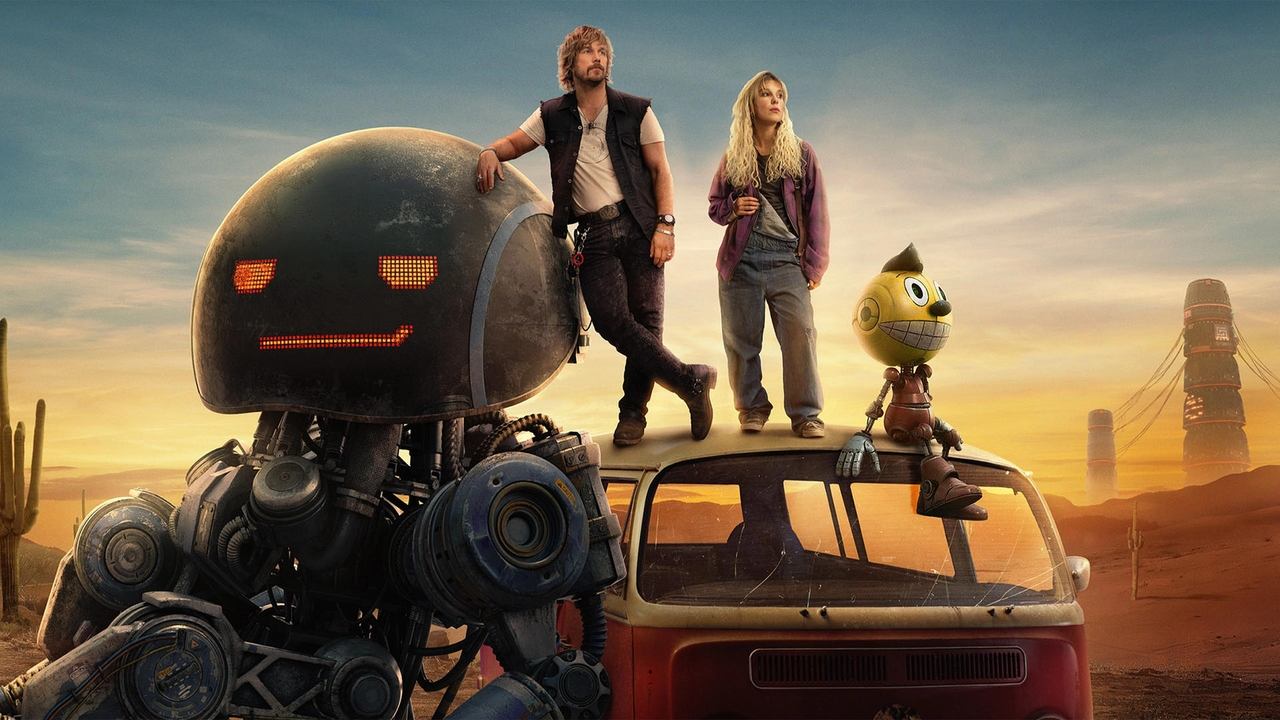
It’s impossible to talk about The Electric State without mentioning the $320 million elephant in the room. In the current landscape of "streaming dominance," movies this big often feel like they’re designed by an algorithm to be "background noise" while you fold laundry. This film fights against that. You can tell Stephen McFeely and Christopher Markus (the writers behind Captain America: Civil War) were trying to inject some actual soul into the script. It’s not just a series of fetch quests; it’s a story about the trauma of being left behind by technology.
Turns out, the production was a bit of a marathon. It faced significant delays, and at one point, the budget reportedly ballooned because the Russos were determined to use practical animatronics wherever possible to match Stålenhag’s art. You can see that money on the screen. It’s in the way the light hits the scratched glass of a robot's visor. It’s a far cry from the "disposable content" feel of something like The Gray Man (2022).
Ultimately, The Electric State is a gorgeous, slightly overstuffed adventure that succeeds because it cares about its characters as much as its chrome. It’s a film that recognizes our current obsession with nostalgia—the 90s setting is no accident—while warning us that living in the past is a great way to end up on the scrap heap. It’s the kind of high-concept swing we don’t see enough of outside of established franchises. If you have two hours and a decent sound system, give it a spin. It’s a road trip worth taking, even if the destination is a little rusty.

Keep Exploring...
-
Captain America: Civil War
2016
-
Avengers: Infinity War
2018
-
Avengers: Endgame
2019
-
TRON: Ares
2025
-
Venom: Let There Be Carnage
2021
-

The Gray Man
2022
-
The Hunger Games: Mockingjay - Part 2
2015
-
Captain America: The Winter Soldier
2014
-
Batman vs. Robin
2015
-

Justice League: Throne of Atlantis
2015
-
Batman: Bad Blood
2016
-
Justice League vs. Teen Titans
2016
-
Justice League Dark
2017
-
A-X-L
2018
-
Kin
2018
-
Rim of the World
2019
-
Underwater
2020
-
Black Widow
2021
-
Eternals
2021
-
The Matrix Resurrections
2021