The Gorge
"Love is a long-distance call into the abyss."
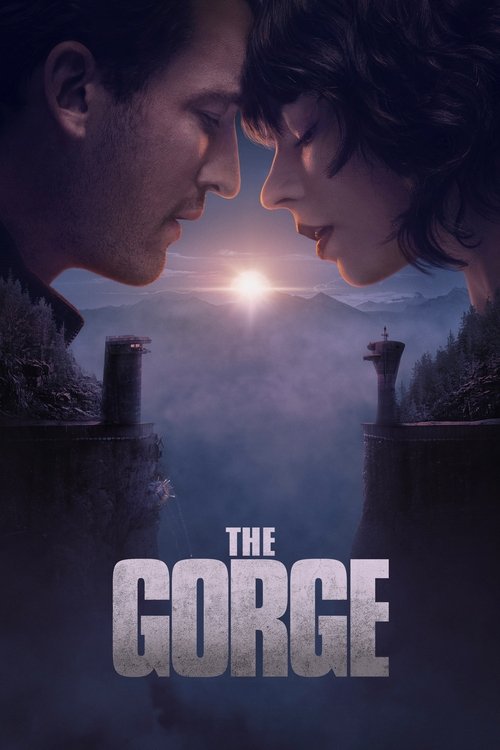
I watched The Gorge on my iPad while hiding from a particularly aggressive mid-afternoon thunderstorm, and honestly, the rattling windows in my living room provided a better 4D experience than anything you’d find at a multiplex. There is something deeply unsettling about watching two people trapped in high-tech birdcages while nature screams outside your own door. It’s the kind of film that makes you want to double-check the locks, not because of burglars, but because of the sheer, crushing weight of the unknown.

Directed by Scott Derrickson—the man who weaponized jumpscares in Sinister and brought a certain grimy mysticism to Doctor Strange—this isn't your standard "monsters in the dark" flick. It’s a weird, pulsing hybrid of a long-distance romance and a Lovecraftian nightmare. We’re in the thick of the streaming era, where "original content" usually feels like it was assembled by a committee of sentient spreadsheets, but The Gorge feels like a genuine anomaly. It’s a $70 million bet on a high-concept idea that shouldn't work, yet somehow, it’s already becoming the film that people on my social feeds won't shut up about.
Two Towers and a Whole Lot of Tension
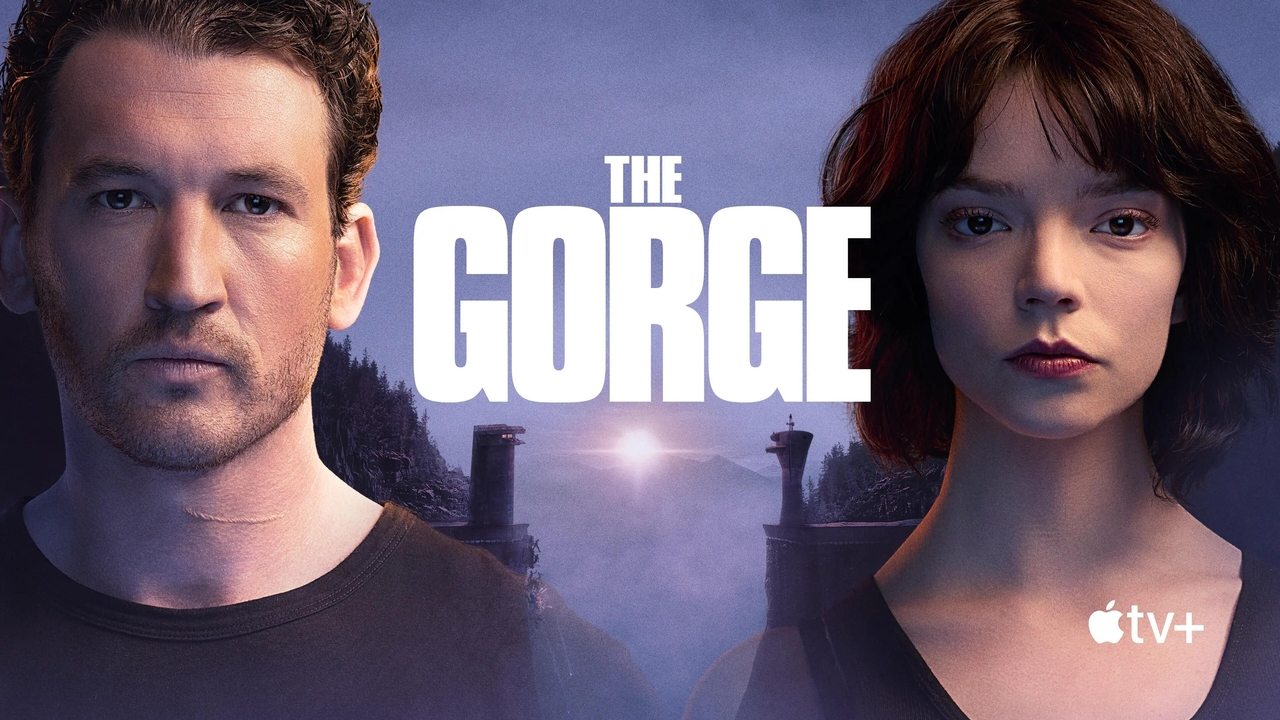
The premise is deceptively simple: Levi (Miles Teller) and Drasa (Anya Taylor-Joy) are elite snipers stationed on opposite sides of a massive, fog-shrouded chasm. Their job? Don’t let anything come out. They can’t see each other's faces; they only have their voices and the shared boredom of being the world's most overqualified security guards.
Miles Teller brings that specific brand of "haunted frat boy" energy he’s perfected lately—a man whose jawline is as sharp as his skepticism. But the real magnetic north here is Anya Taylor-Joy. Even when she’s just a voice or a silhouette, she commands the screen with an ethereal intensity that makes you believe there’s something more than just military protocols behind her eyes. When they finally start breaking the rules to connect, it feels earned. I found myself rooting for them to ditch their posts and grab a coffee, even though I knew the second they looked away, something would start climbing those walls.
The first hour is a masterclass in sustained dread. Scott Derrickson uses the isolation of the contemporary "Volume" technology (those massive LED screens) to create an environment that feels both expansive and claustrophobic. It’s a beautiful, terrifying trap. I’ve noticed a lot of modern sci-fi feels sterile, but there’s a grit here—a sense that the equipment is rusting and the people are fraying at the edges.

The Weirdness Below the Surface
When the "evil" finally decides to show its face—or faces—the movie shifts gears into something much more intense. We get Sigourney Weaver as Bartholomew, a role that feels like a meta-wink to her Alien legacy. She’s the voice of the institution, the cold logic standing against the chaos of the pit. It’s a blast seeing her back in the genre sandbox, reminding everyone that she can still chill your marrow with a single, measured sentence.
Word is that Miles Teller and Anya Taylor-Joy were actually kept physically separated for the first few weeks of production to simulate that sense of longing and distance. It shows. Their chemistry is built on words and timing, which makes the eventual physical stakes feel remarkably heavy. The central romantic tension carries more weight than the actual monsters, which occasionally look like a PlayStation 5 tech demo. I didn't mind the CGI hiccups, though, because the emotional core was so locked in.
There’s a specific kind of cult following growing around this movie, primarily because it refuses to explain its lore in a tidy way. It’s a "Black List" script that sat around for years because it was too weird for the traditional studio system, and that strangeness is its greatest asset. Fans are already obsessively cataloging the symbols etched into the gorge walls and theorizing about what Ṣọpẹ́ Dìrísù’s character actually knew. It’s the kind of "puzzle box" cinema that thrives in our current era of YouTube deep-dives and Reddit threads.
The New Midnight Movie
What makes The Gorge stay with you isn't just the scares; it’s the climate-adjacent anxiety. There’s a persistent feeling that these characters are guarding a secret the world isn't ready for, or perhaps a secret the world has already forgotten. In an age of franchise fatigue, seeing a standalone sci-fi film take this many swings—even if a few of them miss—is refreshing. It’s dark, it’s uncomfortably intimate, and it treats its audience like they’re smart enough to handle a bit of ambiguity.
I’ll admit, the ending is going to be a "love it or hate it" situation. It leans hard into the "Science Fiction as a Fever Dream" aesthetic, eschewing a clean resolution for something much more visceral and haunting. But isn't that what we want from our cult classics? I’d much rather have a film that haunts my sleep than one I forget before the credits finish rolling.
If you’re looking for a safe, predictable thriller to have on in the background while you fold laundry, this isn't it. The Gorge demands you sit in the dark and feel the isolation along with its leads. It’s a gritty, romantic, and occasionally baffling descent into the abyss that proves Scott Derrickson still knows how to make our skin crawl. Just do me a favor: watch it on the biggest screen you have, and maybe keep a light on. That fog is thicker than it looks.
Keep Exploring...
-
Tenet
2020
-
Prey
2022
-
Greenland
2020
-
The Black Phone
2022
-
Companion
2025
-
My Fault
2023
-

The Substance
2024
-
What Happened to Monday
2017
-
A Quiet Place Part II
2021
-
Gattaca
1997
-

M3GAN 2.0
2025
-

Predator: Killer of Killers
2025
-
Extraction
2020
-
Extraction 2
2023
-
Fast X
2023
-
Guy Ritchie's The Covenant
2023
-
Mission: Impossible - Dead Reckoning Part One
2023
-
The Equalizer 3
2023
-

Ballerina
2025
-
Mission: Impossible - The Final Reckoning
2025