The Long Walk
"Four miles per hour. No stops. No mercy."
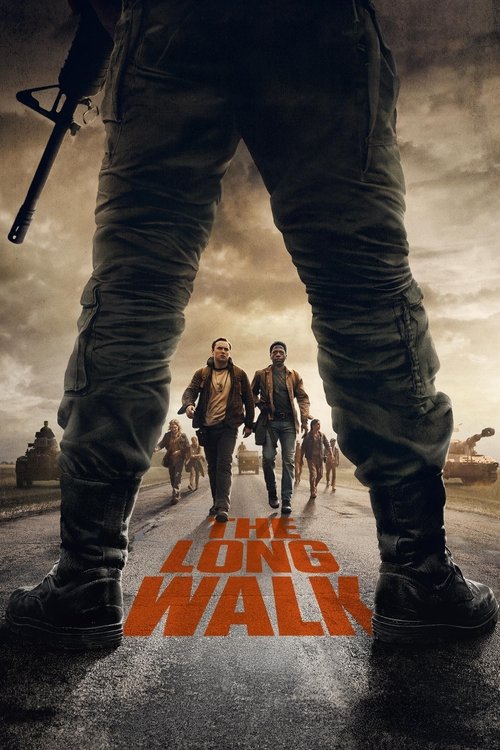
I watched this movie while wearing a pair of old socks with massive holes in the heels, and honestly, the drafty sensation around my ankles made the whole experience significantly more stressful. You don't realize how much you value your feet until you spend nearly two hours watching fifty boys literally walk themselves into an early grave.
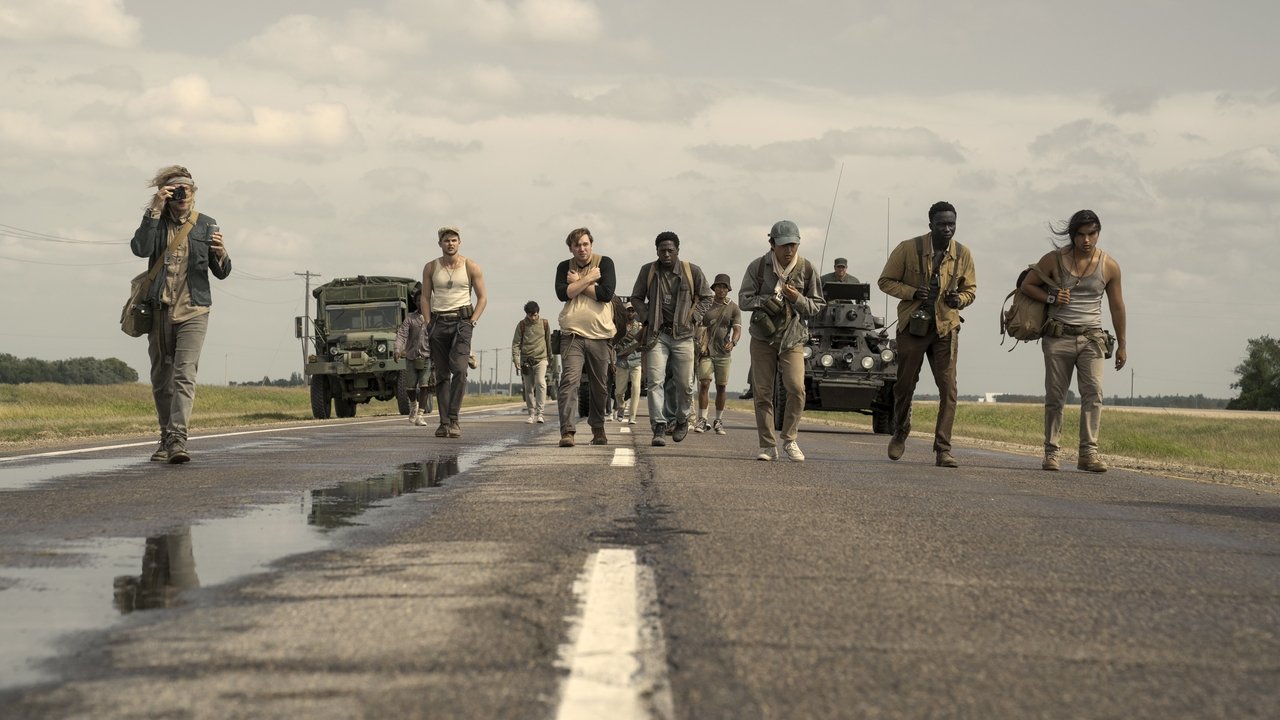
For decades, Stephen King’s The Long Walk—written under his Richard Bachman pseudonym—was the "impossible" adaptation. It’s a story where nothing happens except walking, yet everything is at stake. It’s the ultimate psychological pressure cooker. After years of development hell involving names like Frank Darabont, we finally got this 2025 version directed by Francis Lawrence. If you were worried that the guy who steered the Hunger Games franchise would soften the edges of King’s most nihilistic work, you can breathe out. Francis Lawrence didn't just keep the edges; he sharpened them until they drew blood.
The Agony of the Average Pace
The premise is deceptively simple: 100 boys start walking. If they drop below four miles per hour, they get a warning. Three warnings, and they get "ticketed"—which is a polite dystopian euphemism for being shot in the head by the military escort. The last one standing wins "The Prize," which is basically anything they want for the rest of their life.
What makes this film work in our current era of over-stuffed, IP-driven blockbusters is its relentless, mid-budget focus. With a modest $20 million price tag, the film doesn't rely on massive CGI arenas or convoluted world-building. Instead, it leans into the dust, the sweat, and the sheer physical exhaustion of the road. Francis Lawrence, working with cinematographer Jo Willems (who lensed Red Sparrow), captures the American landscape not as a place of freedom, but as a linear treadmill of doom.
The horror here isn't about jump scares; it's about the "Warning" system. That mechanical, dispassionate voice announcing a warning over the loudspeaker becomes a character in itself. It’s a psychological grind that feels uncomfortably relevant in a culture currently obsessed with "hustle" and the fear of falling behind. Most 'death game' movies are just excuses for cool CGI kills, but this one actually makes you feel like your own legs are giving out.
A Cast Standing on Their Own Two Feet

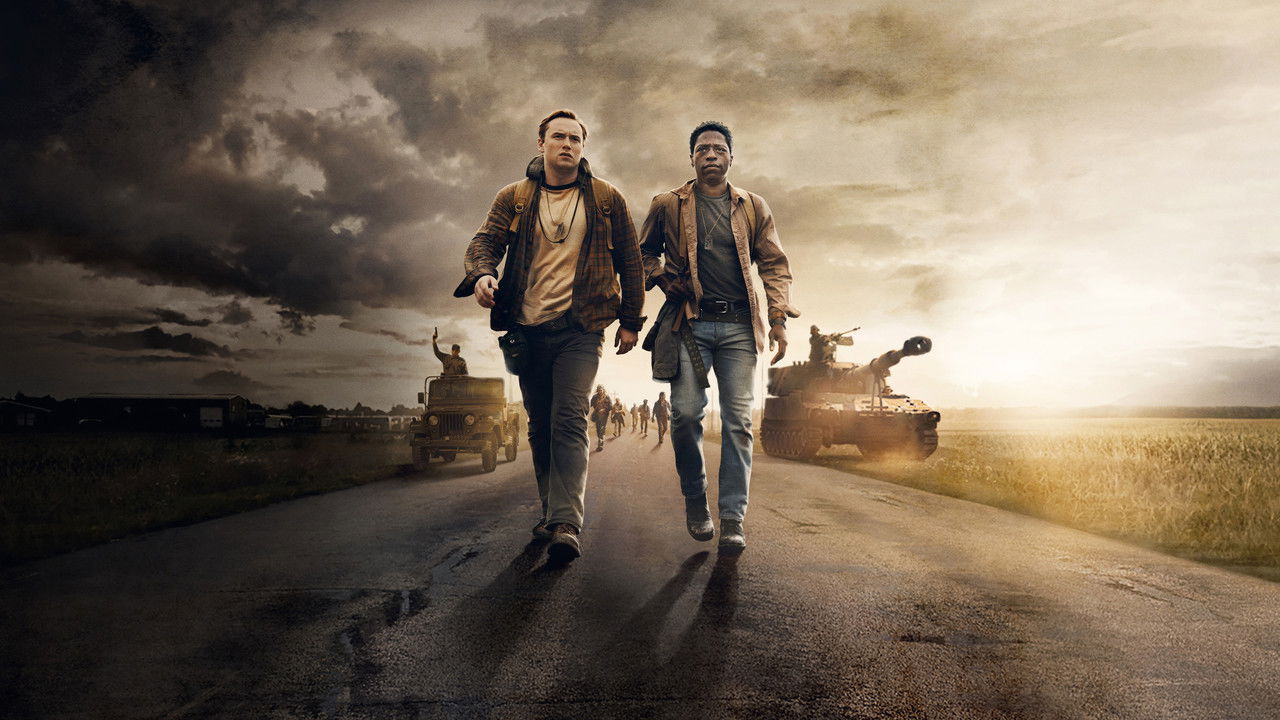
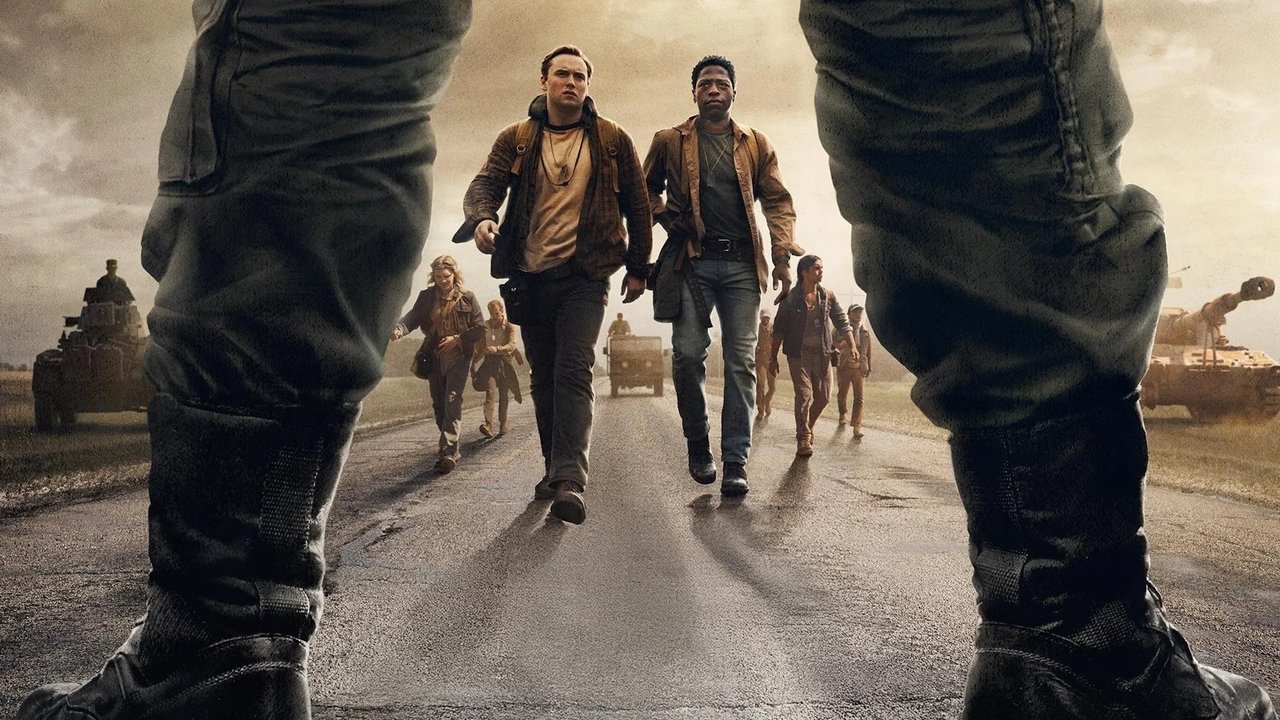
The heavy lifting falls on the shoulders of Cooper Hoffman, who plays our protagonist, Raymond Garraty. Ever since Licorice Pizza, I’ve been waiting to see if Hoffman had the range to carry something this dark. He does. He has this incredible "average Joe" quality that makes his descent into delirium feel earned rather than performative.
But the real standout for me was David Jonsson as McVries. Fresh off his scene-stealing turn in Alien: Romulus, Jonsson brings a jagged, cynical warmth to the group. His chemistry with Hoffman is the emotional spine of the film. In a story where everyone is technically an enemy, their burgeoning, doomed friendship is what keeps you from turning the screen off out of sheer misery.
Then there’s Garrett Wareing as Stebbins. He’s the "pro" walker, the one who stays silent and mysterious. Wareing plays him with a haunting, detached stillness that makes him feel like a ghost who hasn't realized he’s dead yet. The screenplay by JT Mollner—the mind behind the indie thriller Strange Darling—does a fantastic job of translating King’s internal monologues into sharp, desperate dialogue. These boys aren't heroes; they’re impulsive teenagers who made a fatal mistake, and watching them realize the gravity of their choice is heartbreaking.
Why This Walk Hits Different Now
In the 2020s, we’ve seen a massive surge in "death game" media, from Squid Game to the endless Hunger Games prequels. It’s easy to get fatigued by the genre. However, The Long Walk succeeds because it strips away the pageantry. There are no fancy costumes, no cheering crowds in the Capitol, and no revolutionary subplots. It’s just a road, a bunch of kids, and the inevitable end.

The score by Jeremiah Fraites (founding member of The Lumineers) is a stroke of genius. It’s not your typical horror synth-fest. It’s rhythmic, percussive, and steady—mimicking the footfalls of the walkers. It gets under your skin and stays there, creating a sense of momentum that feels impossible to escape.
Apparently, the production faced its own "long walk" in Manitoba, dealing with unpredictable weather that actually helped ground the performances. You can see the genuine shivering and the raw, chapped skin. Hollywood usually sanitizes King’s weirdest edges, but Lawrence finally let the nihilism breathe. There's a scene involving Ben Wang’s character, Olson, that is so grotesque and pathetic—exactly as described in the book—that I actually had to look away from my bowl of popcorn for a second.
This isn't a "feel-good" movie, and it doesn't try to be. It’s a lean, mean, and deeply empathetic look at the cruelty of a system that treats young lives as disposable entertainment. While it might lack the massive scale of Lawrence’s previous dystopian hits, it gains a bone-deep intensity by staying small. It’s a film about the moments of grace we find when there's nowhere left to go but forward. If you can handle the bleakness, it’s one of the most effective King adaptations in years—just make sure you’re wearing comfortable shoes when you watch it.
Keep Exploring...
-
Color Out of Space
2020
-

Synchronic
2020
-
Crimes of the Future
2022
-
Oxygen
2021
-
Companion
2025
-
The Invisible Man
2020
-
A Quiet Place Part II
2021
-
A Quiet Place: Day One
2024
-

Subservience
2024
-

The Substance
2024
-
Gretel & Hansel
2020
-
Boss Level
2021
-
Willy's Wonderland
2021
-

Hellraiser
2022
-

Watcher
2022
-
No One Will Save You
2023
-
Abigail
2024
-
Immaculate
2024
-

MaXXXine
2024
-
Speak No Evil
2024