Warfare
"The fog of war is made of memories."
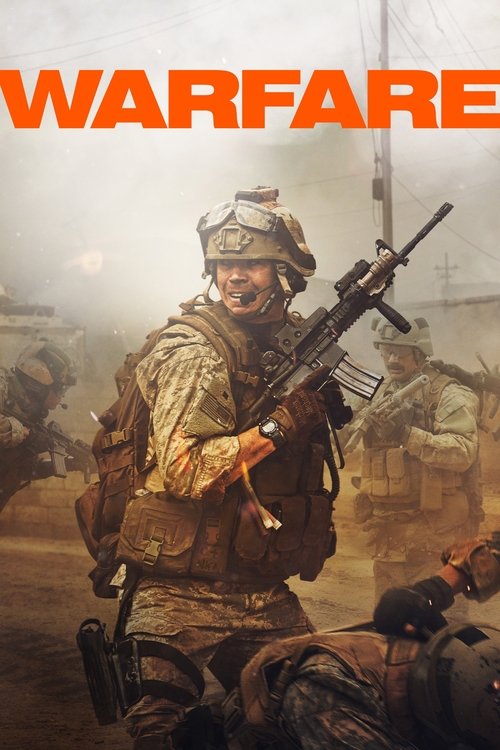
The high-pitched, sustained whistle of a flashbang isn't just a sound effect in Warfare; it feels like the movie’s entire nervous system. Most war films aim for a "you are there" sense of chronological immersion, but Alex Garland and Ray Mendoza have crafted something far more jagged and uncomfortable. It’s a film about Ramadi, sure, but it’s really a film about the unreliable architecture of the human brain under duress. I watched this while nursing a slightly lukewarm cup of peppermint tea that I’d forgotten to sweeten, and that bitter, medicinal aftertaste ended up being the perfect companion for a movie that refuses to offer even a spoonful of narrative sugar.
The Architecture of a Scab
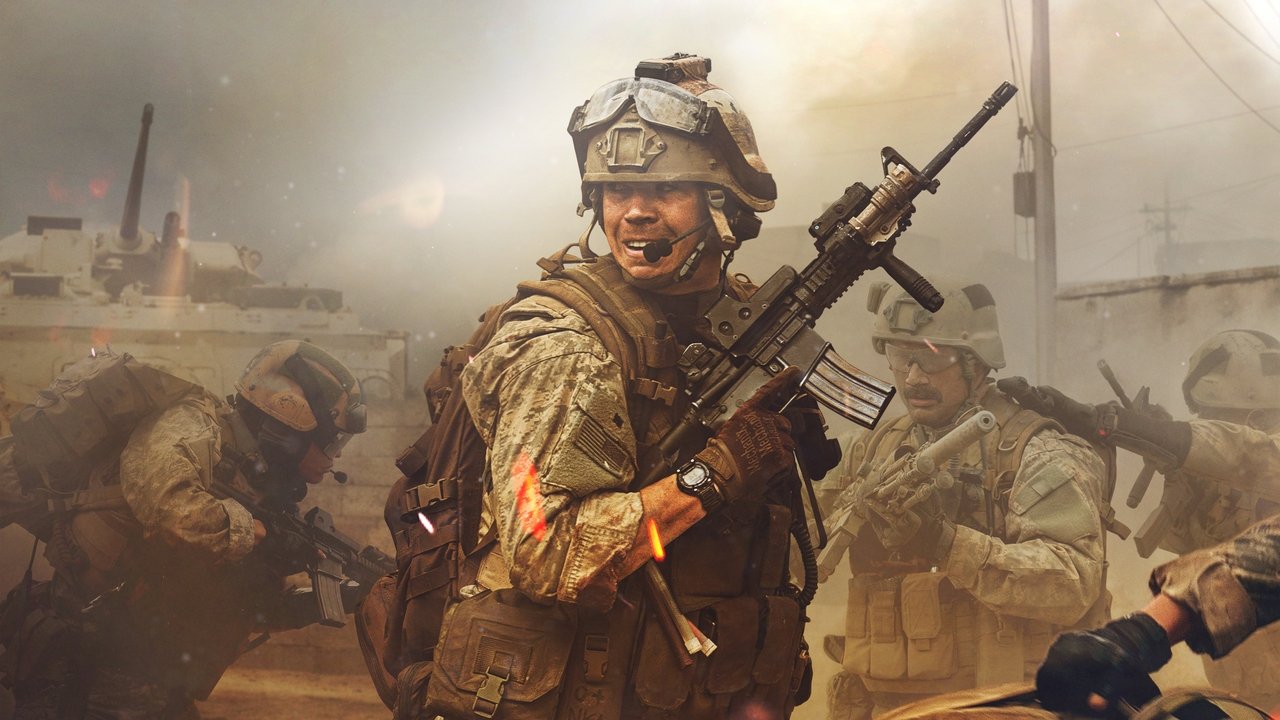
Released in a cinematic landscape where the "A24 War Movie" has become its own distinct, mood-heavy subgenre, Warfare avoids the sweeping political grandstanding of its peers. Instead, it operates on a granular, almost microscopic level. The plot is ostensibly about a Navy SEAL platoon, but the "plot" is secondary to the "vibe"—and the vibe is basically a panic attack caught in a hall of mirrors. Because the film is framed through the lens of memory, sequences don't always connect with a traditional "A to B" logic. A door kicked open in 2006 might lead directly into a quiet, haunted moment in a kitchen years later.
This approach gives the action a terrifyingly unpredictable rhythm. Ray Mendoza, who co-directed and co-wrote, isn't just a filmmaker; he’s a former SEAL who lived through the events in Ramadi. That lived experience bleeds into every frame. There’s a lack of "movie-ness" to the gunfights that makes them feel genuinely repulsive. It makes most modern military shooters look like a polite game of laser tag. The camera, handled with a cold, observational distance by David J. Thompson (who worked on Civil War), doesn't hunt for "cool" shots. It hunts for the small, domestic details that get caught in the crossfire—a cracked tile, a discarded toy, the way dust hangs in a shaft of light after a wall collapses.
The New Guard of Grit
The casting here is a fascinating snapshot of where Hollywood is heading. We’re moving away from the era of the hulking, invulnerable 80s action star and into an era of "sensitive intensity." D'Pharaoh Woon-A-Tai, whom I still primarily associate with the dry humor of Reservation Dogs, is a revelation as Ray. He carries a stillness that suggests a man trying to hold a shattered vase together with his bare hands. Watching him navigate the moral swamp of urban combat alongside Will Poulter is like watching two different generations of "prestige" acting collide. Poulter, as Erik, uses that expressive face of his to convey a terrifying level of professional competence masked by a soul that is clearly being eroded in real-time.

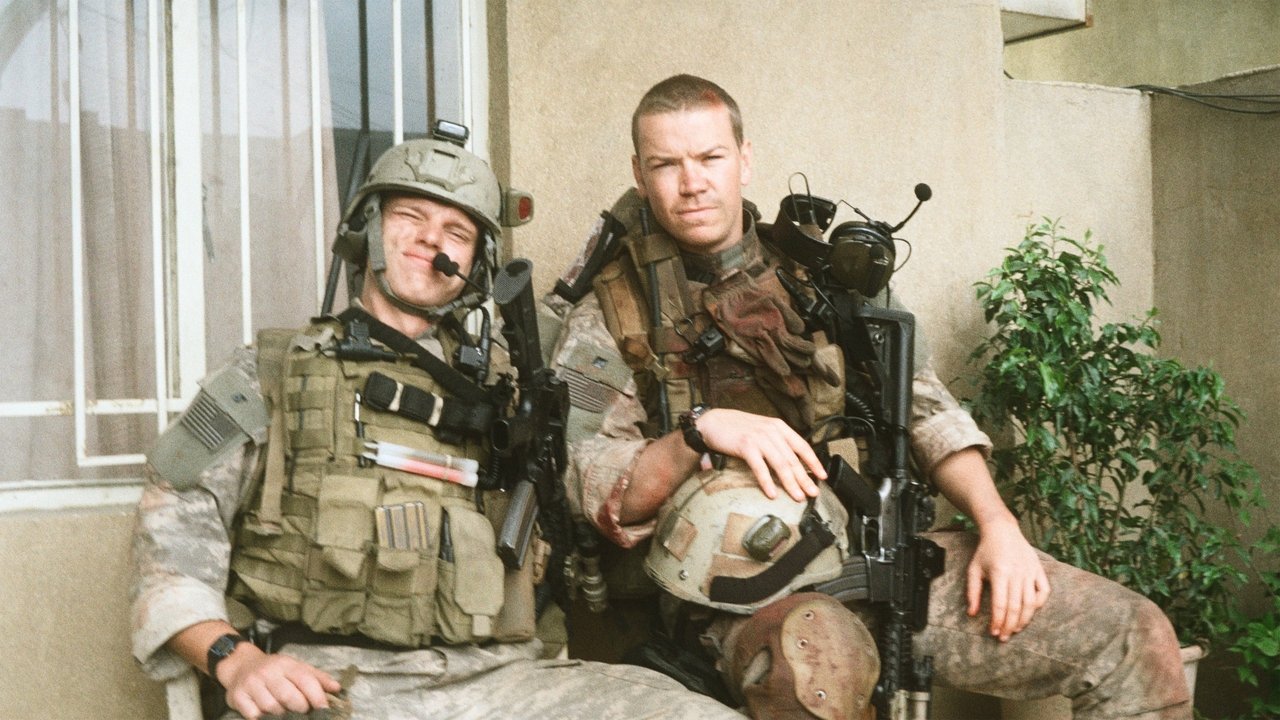
Then there’s the "Heartstopper" factor. Seeing Kit Connor traded in for a dusty uniform and a rifle is the kind of jarring transition that the internet loves to obsess over, but he earns his keep here. He plays Tommy with a raw, wide-eyed vulnerability that reminds you these were, in many cases, just kids sent into a meat grinder. Finn Bennett and Cosmo Jarvis round out a cast that feels less like a movie ensemble and more like a group of guys who have shared the same miserable foxhole for a decade. Their chemistry isn't built on witty banter; it's built on a shared language of nods, grunts, and the frantic, silent communication of people who are terrified of dying.
Beyond the After-Action Report
What makes Warfare stay with you—and what likely contributed to its somewhat muted box office performance in a market craving "easy" entertainment—is its refusal to be an "action" movie in the traditional sense. It’s an "action" movie the way a car crash is "transportation." The choreography is tight, the stunts are clearly performed with a high degree of practical realism, and the sound design is a literal assault on your eardrums, but none of it is designed to be fun.
One of the more interesting bits of trivia involves the production’s commitment to authenticity: Ray Mendoza reportedly insisted on tactical movements that were so accurate they had to be slightly "de-tuned" to ensure they didn't look too robotic on camera. It’s that tension between the reality of the soldier and the needs of the cinema that gives the film its unique, friction-filled energy.
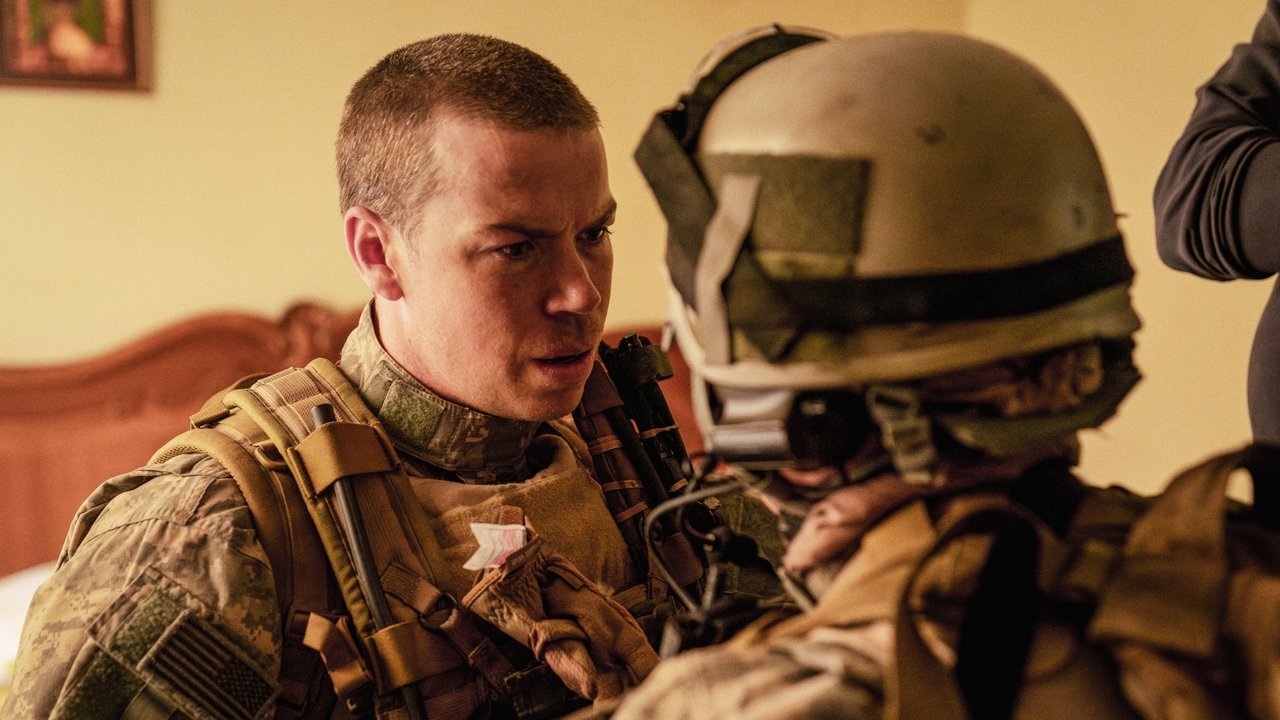
If you’re looking for a triumphant story of heroism, you’ve come to the wrong place. Warfare is a movie about the cost of holding onto things that are meant to be forgotten. It’s a contemporary war film that feels like a ghost story, capturing a specific moment in the mid-2020s where we’ve collectively stopped looking for "meaning" in these conflicts and started looking at the scars they left behind.
Warfare is a difficult, demanding piece of cinema that replaces the typical adrenaline of the genre with a thick, suffocating dread. It’s not a movie you "enjoy" so much as one you "undergo." By focusing on the frailty of memory rather than the glory of the mission, Garland and Mendoza have created a portrait of combat that feels both incredibly specific and hauntingly universal. It’s a film that demands your full attention, and in exchange, it promises to ruin your sleep for at least a couple of nights.
---

Keep Exploring...
-
Civil War
2024
-
Land of Bad
2024
-
The Outpost
2020
-
Т-34
2018
-
Kandahar
2023
-

Sisu
2022
-
Guy Ritchie's The Covenant
2023
-

M3GAN 2.0
2025
-
Nobody 2
2025
-
The Ministry of Ungentlemanly Warfare
2024
-
Greyhound
2020
-

#Alive
2020
-
The Stronghold
2021
-
Emancipation
2022
-

Predator: Killer of Killers
2025
-
13 Hours: The Secret Soldiers of Benghazi
2016
-
Dunkirk
2017
-
1917
2019
-
Beasts of No Nation
2015
-

The Zookeeper's Wife
2017