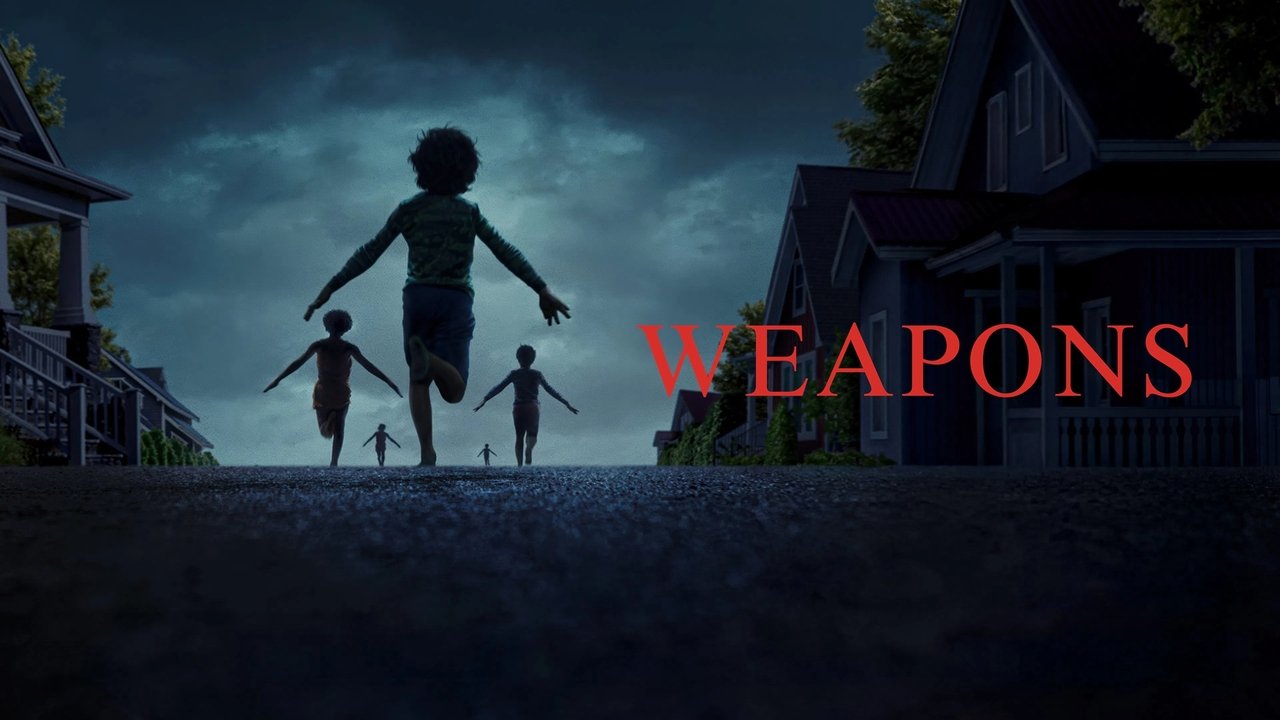
Weapons
"The darkness is coming for your kids."
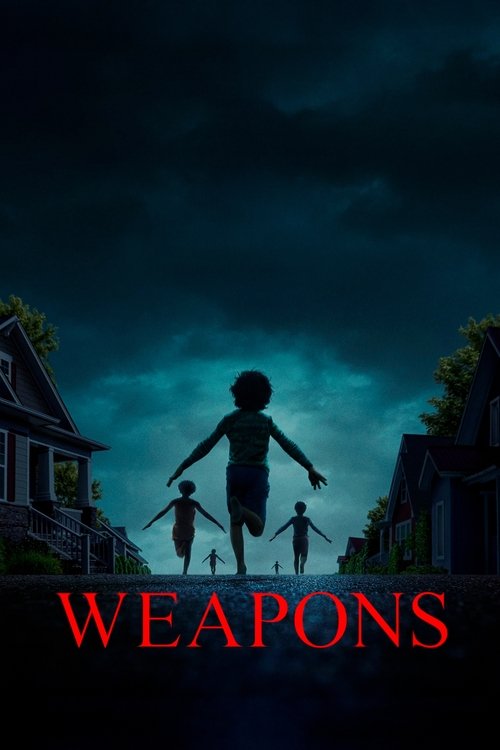
I remember checking my watch at exactly 2:17 AM for about a week after I first saw Weapons. It’s that specific brand of psychological rot that sticks to your ribs long after the credits roll. I actually watched this in a theater where the air conditioning was cranked so high I had to buy a second, overpriced tub of popcorn just to have something warm to hold against my chest, but honestly, the chill in the room felt less like HVAC and more like the movie itself bleeding into the seats.
When Zach Cregger burst onto the scene with Barbarian (2022), he proved he was a master of the "left turn." You think you’re watching one movie, and then the floor drops out. With Weapons, he isn't just dropping the floor; he’s dismantling the entire house. It’s a sprawling, multi-narrative nightmare that feels like Magnolia (1999) crashed head-first into a supernatural abyss. In an era where we are constantly told that original horror is dead or relegated to "elevated" metaphors about grief, Cregger just handed us a $38 million sledgehammer to the face.
The 2:17 AM Cold Snap
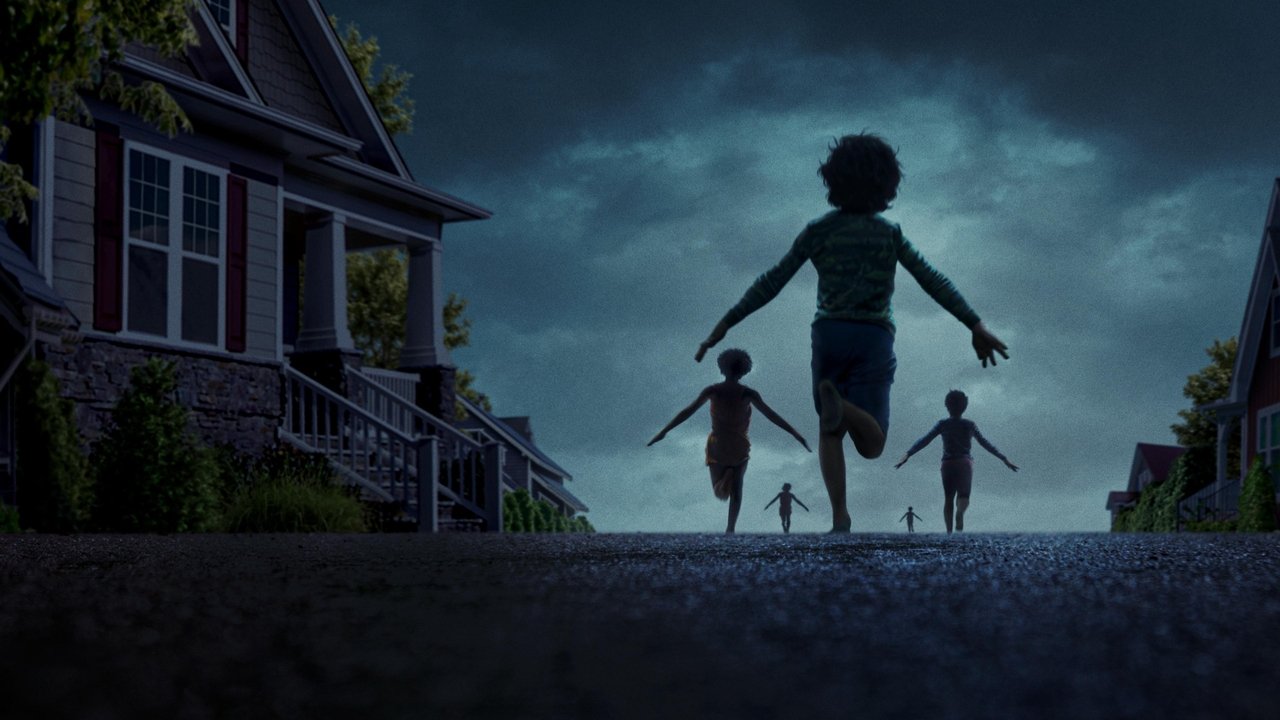
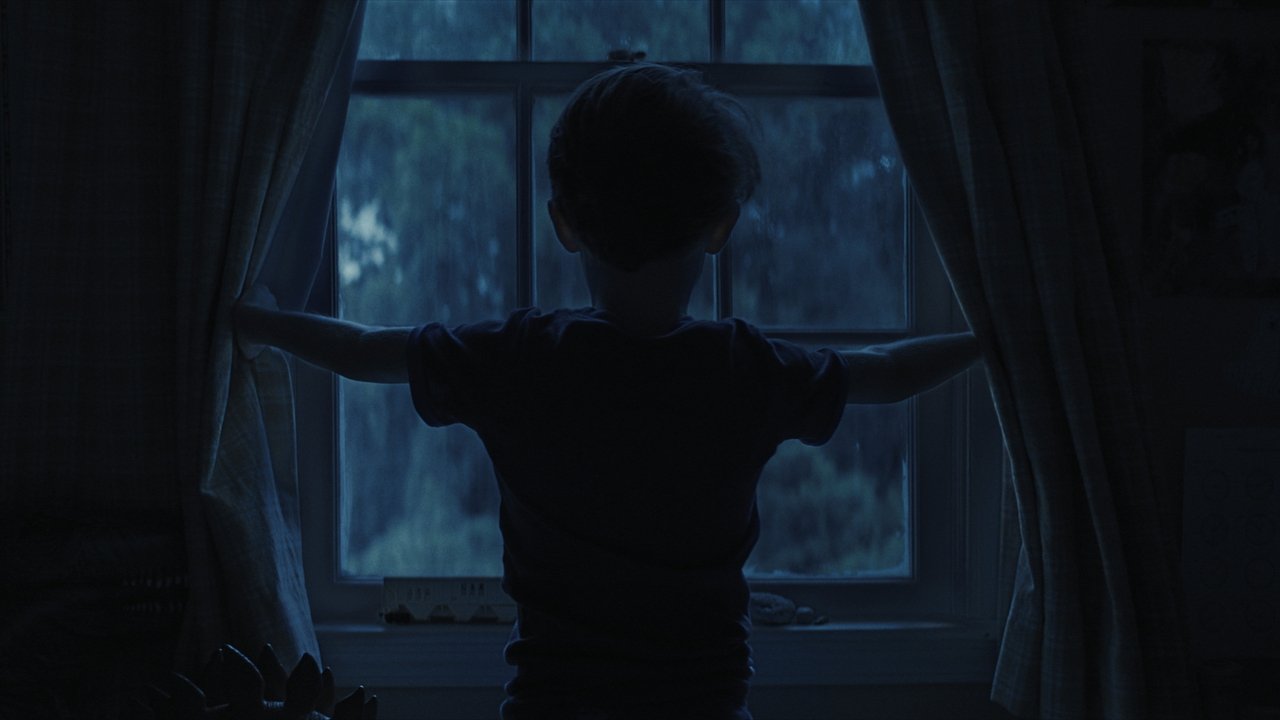
The premise is the stuff of genuine parental panic. A whole classroom of kids just… leaves. They wake up, they walk out, and they vanish. But the movie doesn’t stay in the "missing persons" lane for long. We follow a disparate group of residents—a weary Archer played by Josh Brolin, a frantic Justine played by Julia Garner, and Benedict Wong’s Marcus—as their lives intersect through a series of increasingly grim vignettes.
What I loved about the structure is how it refuses to hold your hand. Cregger, who also handled the screenplay and the unnerving, metallic score, uses a non-linear approach that mirrors the confusion of the characters. We see the "weapons" of the title manifest in ways that are both literal and terrifyingly metaphorical. The tension isn't built on jump scares; it’s built on the realization that the suburban safety net is actually made of razor wire.
Julia Garner is particularly haunting here. She has this way of vibrating with anxiety that makes my own skin itch. There’s a sequence involving her character and a darkened hallway that utilized silence so effectively I could hear the guy three rows back trying to unwrap a Starburst like he was diffusing a bomb. It’s a testament to the sound design—those long, oppressive stretches of quiet broken by sounds that shouldn't be there.
A New Line Power Move
The industry backstory of Weapons is almost as intense as the film itself. After Barbarian became a viral sensation, every studio in Hollywood wanted Cregger’s next project. New Line Cinema—the legendary "House that Freddy Built"—eventually won a massive bidding war. It was a huge swing for a contemporary studio to put nearly $40 million behind an R-rated, original horror epic with no "IP" attached.
The gamble paid off to the tune of $269 million, proving that audiences are actually smarter than studio executives think they are. People didn't go see this because it was part of a "cinematic universe"; they went because it promised a singular, terrifying experience that social media couldn't stop talking about. It’s a blockbuster in the truest sense—it dominated the cultural conversation because it felt dangerous.
The production didn't have it easy, though. Between navigating the shifting sands of post-pandemic filming and a cast that was constantly being juggled (remember when Pedro Pascal was briefly attached?), the fact that it feels so cohesive is a miracle. The practical effects, handled with a "less is more" philosophy until the third act's absolute explosion of madness, are some of the best I've seen this decade. When we finally see what’s behind the disappearances, it looks like something pulled directly from a fever dream had by a very disturbed medieval monk.
Moral Rot and Modern Dread
While the film is a masterclass in atmosphere, it’s the "Contemporary Cinema" context that makes it bite. Weapons feels like a product of our current moment—a time of deep political polarization and a general sense that the world is tilting on its axis. The horror here isn't just about a monster in the woods; it’s about the collective failure of a community.

Josh Brolin’s face looks like a topographical map of every bad decision his character ever made, and his performance anchors the movie’s more fantastical elements in a gritty, recognizable reality. He represents a generation that realizes, too late, that the world they're leaving for their children is haunted by the ghosts they helped create.
The movie treats its violence with a somber weight. This isn't "fun" slasher territory. Every choice has a consequence, and the stakes feel genuinely final. By the time Alden Ehrenreich and Austin Abrams show up to navigate their own corners of the mystery, you realize that the "weapons" aren't just objects—they are the secrets and traumas we pass down until they eventually go off.
Weapons is a reminder of why we go to the theater. It’s big, it’s loud, and it’s deeply, fundamentally upsetting in a way that streaming-first horror rarely manages to be. Zach Cregger has solidified himself as a premiere architect of dread, crafting a film that respects its audience’s intelligence while simultaneously trying to scare them out of their seats. If this is the direction of modern horror, I’m more than happy to keep losing sleep. Just don't expect me to be awake at 2:17 AM.
Keep Exploring...
-
The Conjuring: The Devil Made Me Do It
2021
-
Saw X
2023
-

Final Destination Bloodlines
2025
-
Barbarian
2022
-
Get Out
2017
-
Fear Street: 1978
2021
-
Scream
2022
-
Smile
2022
-
Longlegs
2024
-

Smile 2
2024
-
Fear Street: 1666
2021
-
Last Night in Soho
2021
-
M3GAN
2022
-
The Black Phone
2022
-
Five Nights at Freddy's
2023
-
Hereditary
2018
-

Midsommar
2019
-
Scary Stories to Tell in the Dark
2019
-
Escape Room
2019
-
Us
2019