Wolf Man
"Bad moons and worse marriages."
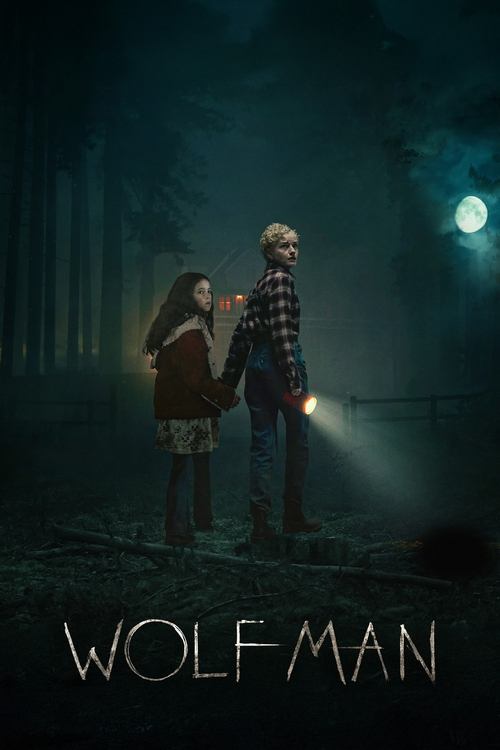
Leigh Whannell is currently the only person at Universal Pictures who seems to understand that you don’t need a hundred-million-dollar CGI sandstorm to make a classic monster relevant again. After he successfully turned The Invisible Man (2020) into a terrifying metaphor for domestic gaslighting, he’s back with Wolf Man (2025), a film that strips away the Victorian fog of Lon Chaney Jr. and replaces it with the claustrophobic anxiety of a failing marriage in rural Oregon. I watched this while my neighbor was getting their tree stumps ground down outside, and the rhythmic, guttural roar of the machinery weirdly synced up with the film’s drone-heavy score, making me feel like my own living room was about to be breached.

The Domestic Pressure Cooker
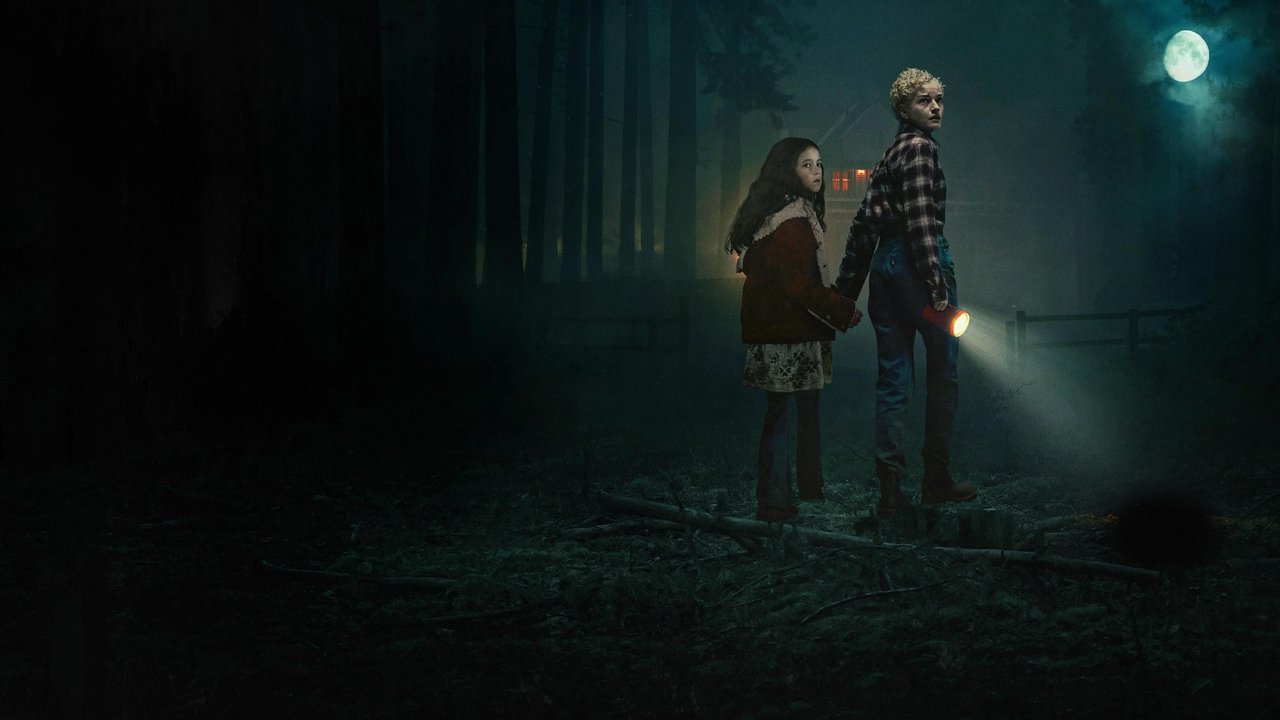
The setup is lean, mean, and very much in line with the Blumhouse "high concept, low budget" ethos. Christopher Abbott plays Blake, a man who dragooned his wife, Charlotte (Julia Garner), and their daughter, Ginger (Matilda Firth), to his remote childhood home to reconnect. Of course, "reconnecting" in a horror movie usually involves someone getting their jugular ventilated by a local cryptid. Within minutes of arriving, they are attacked by an unseen beast and end up barricaded inside the farmhouse.
What follows isn't your typical silver-bullet-and-gypsy-curse romp. Whannell and co-writer Corbett Tuck treat the werewolf trope as a deteriorating medical condition mixed with a mid-life crisis. The film thrives on the "prowler on the perimeter" tension, but the real horror is inside the house. As Blake begins to change, the movie asks a very contemporary question: what do you do when the man you're supposed to trust becomes a literal animal? This movie is essentially a divorce mediation where one party happens to be growing claws.
Abbott’s Animalistic Descent
Christopher Abbott is perhaps the best actor working today at looking like he’s having a permanent, internal panic attack (It Comes at Night, Possessor). He doesn't just "turn" into a wolf; he decays into one. His performance is a masterclass in physical discomfort, capturing a man who is terrified of the beast within but also, deep down, might be finding a dark sort of liberation in it. Opposite him, Julia Garner—who I’m convinced can play "terrified yet resourceful" better than anyone since Sigourney Weaver—carries the emotional weight of the film. She isn't just a damsel; she’s a mother performing a triage on her life while the walls literally close in.
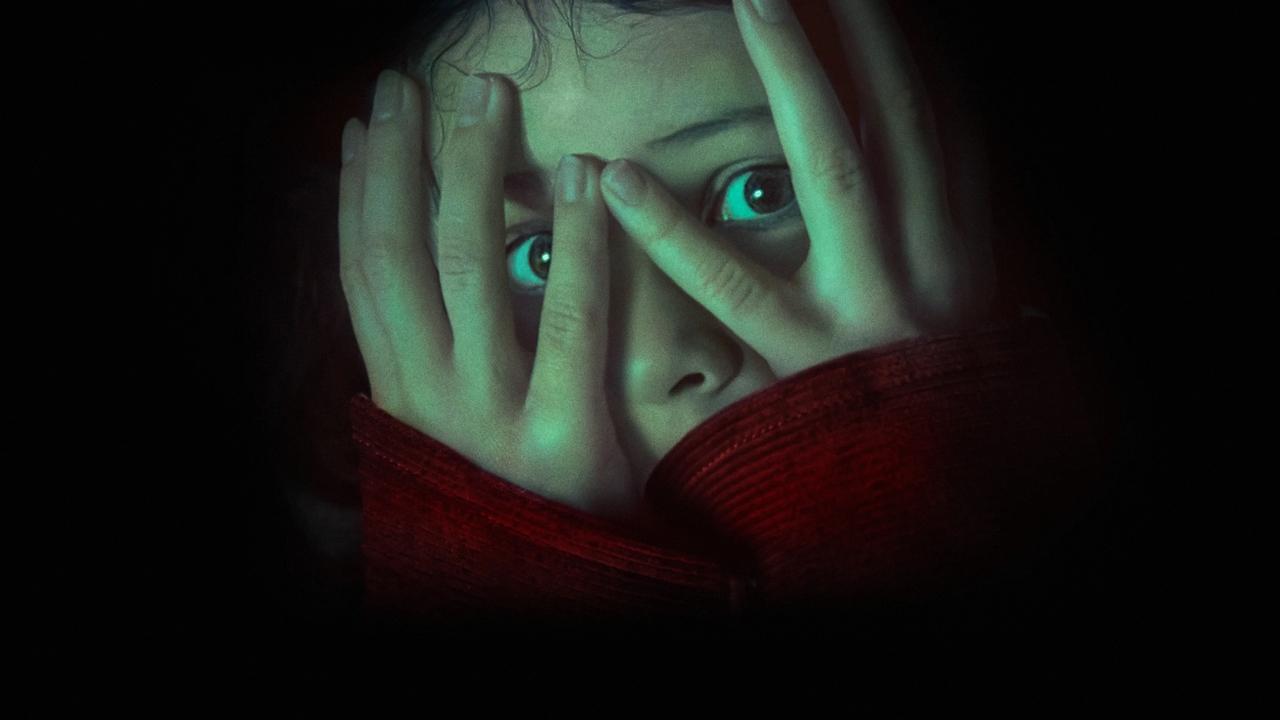
The cinematography by Stefan Duscio (who also shot Whannell’s Upgrade) uses the darkness of the Oregon woods to great effect. He treats the shadows like a character, making the farmhouse feel less like a sanctuary and more like a cage. The sound design is equally oppressive. Benjamin Wallfisch's score avoids the orchestral swells of old-school horror, opting instead for industrial, grinding textures that make your teeth ache.
Practicality in the Digital Age
One of the biggest talking points in the horror community leading up to this release was the creature design. In an era of "Seamless CGI" that often looks like wet plastic, Whannell leans heavily into the tactile. The makeup effects—designed to show a slow, agonizing metamorphosis—reminded me of why we fell in love with this genre in the first place. It’s messy, it’s gross, and it feels heavy.
Interestingly, this project was a bit of a revolving door during production. Ryan Gosling was originally set to star and even has an executive producer credit, but he eventually stepped away, leading to Christopher Abbott taking the lead. While I love Gosling, Abbott’s jittery, Everyman energy fits the "failing dad" vibe much better. The film also faced the challenge of the current "franchise fatigue" climate. With the "Dark Universe" dead and buried, Wolf Man had to stand on its own four paws without the crutch of a shared cinematic universe.
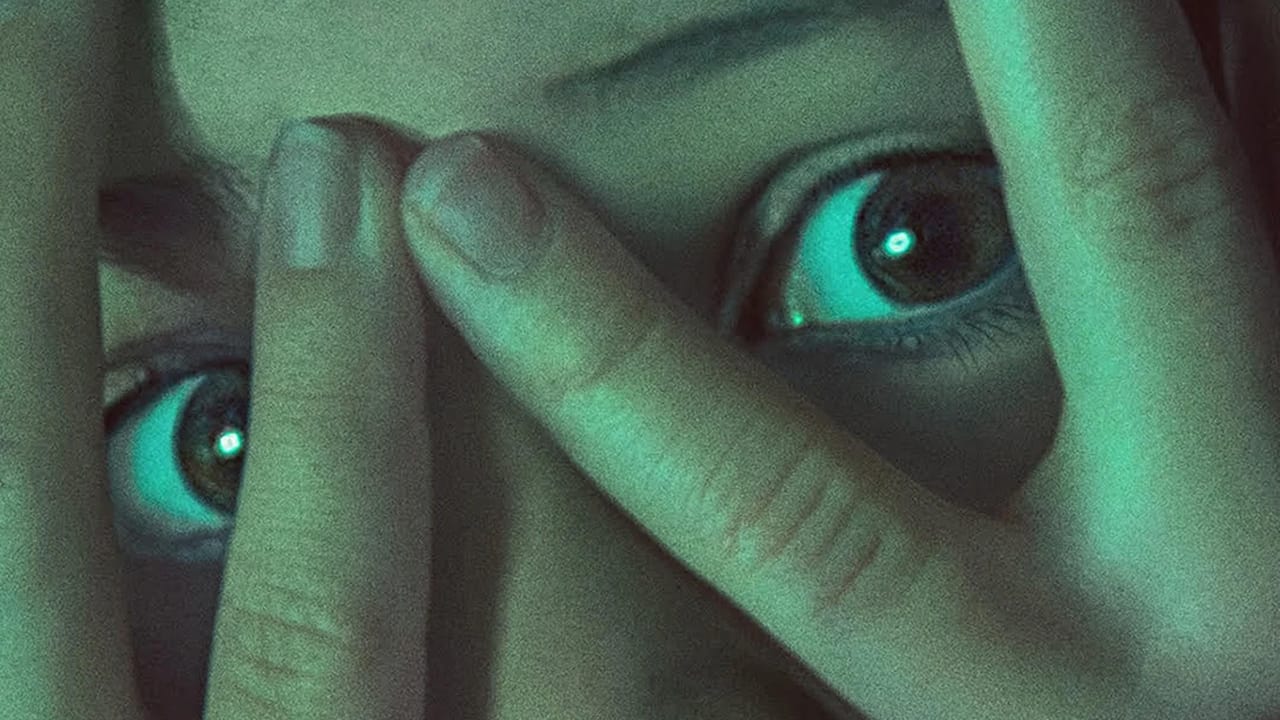
It didn't exactly set the world on fire at the box office, pulling in about $35 million against a $25 million budget. In the streaming era, those numbers are often used to label a film a "failure," but I think that’s a reductive way to look at mid-budget horror. This is a film that’s destined to find its real audience on a rainy Friday night on a streaming platform, where the intimacy of the small screen will actually enhance the claustrophobia.
The film does stumble slightly in its final act, where the "less is more" philosophy of the first hour gives way to a few genre clichés that feel a bit mandatory. There are moments where the pacing drags, particularly when the family is arguing over things we already understand. However, as a character study of a man losing his humanity, it’s genuinely unsettling. Whannell continues to prove that you don't need a massive budget to reinvent a legend; you just need a dark room, a few good actors, and a deep understanding of what actually scares us in 2025: the fear that the people we love are actually strangers.
Keep Exploring...
-
Insidious: Chapter 3
2015
-
The Invisible Man
2020
-

Brahms: The Boy II
2020
-
Color Out of Space
2020
-
Gretel & Hansel
2020
-
Willy's Wonderland
2021
-

Hellraiser
2022
-

The Invitation
2022
-

Watcher
2022
-

Abigail
2024
-

Immaculate
2024
-

MaXXXine
2024
-
Speak No Evil
2024
-
The Long Walk
2025
-

Insidious: The Last Key
2018
-

Synchronic
2020
-

The Lodge
2020
-
You Should Have Left
2020
-
Blood Red Sky
2021
-
Candyman
2021